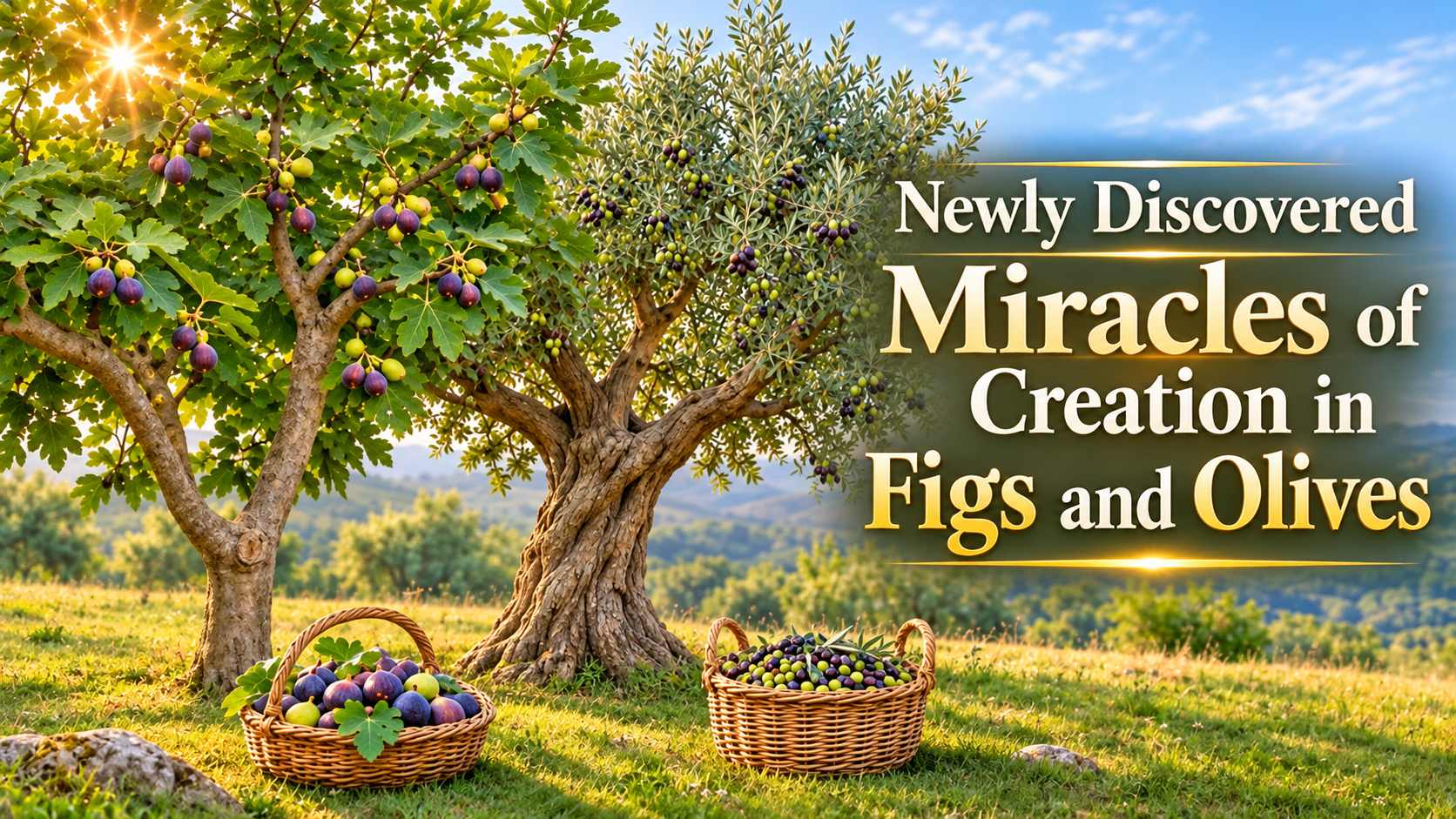
It is seen in the Qur'an that God swears by certain living things, plants, periods of time and natural phenomena. God's swearing by something is an important invitation that directs man to reflect on that being and discover the profound secrets of creation behind it. In the first verse of Surat at-Tin, God reveals as follows:
“By the fig and the olive.” (Surat at-Tin, 1)
The fig and the olive are ancient trees that have been known since the earliest periods of human history and whose fruit, oil, shade and wood have been utilized. For centuries, people have regarded these plants as sources of nourishment that adorn their tables or as commercial agricultural products. This limited perspective people have toward living things stems from the fact that they often measure their value by the benefits they provide. However, modern scientific research has revealed that these trees are not merely fruit-bearing plants, but assume far more comprehensive and awe-inspiring functions in the balance of nature and the carbon cycle.
In a comprehensive study published in 2025, it was determined that certain fig species growing in Kenya contribute to the storage of carbon dioxide from the atmosphere in the soil in mineral form. According to the details of the study, certain organic compounds produced by the tree throughout its life cycle interact with microorganisms in the soil and natural chemical processes, leading to the formation of highly durable mineral structures such as calcium carbonate—in other words, structures resembling natural stone.
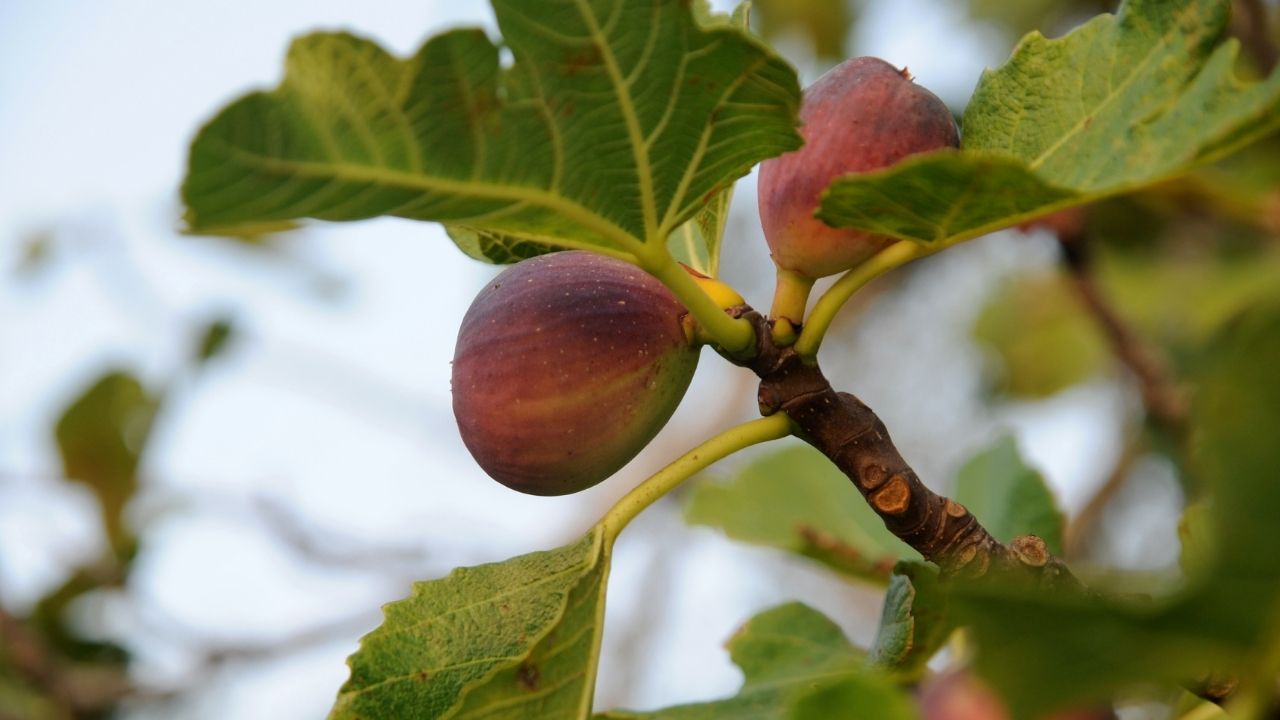
In other words, a portion of the carbon that exists freely in the atmosphere, disrupts the planet's heat balance as it accumulates and leads to the global climate crisis is stored underground by virtually turning into stone around the roots of these trees. Moreover, this remarkable process not only enables carbon to be drawn from the atmosphere and stored in mineral form, but also changes the chemical balance and mineral structure of the soil in which the tree grows. The presence of the fig tree contributes to the natural processes of the soil, supporting its vitality and biological functioning.
Today, mankind allocates budgets amounting to billions of dollars and attempts to construct complex, high-tech industrial facilities in order to capture excess carbon in the atmosphere, reduce atmospheric carbon dioxide and curb global warming. Yet a fig tree contributes to this carbon storage process by means of its root system, which operates silently beneath the soil, and its cooperation with invisible microorganisms. Moreover, unlike many technological systems developed by man, this natural process operates without requiring any additional energy input. Part of the carbon storage process that man seeks to carry out with advanced engineering facilities and at great cost has been placed in the creation, biological structure and root system of the fig tree.
The main point that needs to be emphasized and reflected upon here is that a living species which man has regarded for centuries as ‘a simple fruit tree’ and passed by without notice is an important part of the vast ecological order that sustains life on Earth. A tree takes carbon dioxide from the air and processes this gas through the biochemical processes within its own structure. It then interacts with microorganisms in the soil and contributes to the underground storage of carbon in mineral form. Although all these complex processes take place at every moment before man's eyes, they are only now being discovered by mankind through modern scientific and technological means. This shows that nothing in nature has been created unattended and without purpose; on the contrary, each interconnected element operates within a magnificent order of creation.
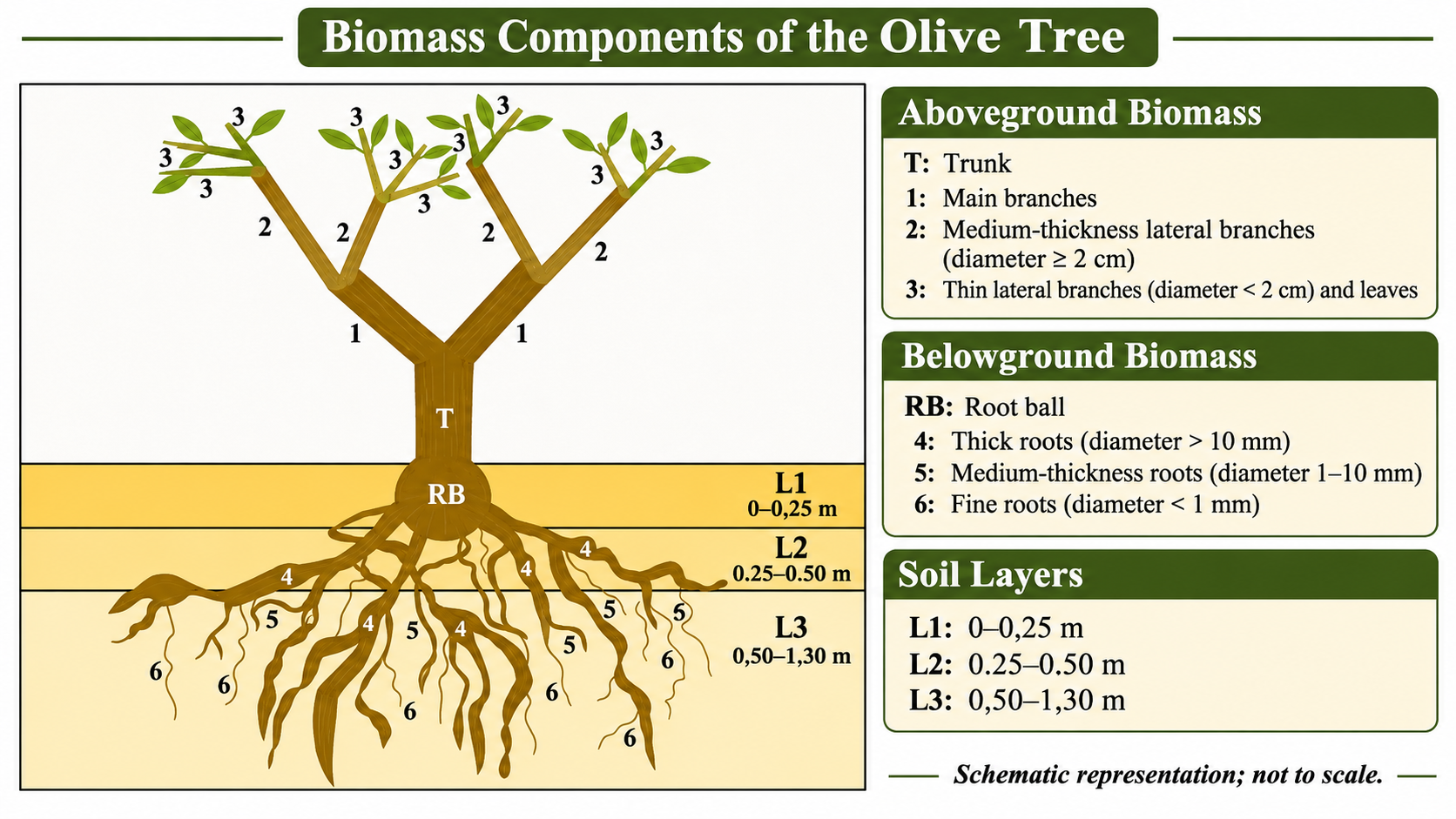
The remarkable features in the creation of the olive tree are also being revealed through scientific research. In a study published in 2026, it was determined that olive trees store significant amounts of carbon not only in their trunks and branches, but also in their roots. The study revealed that the soil in the olive groves examined was also the largest store of organic carbon. The fact that the olive tree, whose fruit and oil people have benefited from for centuries, also contributes to the storage of carbon in tree biomass and soil is a means for reflecting more deeply on the wisdom in its creation.
God's swearing by the fig and the olive in the Qur'an leads man to profound reflection in this respect. Beyond the benefits that fig and olive trees offer people, such as fruit, oil, shade and wood, they also have duties in the functioning of nature. While the chemical processes taking place in the roots of the fig tree contribute to the storage of atmospheric carbon in the soil in mineral form, the olive tree also assumes important functions in preserving the ecological balance and supporting the structure of the soil. The details that emerge in the unseen aspects of these trees reveal the profound knowledge and artistry in their creation. A person who heeds the warning in the Qur'an and examines these trees with an eye of wisdom begins to see the flawless creation operating in each one.
At every point when man thinks he has fully understood nature and the beings around him, he encounters new depths in them that have yet to be discovered. The delicate processes taking place in the chemistry of a fruit and in the roots of a tree reveal how comprehensive the knowledge, artistry and wisdom in God's creation are. This flawless order shows that all beings in nature have been created by God for a specific purpose and with wisdom, and that each one assumes meaningful duties within the integrity of creation.
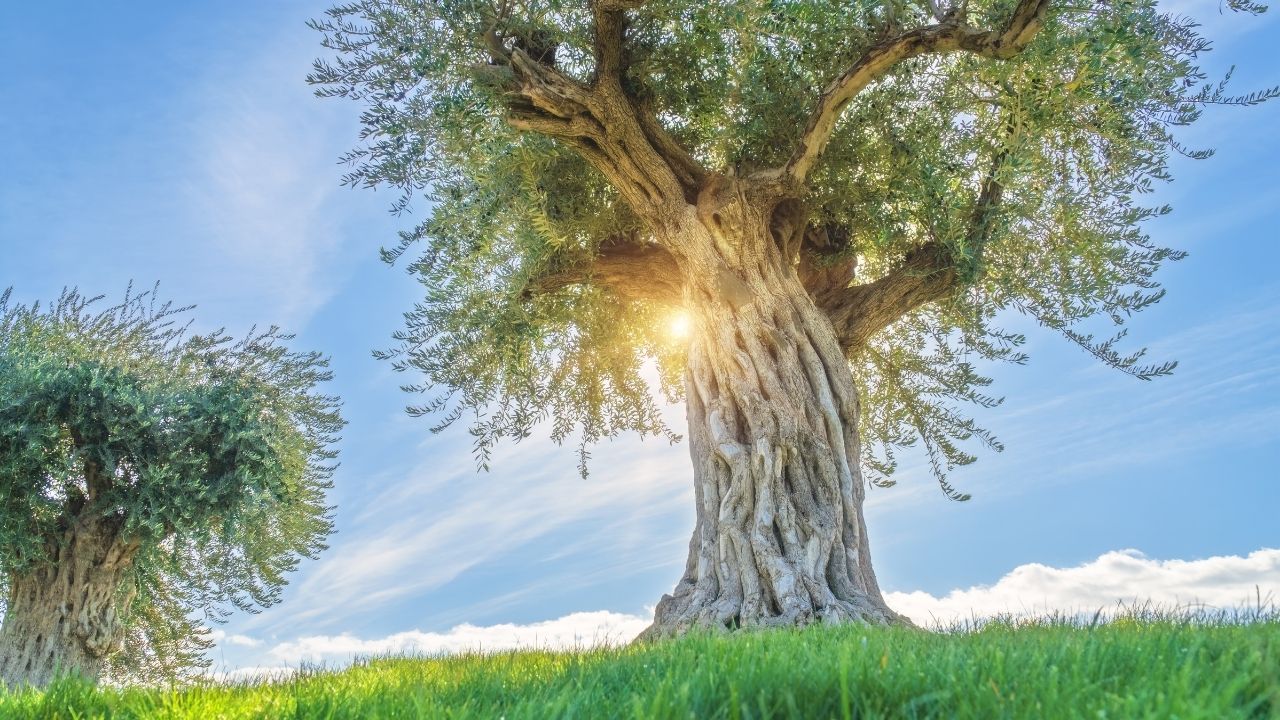
The oath God swears by the fig and the olive in Surat at-Tin calls man not only to taste the flavor of these blessings, but also to comprehend the flawless order in the creation of fig and olive trees, the ecological harmony in nature and the profound meaning they bear. In addition to being valuable blessings that nourish man, the fig and the olive are miraculous signs that perform duties which man has only just begun to discover within the great order God has established on Earth, and that reveal God's artistry of creation, power and might.