




Embed
03:47 Videos
34:37 Videos
34:14 Videos
01:04 Videos
00:53 Videos
04:58 Videos
31:51 Videos
36:05 Videos
49:37 Videos
27:04 Videos
00:50 Videos
24:53 Videos
44:58 Videos
34:12 Videos
04:10 Videos
01:50 Videos
30:02 Videos
26:09 Videos
03:28 Videos
04:33 Videos
31:15 Videos
05:41 Videos
12:28 Videos
01:35 Videos
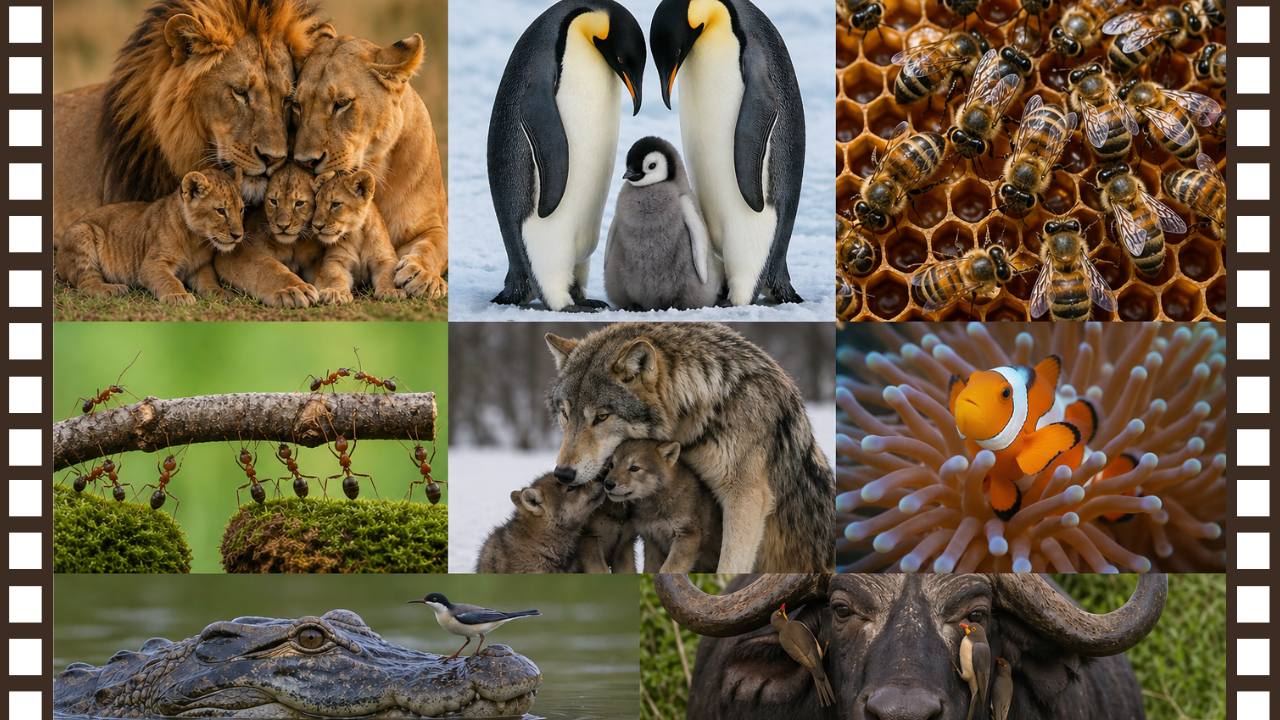
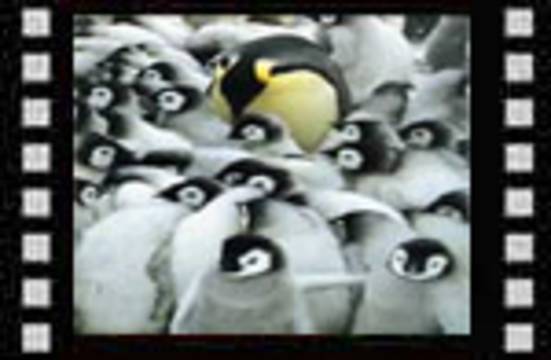
This video examines the extraordinary altruism, maternal love, and self-sacrifice observed in various species, ranging from penguins and crocodiles to dolphins and storks. It highlights how these protective behaviors are not the result of blind chance or struggle, but are inspired by Allah as part of His flawless art of creation. By showcasing these acts of devotion, the video refutes the materialist notion that nature is solely defined by a pitiless struggle for survival.
- Animal parents demonstrate immense self-sacrifice to protect and nurture their offspring, often risking their own lives.
- The widespread existence of altruism and protection in nature refutes the materialist claim of a ruthless, indifferent struggle for survival.
- Every instinct and display of maternal affection is inspired by Allah, demonstrating His sovereignty over all living things.
What evidence from the animal kingdom refutes the idea that nature is defined by a ruthless struggle for survival? +
The pervasive existence of altruism and intense parental protection, where animals sacrifice their own comfort and safety for their young, contradicts the theory of a pitiless struggle for survival. These behaviors demonstrate that cooperation and devotion are fundamental aspects of life, pointing to an intelligent design rather than blind chance.
How do animal behaviors demonstrate Allah's art of creation? +
The complex, protective, and selfless behaviors seen in animals, such as a crocodile's gentle handling of its young or a penguin's long-term fasting for its chick, show purposeful design. These creatures behave exactly as decreed by their Creator, revealing that their instincts are divinely inspired to ensure the survival and well-being of the next generation.
Why is maternal love in animals a challenge for materialist ideology? +
Materialist ideology struggles to explain maternal love through blind mechanisms or chance, as it offers no survival benefit to the parent who often undergoes significant hardship. Because these behaviors reflect deep affection and conscience, they defy the materialist view of life as a series of mindless accidents and indicate a higher, spiritual origin.
What is the significance of the protective behavior exhibited by the Nile crocodile? +
Despite being a fierce predator, the crocodile exhibits extreme sensitivity and care when carrying its hatchlings in its powerful jaws. This behavior demonstrates that these creatures are endowed by Allah with specific, loving instincts that override their natural predatory nature when it comes to the safety of their offspring.
Summary
This video examines the extraordinary altruism, maternal love, and self-sacrifice observed in various species, ranging from penguins and crocodiles to dolphins and storks. It highlights how these protective behaviors are not the result of blind chance or struggle, but are inspired by Allah as part of His flawless art of creation. By showcasing these acts of devotion, the video refutes the materialist notion that nature is solely defined by a pitiless struggle for survival.
Key Takeaways
- Animal parents demonstrate immense self-sacrifice to protect and nurture their offspring, often risking their own lives.
- The widespread existence of altruism and protection in nature refutes the materialist claim of a ruthless, indifferent struggle for survival.
- Every instinct and display of maternal affection is inspired by Allah, demonstrating His sovereignty over all living things.
Frequently Asked Questions
What evidence from the animal kingdom refutes the idea that nature is defined by a ruthless struggle for survival?
The pervasive existence of altruism and intense parental protection, where animals sacrifice their own comfort and safety for their young, contradicts the theory of a pitiless struggle for survival. These behaviors demonstrate that cooperation and devotion are fundamental aspects of life, pointing to an intelligent design rather than blind chance.
How do animal behaviors demonstrate Allah's art of creation?
The complex, protective, and selfless behaviors seen in animals, such as a crocodile's gentle handling of its young or a penguin's long-term fasting for its chick, show purposeful design. These creatures behave exactly as decreed by their Creator, revealing that their instincts are divinely inspired to ensure the survival and well-being of the next generation.
Why is maternal love in animals a challenge for materialist ideology?
Materialist ideology struggles to explain maternal love through blind mechanisms or chance, as it offers no survival benefit to the parent who often undergoes significant hardship. Because these behaviors reflect deep affection and conscience, they defy the materialist view of life as a series of mindless accidents and indicate a higher, spiritual origin.
What is the significance of the protective behavior exhibited by the Nile crocodile?
Despite being a fierce predator, the crocodile exhibits extreme sensitivity and care when carrying its hatchlings in its powerful jaws. This behavior demonstrates that these creatures are endowed by Allah with specific, loving instincts that override their natural predatory nature when it comes to the safety of their offspring.