Mr. Adnan Oktar's August 2016 Media Publications
35685






 04:32 Videos
 05:40 Videos
 05:21 Videos
 05:26 Videos
 05:24 Videos
 05:41 Videos
 05:06 Videos
 05:13 Videos
 06:28 Videos
 03:00 Videos
 07:15 Videos
 HD 06:30 Videos
 HD 06:13 Videos
 07:25 Videos
 HD 06:20 Videos
 HD 05:23 Videos
 HD 05:01 Videos
 06:32 Videos
 05:39 Videos
 HD 01:35 Videos
 08:35 Videos
 06:26 Videos
 HD 01:53 Videos
 03:00 Videos
 00:42 Videos
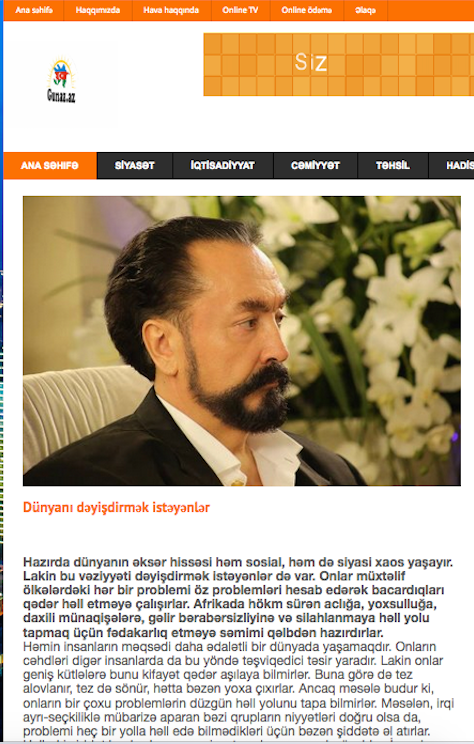
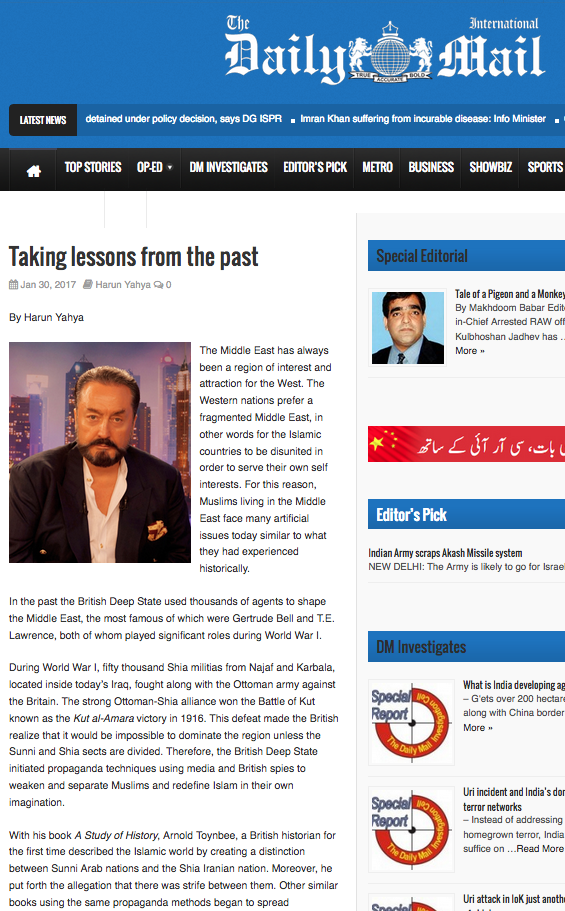
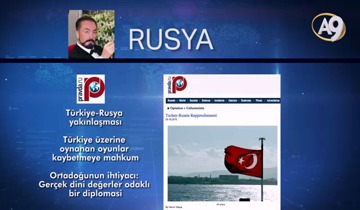
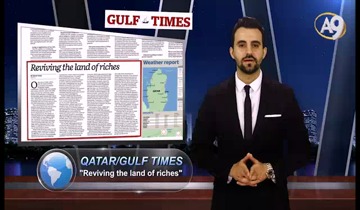
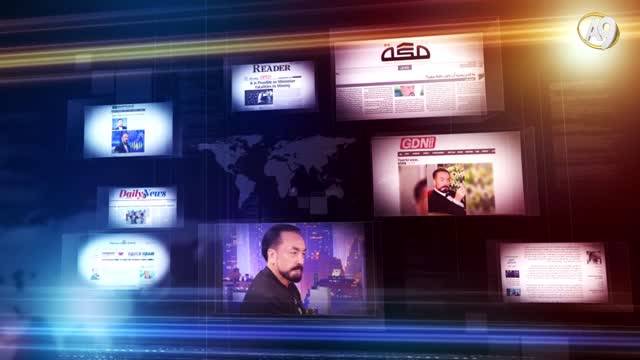
This video reviews a series of articles written by Adnan Oktar that were published across various international media outlets in August 2016. These publications reach a diverse global audience, addressing political developments, social challenges, and faith-based perspectives on current events. The video highlights how these contributions promote intellectual discourse and provide insights into contemporary world issues from an Islamic worldview.
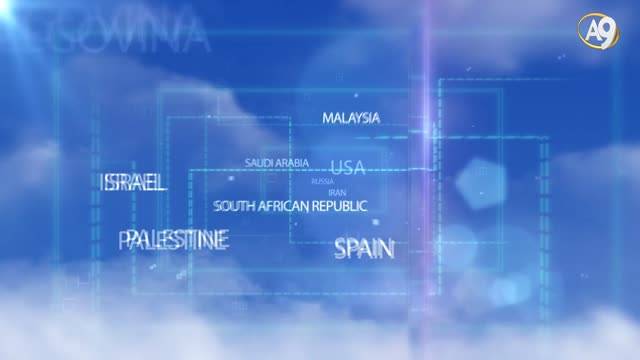
The publications spanned a diverse range of international media outlets across several countries, including Russia, the USA, Iran, Saudi Arabia, and Malaysia. These articles addressed critical political, social, and faith-related topics, reaching millions of readers worldwide to provide an Islamic perspective on global events.
The articles identify the Qur'an as the sole remedy for radicalism. They advocate for cultural and religious diplomacy as essential tools to overcome extremism and prevent the clash of civilizations, promoting peace and understanding through faith-based values.
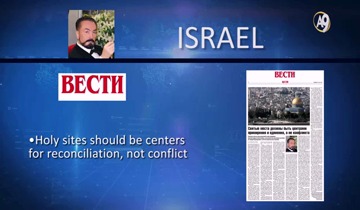
The articles seek to eliminate irrational prejudice and enmity, such as the myths used to stir hatred against Jews in the Muslim world. By referencing Islamic perspectives, the work promotes a more objective understanding of history and human rights, aiming to foster common ground among the Abrahamic faiths.
This video reviews a series of articles written by Adnan Oktar that were published across various international media outlets in August 2016. These publications reach a diverse global audience, addressing political developments, social challenges, and faith-based perspectives on current events. The video highlights how these contributions promote intellectual discourse and provide insights into contemporary world issues from an Islamic worldview.
The publications spanned a diverse range of international media outlets across several countries, including Russia, the USA, Iran, Saudi Arabia, and Malaysia. These articles addressed critical political, social, and faith-related topics, reaching millions of readers worldwide to provide an Islamic perspective on global events.
The articles identify the Qur'an as the sole remedy for radicalism. They advocate for cultural and religious diplomacy as essential tools to overcome extremism and prevent the clash of civilizations, promoting peace and understanding through faith-based values.
The articles seek to eliminate irrational prejudice and enmity, such as the myths used to stir hatred against Jews in the Muslim world. By referencing Islamic perspectives, the work promotes a more objective understanding of history and human rights, aiming to foster common ground among the Abrahamic faiths.

Install the app
Tap the share button , then select "Add to Home Screen".