
From "The names of Allah 1" documentary.
The names of Allah: Al-Quddus (The Holy)
857
From "The names of Allah 1" documentary.






 01:58 Videos
 01:15 Videos
 03:03 Videos
 01:56 Videos
 02:59 Videos
 01:40 Videos
 01:11 Videos
 01:29 Videos
 01:19 Videos
 01:24 Videos
 02:20 Videos
 02:10 Videos
 02:09 Videos
 01:26 Videos
 01:55 Videos
 01:25 Videos
 01:32 Videos
01:56 Videos
03:38 Videos
01:50 Videos
02:21 Videos
06:29 Videos
01:59 Videos
03:52 Videos
02:23 Videos
01:32 Videos
01:56 Videos
03:38 Videos
01:50 Videos
02:21 Videos
06:29 Videos
01:59 Videos
03:52 Videos
02:23 Videos
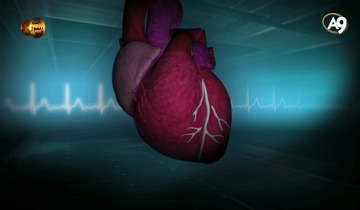
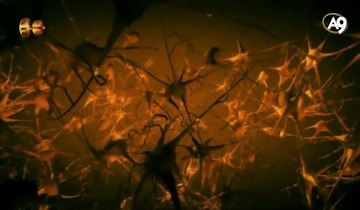
This video explores the name Al-Quddus, meaning The Holy, highlighting Allah's absolute perfection and dominion over all that exists in the heavens and the earth. It emphasizes that while human beings are inherently weak, prone to mistakes, and physically dependent, Allah remains free from all imperfections. By contemplating this divine attribute, one gains a deeper understanding of Allah's artistry in creation and His total sovereignty over the universe.
Al-Quddus, meaning The Holy, signifies that Allah is exalted above all forms of imperfection, flaw, or limitation. It emphasizes His supreme purity and total freedom from the weaknesses that characterize created beings.
Human beings are fundamentally weak, subject to forgetfulness, deception, and physical fragility. Unlike the Creator, humans require constant maintenance, sleep, and sustenance just to function, serving as a reminder of their inherent limitations.
The universe remains in existence only because Allah sustains it. According to the Quran, if Allah did not hold the heavens and the earth, they would cease to exist, illustrating that He is the sole maintainer of all things.
The physical needs and inevitable decline of the human body are signs created for mankind to contemplate. Recognizing these weaknesses helps a person appreciate the perfection of Allah and the reality of their own servitude to Him.
This video explores the name Al-Quddus, meaning The Holy, highlighting Allah's absolute perfection and dominion over all that exists in the heavens and the earth. It emphasizes that while human beings are inherently weak, prone to mistakes, and physically dependent, Allah remains free from all imperfections. By contemplating this divine attribute, one gains a deeper understanding of Allah's artistry in creation and His total sovereignty over the universe.
Al-Quddus, meaning The Holy, signifies that Allah is exalted above all forms of imperfection, flaw, or limitation. It emphasizes His supreme purity and total freedom from the weaknesses that characterize created beings.
Human beings are fundamentally weak, subject to forgetfulness, deception, and physical fragility. Unlike the Creator, humans require constant maintenance, sleep, and sustenance just to function, serving as a reminder of their inherent limitations.
The universe remains in existence only because Allah sustains it. According to the Quran, if Allah did not hold the heavens and the earth, they would cease to exist, illustrating that He is the sole maintainer of all things.
The physical needs and inevitable decline of the human body are signs created for mankind to contemplate. Recognizing these weaknesses helps a person appreciate the perfection of Allah and the reality of their own servitude to Him.
Install the app
Tap the share button , then select "Add to Home Screen".