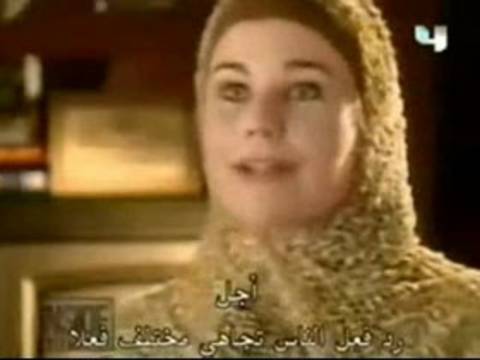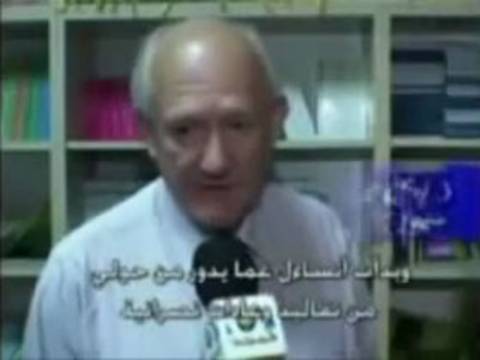


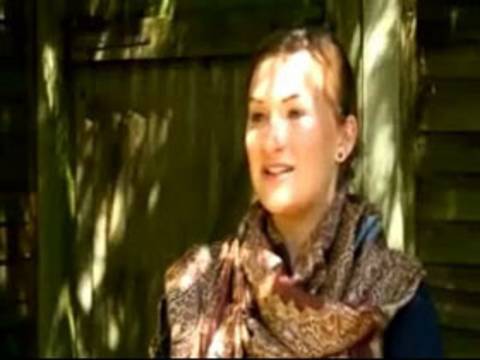

A female British diplomat describes how she became a Muslim after meetings held with leading Islamic thinkers at the British Embassy in Cairo and how happy she is now.
Embed
05:37 Videos
41:38 Videos
03:59 Videos
02:19 Videos
03:00 Videos
04:11 Videos
04:13 Videos
03:22 Videos
01:50 Videos
20:13 Videos
HD 01:17 Videos
HD 08:34 Videos
41:15 Videos
02:22 Videos
00:52 Videos
09:28 Videos
03:39 Videos
00:50 Videos
03:13 Videos
10:49 Videos
02:05 Videos
02:40 Videos
02:57 Videos
01:35 Videos
05:00 Videos
In this video, a British diplomat recounts her decision to embrace Islam after engaging with scholars and thinkers in Cairo. She describes her personal journey and challenges the stereotypes surrounding the faith, emphasizing that Islam is a universal religion that transcends specific cultures, faces, or uniforms.
- A British diplomat shares her personal experience of converting to Islam three years ago.
- Meetings with Islamic scholars in Cairo provided deeper insights into her faith journey.
- The video highlights that Islam is a universal belief system that is not defined by any specific ethnic background or uniform.
What inspired the British diplomat's reflection on her faith during her visit to Cairo? +
Her visit to Cairo, which involved meetings with esteemed Islamic thinkers and authors, provided a unique environment to discuss issues surrounding Muslims in the UK and deepen her personal understanding of her own faith journey.
How does the diplomat describe the universality of Islam? +
She emphasizes that Islam does not have a specific face or uniform, challenging the notion that the religion is limited to a particular culture or demographic.
Why does the diplomat's personal background matter in the context of her faith? +
As a white, indigenous British person, her conversion serves to demonstrate to those outside the UK that Islam is an inclusive religion that can be embraced by anyone, regardless of their background.
What is the primary message regarding the identity of a Muslim? +
The message is that being a Muslim is fundamentally about faith, and it does not require adopting a specific cultural uniform or ethnic appearance.
Summary
In this video, a British diplomat recounts her decision to embrace Islam after engaging with scholars and thinkers in Cairo. She describes her personal journey and challenges the stereotypes surrounding the faith, emphasizing that Islam is a universal religion that transcends specific cultures, faces, or uniforms.
Key Takeaways
- A British diplomat shares her personal experience of converting to Islam three years ago.
- Meetings with Islamic scholars in Cairo provided deeper insights into her faith journey.
- The video highlights that Islam is a universal belief system that is not defined by any specific ethnic background or uniform.
Frequently Asked Questions
What inspired the British diplomat's reflection on her faith during her visit to Cairo?
Her visit to Cairo, which involved meetings with esteemed Islamic thinkers and authors, provided a unique environment to discuss issues surrounding Muslims in the UK and deepen her personal understanding of her own faith journey.
How does the diplomat describe the universality of Islam?
She emphasizes that Islam does not have a specific face or uniform, challenging the notion that the religion is limited to a particular culture or demographic.
Why does the diplomat's personal background matter in the context of her faith?
As a white, indigenous British person, her conversion serves to demonstrate to those outside the UK that Islam is an inclusive religion that can be embraced by anyone, regardless of their background.
What is the primary message regarding the identity of a Muslim?
The message is that being a Muslim is fundamentally about faith, and it does not require adopting a specific cultural uniform or ethnic appearance.