Throughout history, the prophets who conveyed the true religion and the believers who followed their path have faced various obstacles, slanders, and forms of oppression. As stated in the Qur’an, behind these obstacles generally lie the arrogance of leaders who fear losing their political power, economic privileges, and social status quo in the face of the understanding of justice and morality brought by the Qur’an, as well as the bigotry of societies that refuse to use their reason and insist on following the path of their forefathers without questioning it. By relating in detail in the Qur’an what befell past peoples and the plots set against the believers, God informs that these events constitute a trial that is repeated for believers in every age.
The Pharaoh figures who lived during the periods of the prophets are among the most striking examples in the Qur’an representing the psychology, patterns of behavior, and methods employed by those who oppose the true religion. In his person, the common characteristics of those who seek to obstruct the way of God, the methods they employ, and the ultimate outcome of such systems are set forth before our eyes.
In this article, in the light of the verses of the Qur’an, the characteristic features of Pharaoh and the manner in which these features have been repeated throughout history in the obstacles established against the true religion are examined in detail. At the same time, how the believers should demonstrate patience and steadfastness in the face of such obstacles is also explained through examples from the Qur’an.
God informs in Surat at-Tawba, verse 9, that there will be those who, in their own way, seek to hinder the spread of the true religion conveyed through preaching: “They have sold God’s Signs for a paltry price, and they have barred access to His Way. What they have done is truly evil.” The emphasis in the verse on “for a paltry price” is important in that it demonstrates that those who pursue obstruction are the ones seeking personal benefit. How those who convey the religion of God should conduct themselves in the face of obstacles and slanders is also conveyed in the verse: “... before you were also denied but they were steadfast in the face of the denial and injury they suffered until Our help arrived” (Surat al-An‘am, 34).
In addition to explaining in the verses of the Qur’an that the trials of the believers throughout history have been similar, it is also conveyed that those who obstruct them and show hostility toward them possess similar characteristics with the Pharaoh:
“As was the case with the people of Pharaoh and those before them. They denied Our Signs, so God seized them for their wrong actions. God is fierce in retribution.” (Surah Al ‘Imran, 11)
Although the Pharaoh mentioned in the above verse is a distinct individual, through the behaviors, manner of speech, and attitude described in the verses of the Qur’an, he defines the general character of those who show hostility toward the believers. The characteristic features of Pharaoh as conveyed in the Qur’an are as follows:
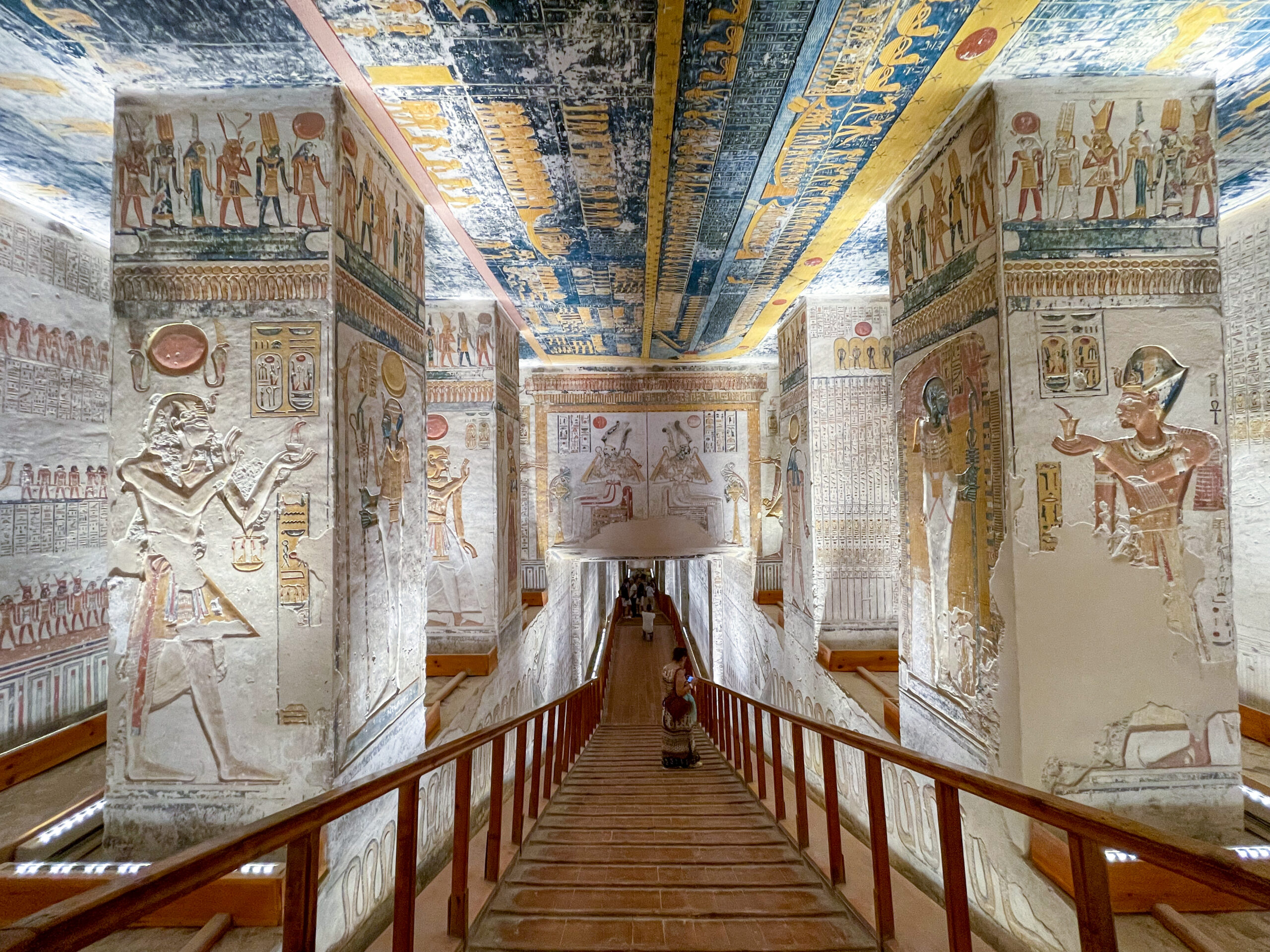
His Oppression of the Believers
“Remember when We rescued you from Pharaoh’s people who were inflicting an evil punishment on you, killing your sons and letting your women live. In that there was a terrible trial from your Lord.” (Surat al-Araf, 141)
Fear of Losing Position and Obstinacy
“They said, ‘Have you come to us to turn us from what we found our fathers doing, and to gain greatness in the land? We do not believe you.’” (Surah Yunus, 78)
His Arrogance and Tyranny
“To Pharaoh and his ruling circle. But they were proud and were a haughty people.” (Surat al-Muminun, 46)
His Being Arrogant, Divisive, and Oppressive
“Pharaoh exalted himself arrogantly in the land and divided its people into camps, oppressing one group of them by slaughtering their sons and letting their women live. He was one of the corrupters.” (Surat al-Qasas, 4)
Being Prejudiced and Closed-Minded
“Pharaoh said, ‘Who then is your Lord, Moses?’
He said, ‘Our Lord is He Who gives each thing its created form and then guides it.’
He said, ‘What about the previous generations?’
He said, ‘Knowledge of them is with my Lord in a Book. My Lord does not misplace nor does He forget.”
(Surah Ta Ha, 49-52)
His Denial, Accusation, and Contempt
"But when Moses brought them Our Clear Signs they said, 'This is nothing but trumped-up magic. We never heard anything like this among our earlier forefathers.'" (Surat al-Qasas, 36)
His Accusation of the Believers of Insanity and His Threatening Them with Imprisonment
“He said, ‘This Messenger, who has been sent to you, is mad.’
He said, ‘The Lord of the East and the West and everything between them if you used your intellect.’
He said, ‘If you take any god other than me, I will certainly throw you into prison.”
(Surat ash-Shuara, 27-29)
His Creating Public Opinion with Baseless Accusations
“He said, ‘Have you come to us to expel us from our land by means of your magic, Moses?” (Surah Ta Ha, 57)
His Oppression of Those Who Did Not Support His Tyranny
“The magicians threw themselves down in prostration.
They said, ‘We have faith in the Lord of all the worlds, the Lord of Moses and Aaron.’
Pharaoh said, ‘Have you had faith in him before I authorized you to do so? This is just some plot you have concocted in the city to drive its people from it.
I will cut off your alternate hands and feet and then I will crucify every one of you.’” (Surat al-Araf, 120-124)
The Encirclement of His Country with Disasters and Calamities Because of His Actions
“So We sent down on them floods, locusts, lice, frogs and blood, Signs, clear and distinct, but they proved arrogant and were an evildoing people.” (Surat al-Araf, 133)
The Destruction of Pharaoh at the Peak of His Oppression
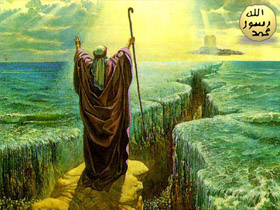
Pharaoh, for many years, was unable to make the Prophet Moses (pbuh) abandon his mission, nor was he able to prevent him from calling people to the true religion. Despite the clear evidences presented, his persistence in denial caused the hatred and anger within him to grow even further. In particular, when he learned that the Prophet Moses (pbuh) and the believers with him had migrated, he regarded this as a major challenge against his own authority and thought that by completely destroying them, the struggle would come to an end. For this purpose, he used all his power and his army and set out in pursuit of them, believing that he would prevail through this method. However, there is an important truth that Pharaoh failed to realize; while he thought he was setting a trap for others, God, when He wills, causes him to fall into the very system he has established. Indeed, Pharaoh was also, due to his arrogance, oppression, and blinded rage, being drawn toward the end prepared for him by God. This event is reported in detail in the Qur’an as follows:
“Pharaoh sent marshals into the cities:
‘These people are a small group and we find them irritating and we constitute a vigilant majority.’
We expelled them from gardens and springs, from treasures and a splendid situation.
So it was! And We bequeathed them to the tribe of Israel. So they pursued them towards the East. And when the two hosts came into sight of one another Moses’s companions said, ‘We will surely be overtaken!” (Surat ash-Shuara, 53-61)
“We brought the tribe of Israel across the sea and Pharaoh and his troops pursued them out of tyranny and enmity. Then, when he was on the point of drowning, he said, ‘I believe that there is no god but Him in Whom the tribe of Israel believe. I am one of the Muslims.’ ‘What, now! When previously you rebelled and were one of the corrupters?’" (Surah Yunus, 90-91)
The Character and Story of Pharaoh Is Not Merely an Event Belonging to the Past
The life of Pharaoh and the plots that he schemed are not merely the story of a tyrannical ruler who lived in history. These events narrated in the Qur’an demonstrate how a human being can become blinded by arrogance, and how power and position can turn a person into a tyrant. Pharaoh thought that the authority he possessed would save him; he believed that he could prevent the truth by intimidating people, silencing them through oppression, and using deceptive methods. However, in the end, it became clear that no matter how powerful a human being may appear, he is helpless before the will of God and incapable in the face of the subtle plan prepared for him by God.
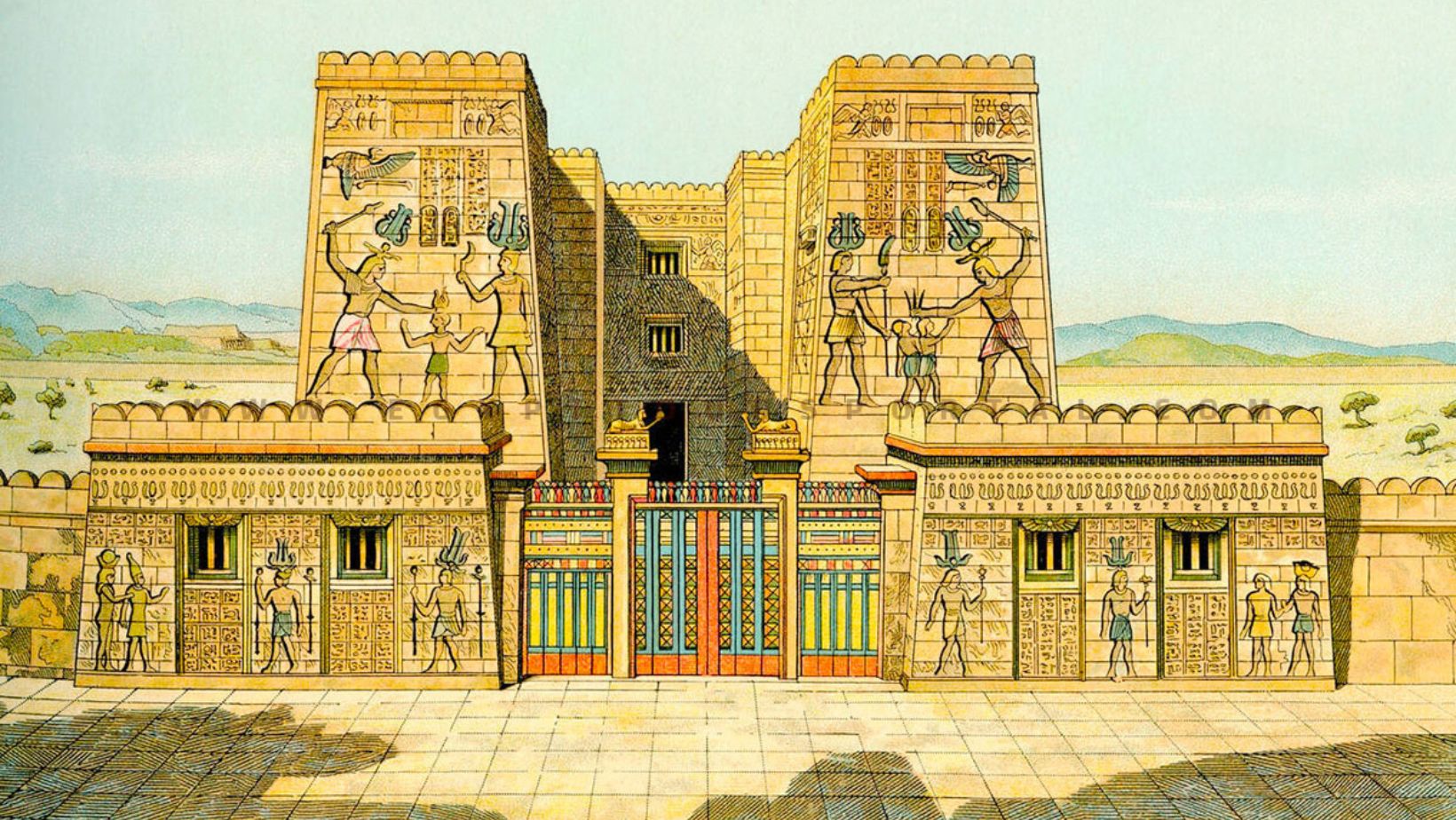
One of the most notable aspects of Pharaoh is that, despite being shown clear evidences repeatedly, he did not accept the truth. For the issue was not a lack of knowledge, but arrogance. Pharaoh, although he saw the truth, did not wish to accept it. Today as well, some people continue to maintain the same attitude. Those who ignore the truth because their interests would be harmed, those who oppress the believers, and those who, even though they claim to act in the name of God, distance people from the path of God through their oppression and arrogance, have existed in every period.
On the other hand, it is clear that the scheme devised by Pharaoh appeared powerful at first glance. He had armies, treasures, palaces, and people under his command. In contrast, alongside the Prophet Moses (pbuh) there was a small group in number and with little power. However, as was also seen in Pharaoh’s end being destruction, what is decisive is not numbers, power, or position, but the help of God. At the moment when they were left helpless at the shore of the sea, God made a way for the believers, whereas Pharaoh was led to destruction together with the very forces he trusted the most.
Pharaoh’s declaration of belief while drowning is also a powerful lesson. Throughout his life, he had denied the truth, oppressed people, and tried to present himself as a deity; yet when he came face to face with death, he was forced to accept the truth. However, the declaration of faith made at that moment did not benefit him. For what is important is not words uttered out of necessity, in fear and terror, at the moment of confronting death, but sincere submission to God.
Another wisdom contained in this narrative is that it advises believers to show patience during times of hardship. For God informs that the prophets and the believers have often faced severe oppression, been disbelieved, and suffered persecution. Nevertheless, despite all this, they remained patient, trusted in God, and did not compromise from the true path. The verse stated in the Qur’an, “… before you were also denied but they were steadfast in the face of the denial and injury they suffered until Our help arrived” (Surat al-An‘am, 34), shows that the difficulties faced by believers in their struggle are a test. When God wills, He can overturn the greatest schemes in an instant and disperse the most powerful-seeming systems in an unexpected way. Therefore, what a believer must do is not to fall into despair, but to maintain patience, steadfastness, and reliance upon God.
In conclusion; the character of Pharaoh described in the Qur’an does not only represent a ruler who lived in the past, but rather represents an understanding that becomes arrogant against the truth, relies on its own power, and seeks to distance people from the path of God. The struggle of the Prophet Moses (pbuh), on the other hand, demonstrates the determination, patience, and trust in God of the believers. The unchanging truth throughout history is this: no matter how great deceptive systems may appear, in the end, what always prevails is the promise of God and the truth.


























.jpg)