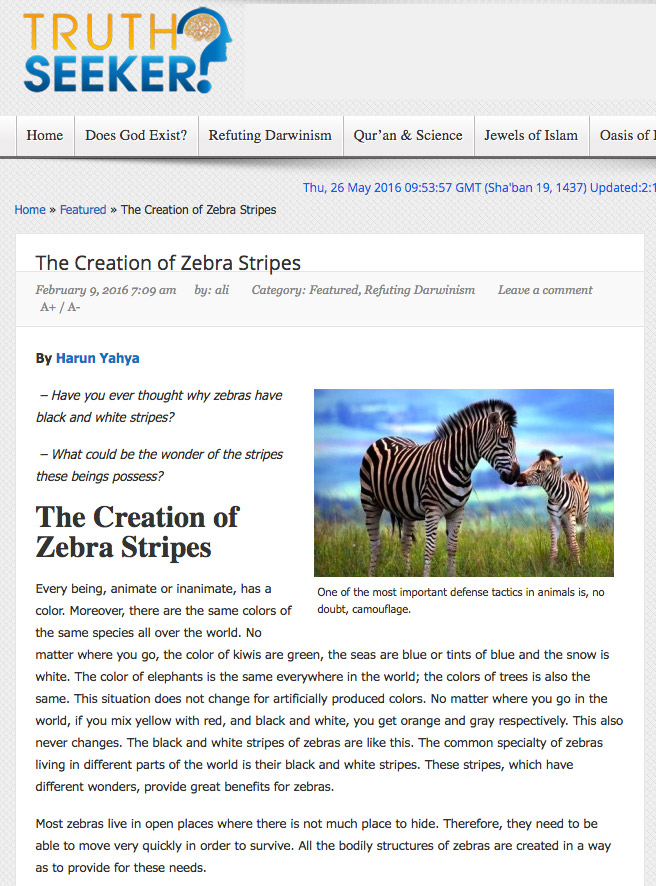
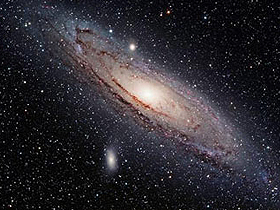
From "The Order of The Heavens" documentary.
The Big Bang's Victory Against Materialism
1988
From "The Order of The Heavens" documentary.






 03:06 Videos
 06:43 Videos
 02:28 Videos
 06:12 Videos
 03:50 Videos
 03:25 Videos
 08:22 Videos
 07:54 Videos
 06:12 Videos
 07:52 Videos
 05:11 Videos
 03:04 Videos
 04:31 Videos
 04:06 Videos
 37:54 Videos
 03:46 Videos
 01:14 Videos
 00:40 Videos
 03:43 Videos
 08:52 Videos
 01:25 Videos
 01:08 Videos
 03:43 Videos
 01:40 Videos
 01:17 Videos
This video explores how the Big Bang theory provides definitive scientific evidence that the universe has a beginning and was created by Allah out of nothingness. By analyzing cosmic background radiation and other astrophysical data, the video highlights the collapse of materialist theories that once claimed the universe was eternal. It emphasizes how scientific discoveries consistently point to a transcendent Creator who governs all existence.
The Big Bang provides scientific evidence that the universe had a definitive beginning, thereby falsifying the materialist claim that matter is eternal. It demonstrates that the universe was created by Allah out of nothingness, shifting the paradigm of modern cosmology.
Cosmic background radiation is a uniform remnant of radiation found throughout space, acting as an echo of the universe's initial formation. Its even distribution and discovery confirm the occurrence of a singular, explosive beginning to the universe.
Because both matter and time were proven to have a specific starting point, the cause of the universe must be an entity that operates independently of and beyond these physical dimensions. This implies the existence of a transcendent Creator who is not bound by the rules of the cosmos.
Many scientists resisted the Big Bang because the implication of an abrupt beginning to the universe contradicted their ideological prejudices. They often preferred theories like the steady state model, which allowed them to maintain the belief in an eternal, self-existing universe.
This video explores how the Big Bang theory provides definitive scientific evidence that the universe has a beginning and was created by Allah out of nothingness. By analyzing cosmic background radiation and other astrophysical data, the video highlights the collapse of materialist theories that once claimed the universe was eternal. It emphasizes how scientific discoveries consistently point to a transcendent Creator who governs all existence.
The Big Bang provides scientific evidence that the universe had a definitive beginning, thereby falsifying the materialist claim that matter is eternal. It demonstrates that the universe was created by Allah out of nothingness, shifting the paradigm of modern cosmology.
Cosmic background radiation is a uniform remnant of radiation found throughout space, acting as an echo of the universe's initial formation. Its even distribution and discovery confirm the occurrence of a singular, explosive beginning to the universe.
Because both matter and time were proven to have a specific starting point, the cause of the universe must be an entity that operates independently of and beyond these physical dimensions. This implies the existence of a transcendent Creator who is not bound by the rules of the cosmos.
Many scientists resisted the Big Bang because the implication of an abrupt beginning to the universe contradicted their ideological prejudices. They often preferred theories like the steady state model, which allowed them to maintain the belief in an eternal, self-existing universe.

Install the app
Tap the share button , then select "Add to Home Screen".