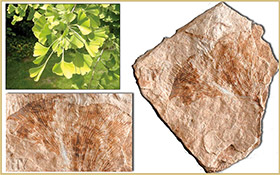
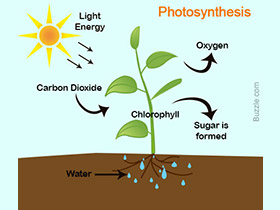
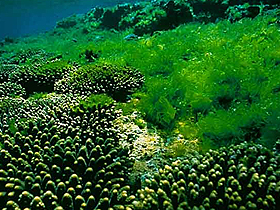
From "Miracle in the Plant Leaves" documentary.
The fine details in the plants' factory
709
From "Miracle in the Plant Leaves" documentary.






 02:28 Videos
 03:20 Videos
 03:24 Videos
 03:46 Videos
 05:26 Videos
 02:16 Videos
 00:32 Videos
 03:39 Videos
 02:28 Videos
 30:16 Videos
 02:25 Videos
 13:53 Videos
 02:09 Videos
 03:04 Videos
 01:44 Videos
 05:05 Videos
 01:59 Videos
 02:44 Videos
 02:19 Videos
 02:11 Videos
 02:31 Videos
 02:00 Videos
 02:31 Videos
 02:04 Videos
 02:20 Videos
This video examines the sophisticated and detailed design of plant leaves, highlighting them as vital energy production facilities. It explains how the specific structures of leaves allow for efficient photosynthesis and nutrient production, demonstrating Allah's artistry in creation. Viewers will learn how leaf shapes, sizes, and pore mechanisms are perfectly calibrated to survive in diverse environments, from dense rainforests to arid deserts.
This geometry allows solar rays to reach all cells engaged in photosynthesis and ensures that gas exchange happens efficiently across the surface. If leaves had a haphazard or thick shape, only parts of the plant would receive light, making sufficient energy and oxygen production impossible.
Plants are endowed with specific surface areas tailored to their environment. Broad leaves in tropical forests maximize light capture in low-light conditions, while plants in arid regions have small leaves or thorns to reduce water loss, reflecting a perfect, purposeful design.
Plants regulate water loss through the pores on their leaves. By expanding or contracting these apertures, they manage the rate of evaporation, allowing them to conserve water effectively in harsh or dry climates.
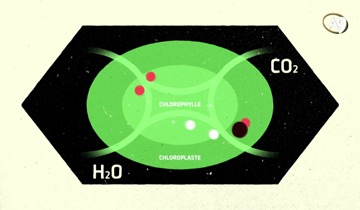
Leaves function as essential laboratories for nutrient production. They also capture carbon dioxide from the air and transmit it to the specific internal sites where photosynthesis takes place, ensuring the plant can function as a productive energy facility.
This video examines the sophisticated and detailed design of plant leaves, highlighting them as vital energy production facilities. It explains how the specific structures of leaves allow for efficient photosynthesis and nutrient production, demonstrating Allah's artistry in creation. Viewers will learn how leaf shapes, sizes, and pore mechanisms are perfectly calibrated to survive in diverse environments, from dense rainforests to arid deserts.
This geometry allows solar rays to reach all cells engaged in photosynthesis and ensures that gas exchange happens efficiently across the surface. If leaves had a haphazard or thick shape, only parts of the plant would receive light, making sufficient energy and oxygen production impossible.
Plants are endowed with specific surface areas tailored to their environment. Broad leaves in tropical forests maximize light capture in low-light conditions, while plants in arid regions have small leaves or thorns to reduce water loss, reflecting a perfect, purposeful design.
Plants regulate water loss through the pores on their leaves. By expanding or contracting these apertures, they manage the rate of evaporation, allowing them to conserve water effectively in harsh or dry climates.
Leaves function as essential laboratories for nutrient production. They also capture carbon dioxide from the air and transmit it to the specific internal sites where photosynthesis takes place, ensuring the plant can function as a productive energy facility.

Install the app
Tap the share button , then select "Add to Home Screen".