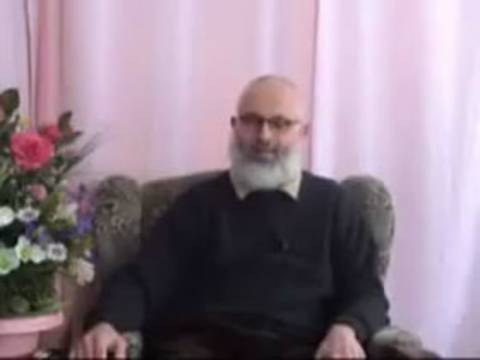







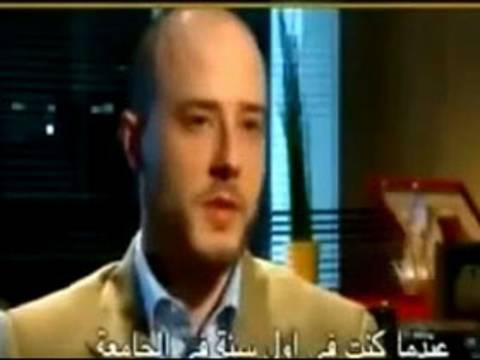
The former rap singer Loon – real name Chauncey Lamont Hawkins – assumed the name Amir Junaid Muhadith on becoming a Muslim. Loon describes how in his former life he possessed many worldly values, such as fame and money, but that these never brought him true happiness, which he found instead in Islam.
Embed
05:37 Videos
41:38 Videos
01:19 Videos
03:59 Videos
00:50 Videos
01:35 Videos
00:05 Videos
HD 01:11 Videos
02:19 Videos
41:15 Videos
03:00 Videos
04:11 Videos
04:13 Videos
02:22 Videos
00:52 Videos
09:28 Videos
03:39 Videos
03:13 Videos
10:49 Videos
02:05 Videos
02:40 Videos
04:06 Videos
02:57 Videos
05:00 Videos
13:07 Videos
This video features the story of Chauncey Lamont Hawkins, known as the rap artist Loon, who transitioned from a high-profile life in the music industry to finding inner peace in Islam. He discusses how worldly success, fame, and wealth could not provide true fulfillment, highlighting the contrast between the superficial allure of his former lifestyle and the tranquility found in his devotion to Allah.
- Worldly success, fame, and material wealth do not equate to true happiness or inner peace.
- The music industry often presents a one-dimensional, superficial lifestyle that distracts youth from spiritual truths.
- True peace is found only in the guidance of Allah, which is accessible to anyone seeking it sincerely.
- Public figures often mask their internal struggles to maintain an image for their fans.
What prompted the shift in the artist's life away from the music industry? +
He realized that despite achieving fame, success, and material possessions, he remained unfulfilled. He found that the lifestyle associated with the music business was repetitive and distant from truth, ultimately leading him to seek the spiritual peace he could not purchase with money.
How does the artist characterize the difference between his former lifestyle and his faith? +
He views his former life as a facade of glitz and glamour that masked inner emptiness and tragedy. In contrast, he describes Islam as a source of genuine peace and beautiful guidance that replaced the superficial validation of worldly fame with spiritual light.
Why does the artist emphasize that the cure for life's burdens is free? +
He highlights that while people often spend vast amounts of money chasing transient pleasures in clubs and material goods, spiritual healing and guidance from Allah come without a cost. He suggests that society mistakenly treats temporary worldly consumption as a remedy for the soul.
What message does the artist have for others who feel trapped by the pressures of fame? +
He notes that entertainers often struggle with personal hardships just like everyone else but feel pressured to maintain a character for their audience. He hopes for their guidance, acknowledging that Allah hears the sincere internal cries of those suffering beneath their public image.
Summary
This video features the story of Chauncey Lamont Hawkins, known as the rap artist Loon, who transitioned from a high-profile life in the music industry to finding inner peace in Islam. He discusses how worldly success, fame, and wealth could not provide true fulfillment, highlighting the contrast between the superficial allure of his former lifestyle and the tranquility found in his devotion to Allah.
Key Takeaways
- Worldly success, fame, and material wealth do not equate to true happiness or inner peace.
- The music industry often presents a one-dimensional, superficial lifestyle that distracts youth from spiritual truths.
- True peace is found only in the guidance of Allah, which is accessible to anyone seeking it sincerely.
- Public figures often mask their internal struggles to maintain an image for their fans.
Frequently Asked Questions
What prompted the shift in the artist's life away from the music industry?
He realized that despite achieving fame, success, and material possessions, he remained unfulfilled. He found that the lifestyle associated with the music business was repetitive and distant from truth, ultimately leading him to seek the spiritual peace he could not purchase with money.
How does the artist characterize the difference between his former lifestyle and his faith?
He views his former life as a facade of glitz and glamour that masked inner emptiness and tragedy. In contrast, he describes Islam as a source of genuine peace and beautiful guidance that replaced the superficial validation of worldly fame with spiritual light.
Why does the artist emphasize that the cure for life's burdens is free?
He highlights that while people often spend vast amounts of money chasing transient pleasures in clubs and material goods, spiritual healing and guidance from Allah come without a cost. He suggests that society mistakenly treats temporary worldly consumption as a remedy for the soul.
What message does the artist have for others who feel trapped by the pressures of fame?
He notes that entertainers often struggle with personal hardships just like everyone else but feel pressured to maintain a character for their audience. He hopes for their guidance, acknowledging that Allah hears the sincere internal cries of those suffering beneath their public image.