Carbon: The miraculous element
2539






 31:29 Videos
 45:05 Videos
 32:48 Videos
 12:36 Videos
 34:25 Videos
 41:54 Videos
 24:18 Videos
 23:48 Videos
 50:18 Videos
 31:46 Videos
 05:05 Videos
 00:49 Videos
 30:39 Videos
 41:38 Videos
 00:42 Videos
 02:12 Videos
 41:15 Videos
 42:10 Videos
 41:59 Videos
 02:19 Videos
 26:54 Videos
 24:53 Videos
 30:59 Videos
 26:57 Videos
 28:49 Videos
This video explores the essential role of carbon as the foundational element of life, detailing the extraordinary physical processes that allow it to form within stars. By analyzing the delicate balance of stellar resonances and carbon's unique ability to form millions of complex compounds, the video provides clear evidence of a deliberate, flawless design. Ultimately, it emphasizes that such precision reflects Allah's matchless artistry in creation.
Carbon is unique because it can form over 1.7 million different types of compounds, which is far more than any other element. These compounds include the essential building blocks of life, such as carbohydrates, proteins, and nucleic acids.
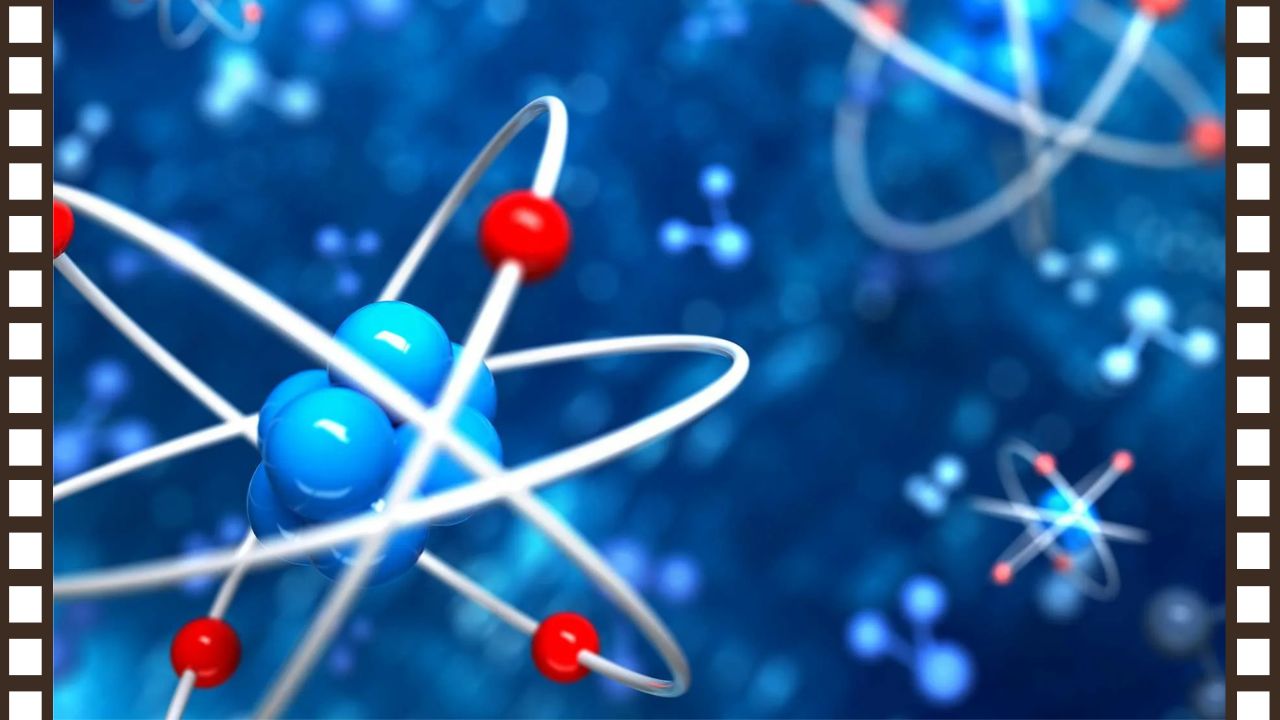
Carbon is created through a complex, two-stage process involving precise resonances inside giant stars. This process is so statistically improbable and delicately balanced that it indicates a superior intellect has intervened in the laws of physics.
While silicon is chemically similar, it cannot form the strong, stable, long-chain bonds that carbon establishes with its own atoms. Therefore, it is unable to produce the complex, varied compounds necessary for the existence of life.
Carbon compounds are highly sensitive to temperature and only remain stable within a range of minus 20 to 120 degrees Celsius. Earth possesses this specific, delicate temperature range, which is essential for sustaining carbon-based life.
This video explores the essential role of carbon as the foundational element of life, detailing the extraordinary physical processes that allow it to form within stars. By analyzing the delicate balance of stellar resonances and carbon's unique ability to form millions of complex compounds, the video provides clear evidence of a deliberate, flawless design. Ultimately, it emphasizes that such precision reflects Allah's matchless artistry in creation.
Carbon is unique because it can form over 1.7 million different types of compounds, which is far more than any other element. These compounds include the essential building blocks of life, such as carbohydrates, proteins, and nucleic acids.
Carbon is created through a complex, two-stage process involving precise resonances inside giant stars. This process is so statistically improbable and delicately balanced that it indicates a superior intellect has intervened in the laws of physics.
While silicon is chemically similar, it cannot form the strong, stable, long-chain bonds that carbon establishes with its own atoms. Therefore, it is unable to produce the complex, varied compounds necessary for the existence of life.
Carbon compounds are highly sensitive to temperature and only remain stable within a range of minus 20 to 120 degrees Celsius. Earth possesses this specific, delicate temperature range, which is essential for sustaining carbon-based life.

Install the app
Tap the share button , then select "Add to Home Screen".