When man’s life in this world is considered in all its aspects, the most fundamental fact that needs to be reflected upon is exceedingly clear: God exists. Man was created by God, the world in which he lives was created by God, and at the end of the lifespan granted to him, man will appear in the Presence of God. The Qur’an reveals this fact in an exceedingly clear manner:
He Who created death and life to test which of you is best in action. He is the Almighty, the Ever-Forgiving. (Surat al-Mulk, 2)
Therefore, the true meaning of life is not how long we remain in this world, how much we earn, how comfortable we are, or what position we attain among people. Beyond all these, there is a far greater and more decisive fact before man: The test will come to an end, and man will appear in the Presence of God.
The verses of the Qur’an clearly reveal details concerning man’s life in this world, his death, his resurrection, and the account he will face in the Hereafter. It is also revealed that the necessary reminders have been given to man so that on the Day of Judgment he will not say, “… We knew nothing of this…” (Surat al-A`raf, 172)
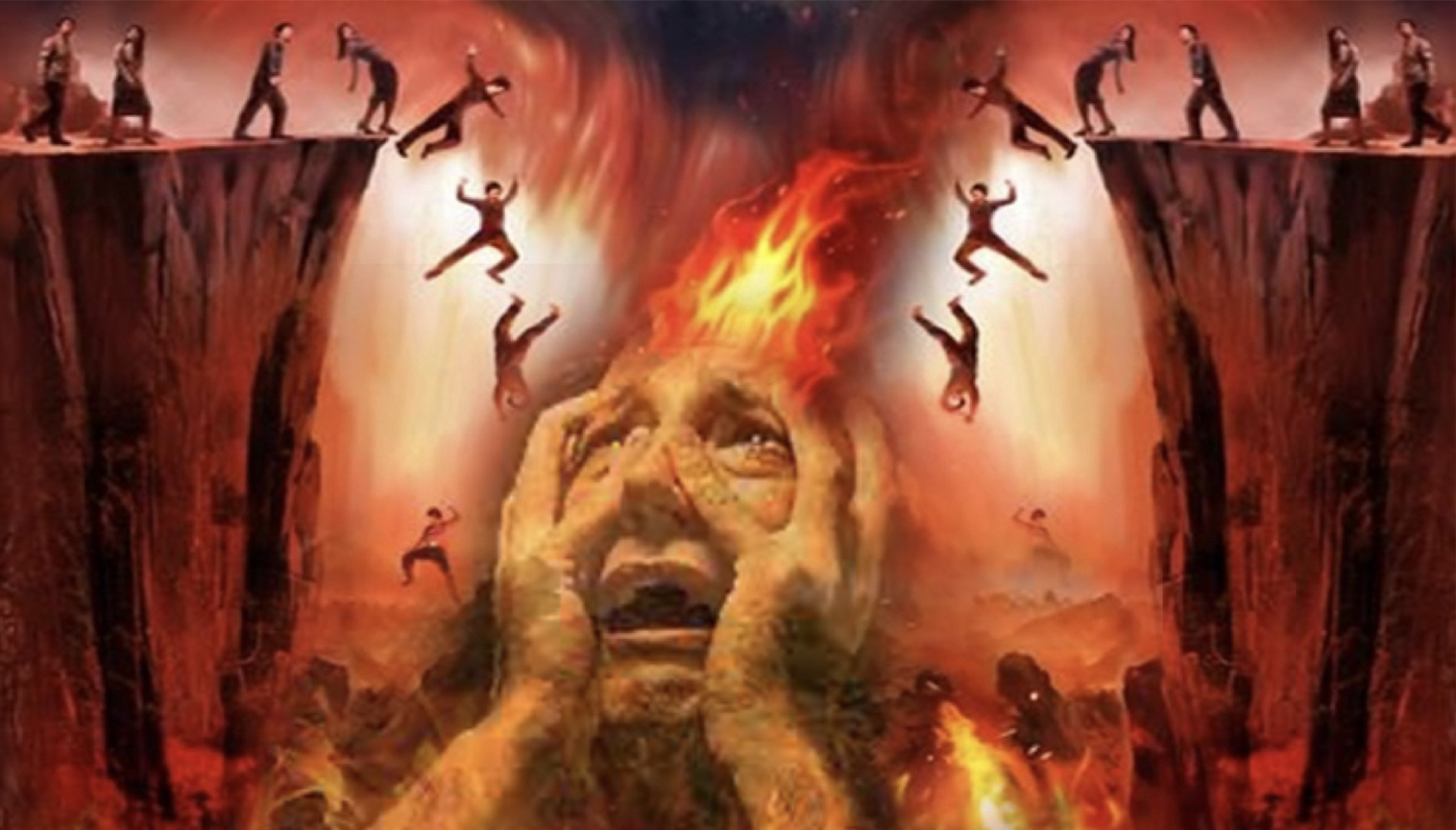
On the great Day of Reckoning foretold in the Qur’an, people will be resurrected and gathered in the Presence of God. Everything they did will be set before them, and the records of their deeds will be brought to them. The Qur’an reveals that on that day man will encounter his own record:
And the Book (of Deeds) will be placed (before you); and you will see the sinful in great terror because of what is recorded therein; they will say, “Alas for us! What a Book is this! It leaves out nothing small or great, but takes account thereof!”… (Surat al-Kahf, 49)
Other verses reveal as follows that on that day man will be confronted with what he did in this world:
As for him who is given his Book in his right hand, he will say, ‘Here, come and read my Book! I counted on meeting my Reckoning.’ (Surat al-Haqqah, 19-20)
But as for him who is given his Book in his left hand, he will say, ‘If only I had not been given my Book and had not known about my Reckoning!' (Surat al-Haqqah, 25-26)
One day, man will truly take that record in his hand and see that nothing he did in this world has been lost and that even his slightest action has its recompense:
Whoever does an atom’s weight of good will see it. Whoever does an atom’s weight of evil will see it. (Surat az-Zalzalah, 7-8)
So how much place does this great fact occupy in man’s daily life?
Man gets up in the morning and thinks about breakfast; if he is going to work, the rush to get there on time begins. Traffic, meetings, telephones, emails, shopping, bills, maintaining the house, repairs, food, cleaning, personal care... The day passes with one task and rush following another.
.jpg)
Of course, man has to do these things. He works, meets the needs of his home, and fulfills his responsibilities. The issue is not that these things are done. What really matters is the place they occupy in man’s mind and heart, and whether or not he forgets God while carrying them out. If, while directing all his attention to the details of the world, he forgets God and disregards the true reason for his existence in this world and his fundamental responsibilities in life, that is where loss begins.
Along with this, when man forgets God and the great day he will face in the Hereafter, he also faces the danger of being drawn toward certain attitudes and behavior of which God does not approve. Some people, for example, may carry in their minds all day long something said by a friend or relative. They think about why that person said it and remember it repeatedly throughout the day. Then they tell another friend about it. They discuss it with another relative. They keep wondering, “Why did that person say this?” and talk about it for hours.
On another day, for example, they learn that an acquaintance or relative has gone on vacation. This time, questions such as whom that person went with, where he went, and where he found the money to go on vacation begin to occupy their minds. They talk to others about it, make comments and speculate. Thus, that person’s life becomes a subject to which they devote more attention and about which they speak more than God, the Hereafter, and the account they will render on the Day of Judgment, which should be the true focus of their attention.
.jpg)
Man has responsibilities that he must fulfill in this world. As a requirement of guardianship, the health, security, and peace of Muslims lie within man’s sphere of responsibility. On the other hand, it is man’s responsibility to enjoin what is good and forbid what is evil, in other words, to fulfill his responsibility to communicate the message. In addition, throughout the day man must act with the good attitudes of which God will approve and which are revealed in the Qur’an, pay attention to his words and behavior, and make use of the lifespan granted to him in a manner with which God will be pleased. While all these stand before man, occupying himself with unnecessary things causes him to disregard his true responsibilities.
Moreover, while man spends his time on all these things, the most important fact never changes: God exists. The Hereafter exists. Man will sooner or later die and will take his record in his hand on the Day of Reckoning.
God reveals that while people occupy themselves with the outward appearance of the life of this world, they may remain unaware of the realities of the Hereafter:
They know an outward aspect of the life of this world but are heedless of the Next World. (Surat ar-Rum, 7)
In another verse, God draws attention to the fact that man must not become caught up in the life of this world and forget the true life in the Hereafter:
The life of this world is nothing but a game and a diversion. The Hereafter is better for those who fear God. So will you not use your intellect? (Surat al-'Anam, 32)
The world is in a state of great activity in which billions of people are simultaneously occupied with the outward appearance of life and busy with their own affairs. All over the world, people rush to get somewhere, purchase things, work on things, talk to others, and make plans.
Let us suppose for a moment that this entire scene were frozen. Let traffic come to a standstill and telephones fall silent. Let workplaces and shopping centers be emptied and all the rush in homes come to an end. If we could see the world in that frozen state, determine the worldly matters people were occupied with at that moment, and see how many people acted while thinking about the account they would render in the Hereafter...
Who in the world right now is thinking that one day he will stand in the Presence of God? How many people think that one day they will take the record of their deeds in their hands and read it? How many people act without forgetting that every word they utter and every action they perform in this world will sooner or later confront them? And how many hold the existence of God, the greatest truth, at the center of their hearts and minds?

Everything that takes place in this world has a recompense and an account in the Hereafter. No word that is uttered is lost; there is an account for it. No good deed that is performed is lost; there is an account for it. Both good and bad behavior will certainly have a recompense in the Hereafter.
While the friends of God occupy themselves with worldly affairs and fulfill their daily tasks and responsibilities, they do not forget the truth behind the appearance. While shopping, preparing food, arranging their homes, going somewhere, talking to people, working, resting, or dealing with any daily matter, they do not lose sight of the true purpose of life. They attend to the tasks required by the life of this world, but they do not allow those tasks to distance them from remembering God and thinking about the Hereafter.
.jpg)
When a blessing comes to them, they do not look only at the blessing itself; they remember the One Who bestowed it and the true Owner of the blessing. When a difficulty comes to them, they do not look only at the difficulty itself; they know that it is a test and remember that it was created through God’s knowledge and ordainment. While communicating with people, they know that they are being tested through their words and thoughts, and they do not forget that they will be called to account for them on the Day of Judgment.
People who do not forget God are described in the Qur’an as follows:
Those who remember God, standing, sitting and lying on their sides, and reflect on the creation of the heavens and the earth, [saying]: "Our Lord, You have not created this for nothing. Glory be to You! So safeguard us from the punishment of the Fire. (Surah Ali `Imran, 191)
Every morning, man once again faces a choice: Will he devote all his attention to the small and transient concerns of the world, or will he keep in mind the great fact behind all these?
The most important questions man should ask himself every day are these:
“What did I think about most today?”
“Was it something another person said? Another person’s life? Money, work, home, possessions, and daily concerns?”
“Or was it God, Who created me, and the account I will one day render in His Presence?”
A person who frequently asks himself these questions has the opportunity to keep himself under control. If the things that occupy his mind and heart most are always matters belonging to the life of this world, he must review his life, redefine his priorities, and place his Lord and the Hereafter at the center of his life. He should begin the day by saying, “Today I will display attitudes with which God will be pleased.” He should regard every person he encounters, every moment in which he must exercise patience, every opportunity to do good, as an opportunity God presents to him so that he may display good moral values and add good deeds to the record of his deeds. Such a person will be of great benefit both to himself and to those around him. Being a person who reminds those around him of God through his state and demeanor, and who also encourages them toward goodness through one's beauty and good moral values, is one of the greatest gains for man in this world.
.jpg)
















in_kaniyla_tum_gunahlarindan_arindiklari_inanci.jpg)