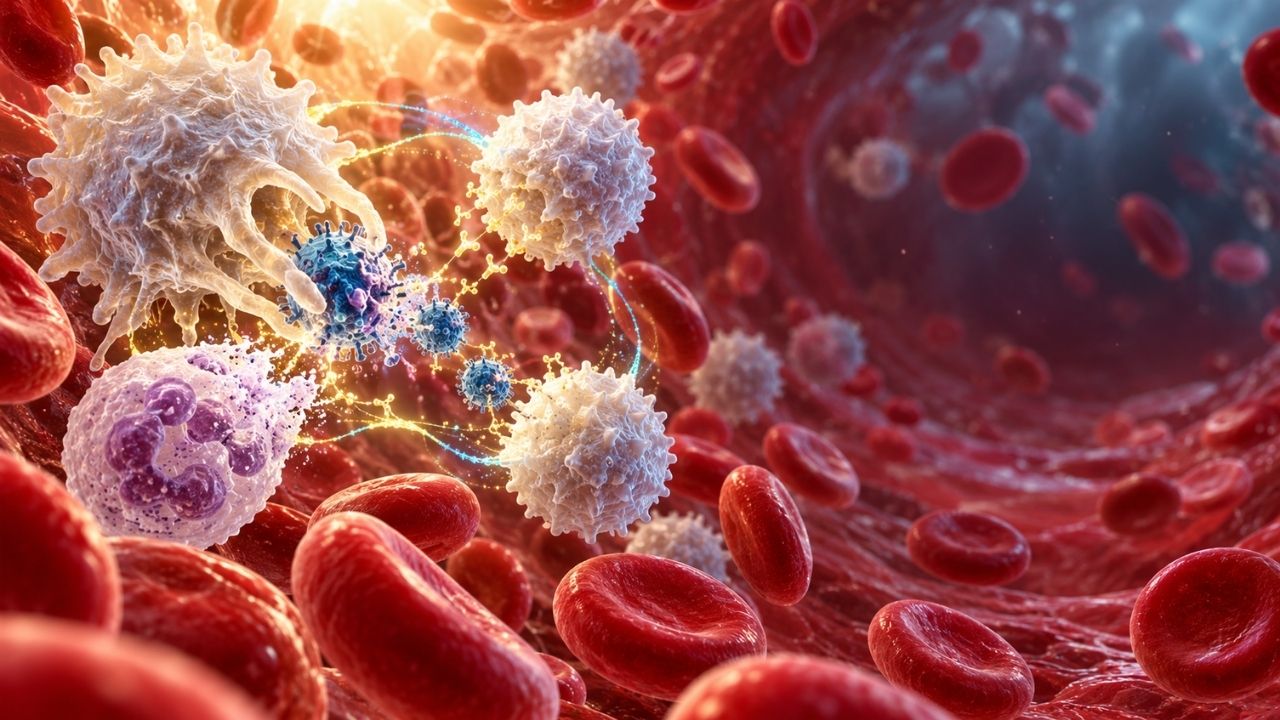
The immune system is an extraordinary defense mechanism that works in perfect harmony in the human body and ensures the continuation of our lives. If we did not have an immune system, none of us would be able to survive for long. This system not only provides protection against external disease-causing agents such as viruses, bacteria and parasites; it also recognizes and seeks to eliminate cells that have the potential to turn into cancer through mutation.
The immune system is an extremely complex network of organs, tissues and cells spread throughout the entire body. Various detection mechanisms in the system identify a foreign invader such as a bacterium or virus. This information is then conveyed to the other cells of the immune system, and a coordinated defense is initiated to neutralize the pathogen.
This extraordinary system is one of the great blessings God has bestowed upon the human body. Almighty God reveals in the Qur'an:
"We created man in the finest mold." (Surat at-Tin, 4)
The immune system is also one of the most striking examples of this perfect creation. While millions of microorganisms attempt to enter our bodies every day, our immune system recognizes them, distinguishes between them and neutralizes them. This process requires flawless organization, a sensitive communication network and highly accurate decision-making mechanisms. To claim that such a complex and orderly system is the product of coincidences is incompatible with reason and science. Every detail of it has been created through God's infinite knowledge, might and wisdom.
The most important defense cells of the immune system are white blood cells (leukocytes). These are generally considered in two main groups. Lymphocytes and Phagocytes. Lymphocytes recognize specific microbes, develop specific immunity against them and combat them by producing antibodies when necessary. Phagocytes, on the other hand, neutralize harmful microorganisms by virtually swallowing them.
Immune cells not only attack foreign invaders; they also record them in their memories. When they encounter the same microbe again, they mount a much faster and stronger defense. This "immune memory" shows how perfectly ordered the system has been created.
Our Lord reveals in the Qur'an:
"We have created all things in due measure." (Surat al-Qamar, 49)
This sensitive balance, flawless measure and harmony in the immune system clearly reveal the infinite wisdom and artistry in God's creation.
A large part of the cells of the immune system are produced in the bone marrow. In addition, organs such as the spleen, lymph nodes and thymus are also important centers of the immune system. The lymph fluid in the lymph nodes carries white blood cells throughout the body and contributes to the removal of foreign substances.
The spleen also undertakes important tasks in the functioning of the immune system. Although it is possible to live without this organ, which is located between the stomach and the diaphragm, the presence of the spleen provides a great advantage in terms of immunity. The spleen contributes to the production of new immune cells, removes old, aged blood cells and serves as an important center where immune cells come together and communicate.
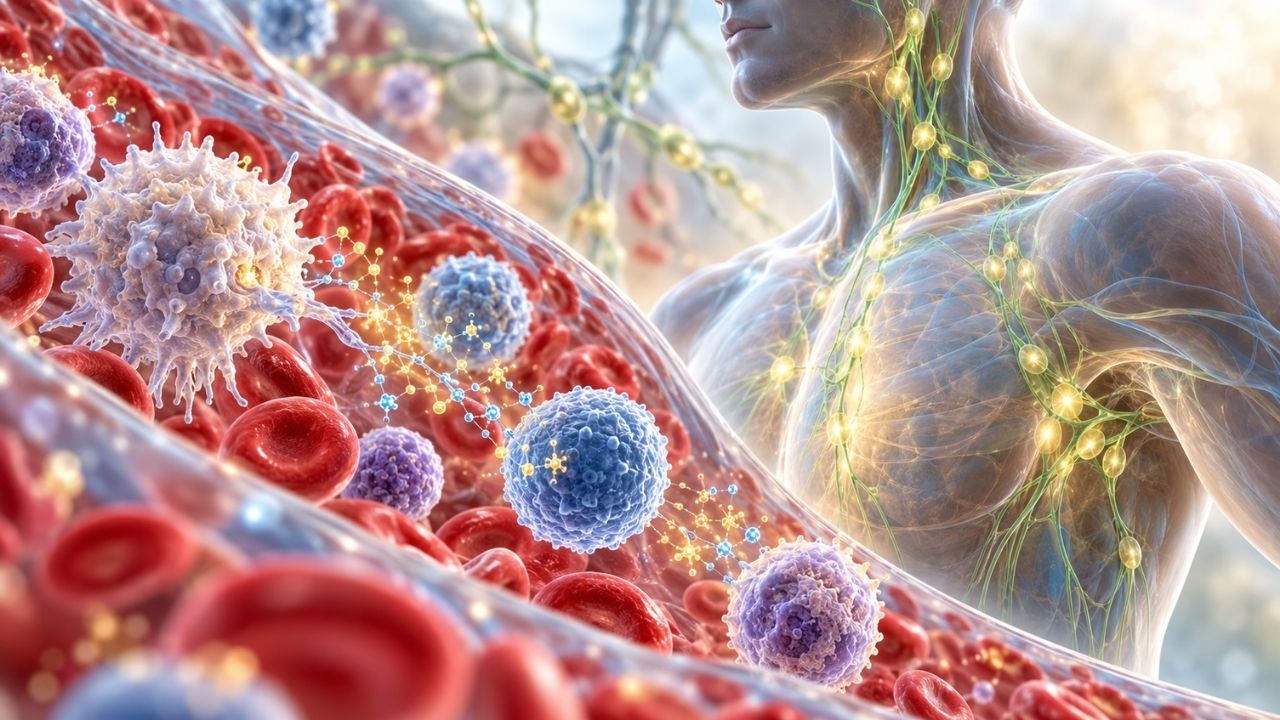
Immune cells are found not only in the lymph nodes, but in almost every tissue of the body. These resident or circulating cells constantly search for signs of disease. They also perform duties in the bloodstream, protecting the body against countless threats such as bacteria, viruses, fungi and parasites. The presence of special recognition mechanisms developed against every different microorganism is another indication of the extraordinary design in the immune system.
For many years, the appendix was described by evolutionist circles as "a functionless, vestigial organ." However, research conducted today shows that this is not true. The appendix serves as a safe storehouse for beneficial bacteria living in the intestine. It contributes to the proliferation of beneficial bacteria again, particularly after severe intestinal infections. In addition, thanks to the immune cells it contains, it supports the preservation of intestinal immunity.
The effect of intestinal bacteria on the immune system has also been demonstrated through laboratory studies. In research conducted at the University of Chicago, it was observed that mice with Bifidobacterium in their intestines responded more strongly to cancer treatments. When this bacterium was transferred to other mice, it was observed that tumor growth slowed and the immune response grew stronger.
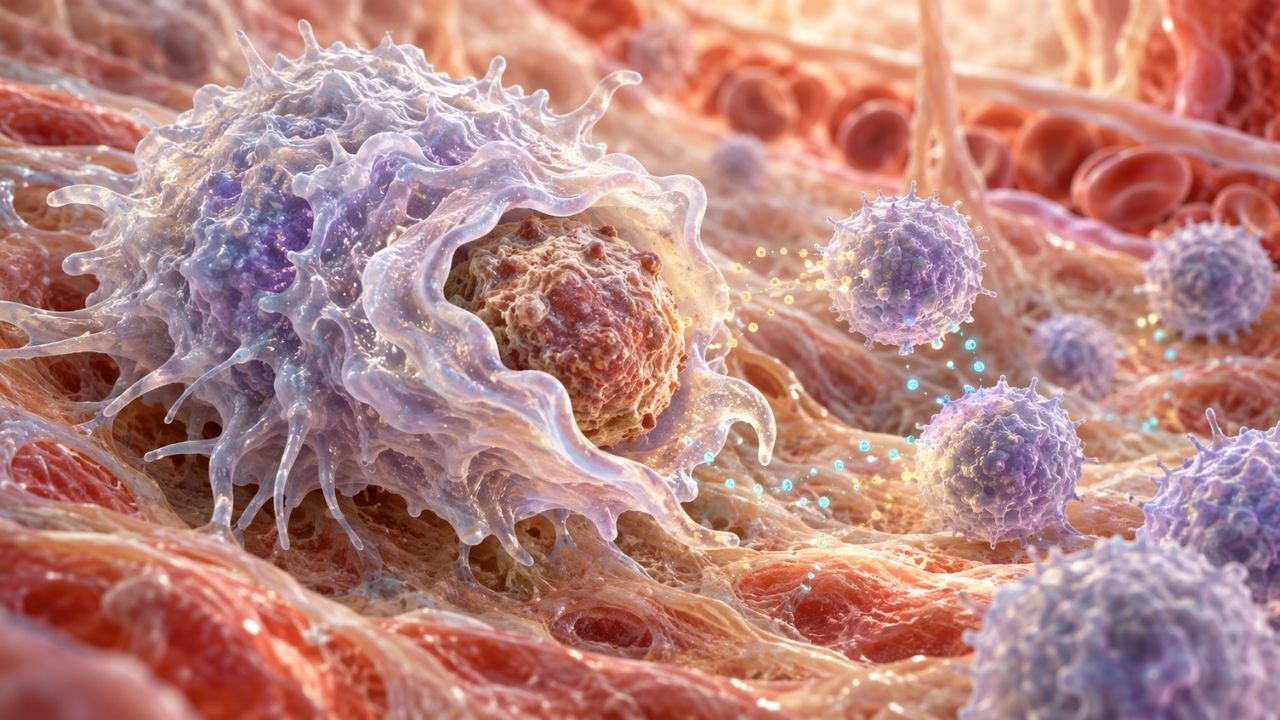
Scientists today are conducting studies to make more effective use of immune cells known as macrophages (“Pac-Man” cells) in cancer treatment. Macrophages are powerful defense cells that eliminate harmful cells by swallowing them. However, by means of the CD47 protein on their surfaces, many cancer cells succeed in evading the immune system by sending macrophages what is virtually a "don't eat me" message. When this signal is blocked, however, macrophages can recognize and destroy cancer cells. Experimental studies report that this approach has yielded promising results in some childhood tumors.
One of the most important developments in immune system research is immunotherapy. With this method, the patient's own immune cells are strengthened so that they can recognize and destroy cancer cells more effectively. Experts believe that in the future this method will play an important role in the treatment not only of cancer, but also of many different diseases.
In order for the immune system to function healthily, it is of great importance to eat a balanced diet, get sufficient sleep, exercise regularly and receive the recommended vaccinations against infectious diseases. Although there is no strong scientific evidence that many vitamins and supplements directly strengthen the immune system, healthy lifestyle habits support the normal functioning of immunity.
When a microbe enters our body, symptoms such as fever, nasal congestion, a sore throat and fatigue may occur. These symptoms are often signs that our immune system is waging an intense struggle against the invader.
The immune system possesses a structure that is too complex, planned and flawless to be explained by coincidences or unconscious natural events. The fact that every cell knows its duty, recognizes the enemy, reaches the right place at the right time, communicates with other cells and that, when necessary, millions of cells act like a single organism is the work of superior knowledge, wisdom and might.
Almighty God reveals in the Qur'an:
“He Who has created all things in the best possible way…” (Surat as-Sajdah, 7)
The immune system is one of the clear proofs of God's mercy that protects man and of His superior artistry. Man is protected from countless invisible dangers, most often without even being aware of it. Every second, billions of immune cells defend our bodies by flawlessly carrying out the tasks assigned to them. This extraordinary order is a manifestation of God's mercy and protection over man.
God has not left man to his own devices; He has placed his body under the protection of invisible armies. The immune system is one of the manifestations of our Lord's name Al-Hafiz (The Preserver / The Protector). Every cell performing a duty in the human body submits flawlessly to the laws established by God and fulfills the task He has ordained for it.
Almighty God reveals in the Qur'an:
"And in your creation and all the creatures He has spread about there are Signs for people with certainty." (Surat al-Jathiyah, 4)
The immune system is only one of the countless signs displaying God's artistry of creation. For people who reflect and take heed, every organ and every cell in the human body is clear evidence of God's infinite knowledge, might and mercy. Through this flawless defense system He has placed in our bodies, our Lord protects us night and day; what is incumbent upon us is to see His blessings and be among His servants who give thanks.