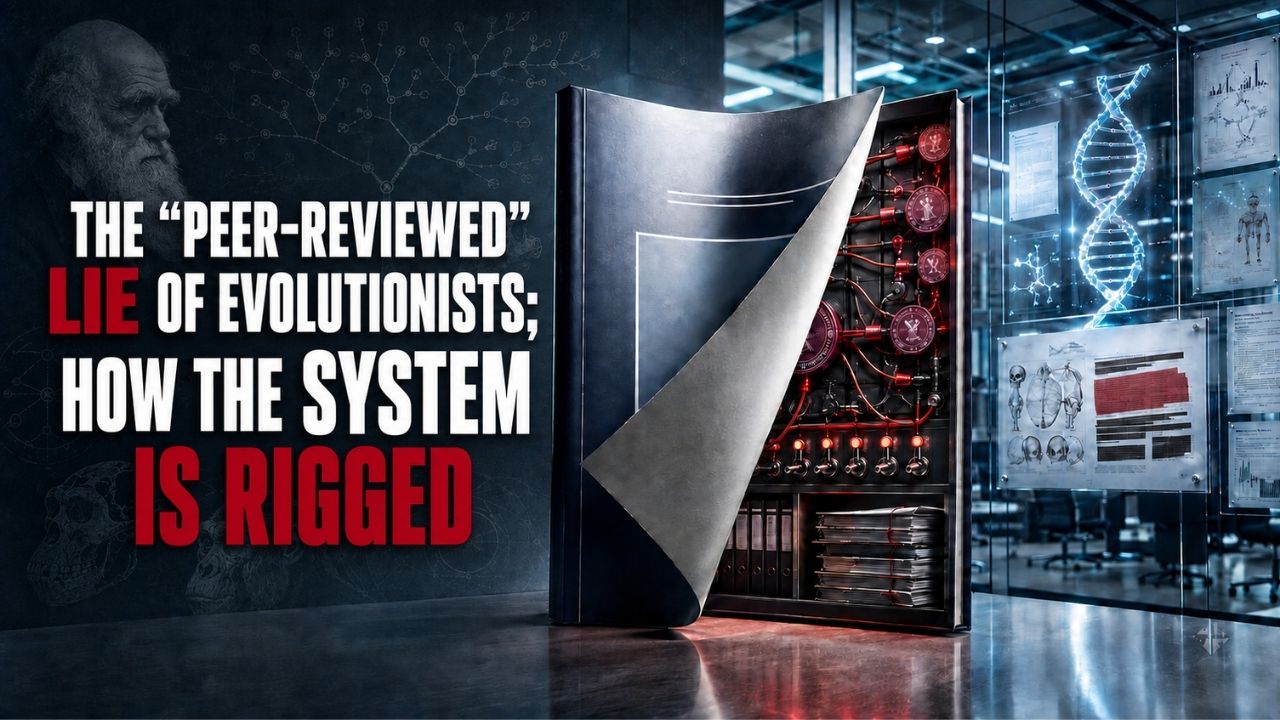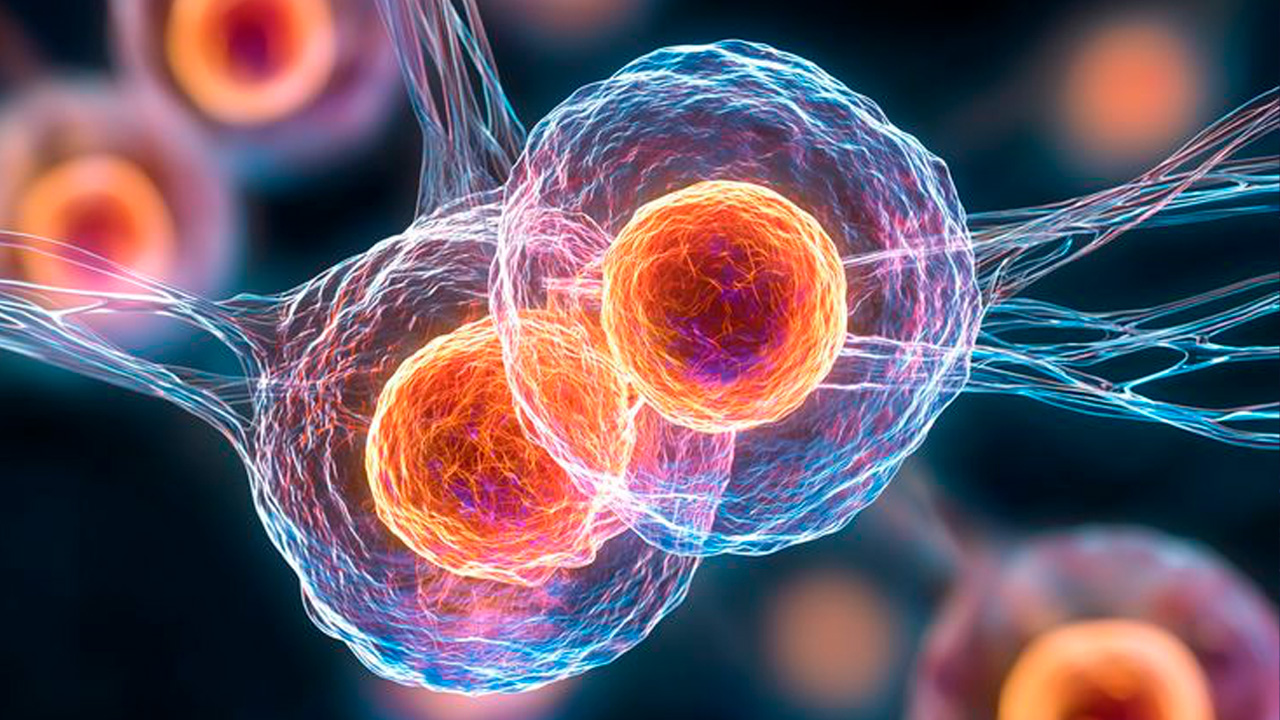
The study entitled "A Synthetic Cell Capable of Growth and Reproduction," conducted at the University of Minnesota, USA, and published on 1 July 2026, claimed that a living cell had been created in the laboratory. The study received extensive coverage in many domestic and international news websites and social media platforms under headlines such as "FOR THE FIRST TIME, A LIVING CELL WAS PRODUCED FROM NON-LIVING MATTER IN THE LABORATORY," "LIFE HAS NOW BEEN CREATED IN THE LABORATORY," or "SCIENCE HAS CREATED LIFE FROM SCRATCH." (TRT, CNN, Science)
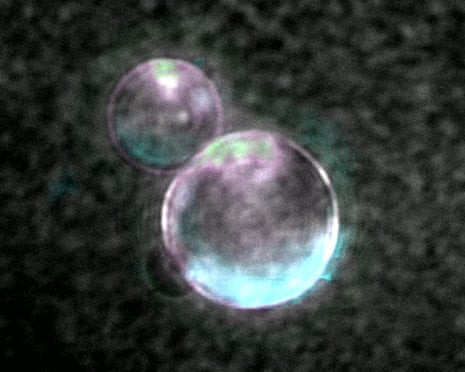
However, when the article is examined carefully, it becomes clear that these news reports are unfounded interpretations that go beyond the scope of the study and are intended more for the purpose of promoting evolution. Because, contrary to the claims, A LIVING CELL HAS NOT BEEN CREATED FROM NON-LIVING MATTER. Instead, ready-made proteins, ready-made ribosomes, and ready-made DNA, obtained from existing living organisms and already functioning, were transferred into a lipid vesicle (vesicle), thereby forming an artificial system. In this form, the study is, rather than being an experiment explaining the chemical origin of life, an important application of synthetic biology engineering; however, it does not in any way support Darwinism's claim that "life can arise from non-living matter." On the contrary, it has become proof that, without proteins and components obtained from living cells, an artificial system cannot be persistent.
Indeed, nowhere in the article do the researchers claim that "we created life from scratch" or "we produced a living organism from non-living chemicals." For the experimental environment they established, they instead preferred the concept of "life-like properties."
What Was Actually Produced in the Study?
In the study, vesicles (liposomes), which can be described as lipid bubbles, were formed using ready-made phospholipids, themselves derived from biological organisms. Subsequently, numerous ready-made biological components were placed inside these lipid bubbles, and, in order for the system to remain functional, it was continuously supplied with proteins, chemicals, and ready-made ATPs obtained from other cells. However, there is not even a genuine cell membrane—the most fundamental indispensable component of a cell—possessing selectively permeable intelligent gateways.
In its present form, the structure formed is BY NO MEANS A LIVING CELL that possesses its own metabolism, is capable of synthesizing its own ribosomes, can establish its own energy system by producing ATP, or can selectively take up raw materials from its surroundings and process them.
To define it precisely, it is A CONTROLLED REACTION VESSEL INTO WHICH BIOLOGICAL MACHINERY COLLECTED FROM OTHER CELLS HAS BEEN PLACED.
Which Biological Systems Were Supplied Externally?
The most important aspect of the study is that the fundamental components required for life were continuously supplied to the system throughout the experiment.
1. Ready-made genetic information
All functions that take place within a cell must be genetically encoded in DNA. In this experiment, however, the researchers added ready-made DNA obtained from Escherichia coli (the Escherichia coli bacterium) to the system they had created. The DNA was cloned externally in the form of plasmids, amplified again in Escherichia coli bacteria, subjected to a second DNA purification (PCR cleanup) after purification, and, following concentration, added to the system.
2. Ready-made DNA decoding (translation) system
Special proteins are required for the added DNA to be read. These include initiation factors (IF-1, IF-2, IF-3), elongation factors (EF-Tu, EF-G, EF-Ts), release factors, the ribosome recycling factor, 20 aminoacyl-tRNA synthetases, and a ready-made tRNA pool. These highly specific proteins were added to the system from an external source as the commercially available PURE® system.
3. Ready-made DNA replication system
Special proteins are required for the replication—that is, the copying and amplification—of the bacterial DNA added from the outside within the system. For this purpose, the researchers also added ready-made Phi29 DNA polymerase protein from an external source.
4. Ready-made transcription system
In this experimental system, the T7 RNA polymerase protein required for RNA synthesis was likewise added from an external source.
5. Ready-made ribosomes
The ribosomes, which are the site of protein synthesis, were not synthesized spontaneously in this artificial environment but were continuously supplied from an external source (the commercial PURE® system). Ribosomes, which are indispensable for a living cell, were not produced from scratch; all of the limited protein synthesis within the system was carried out entirely by means of ready-made ribosomes supplied externally.
6. Ready-made energy system
Protein synthesis requires an extremely high amount of energy. However, ATP cannot be produced within this closed system. This is because the thousands of mitochondria that should be present in a normal cell are absent, there is no proton gradient, and oxidative phosphorylation is also absent.
For this reason, the researchers continuously supplied the system from the outside with ready-made ATP, GTP, CTP, UTP, dNTPs, creatine phosphate, DTT, spermidine, and the necessary buffer systems.
7. Ready-made amino acids
In nature, a living cell produces all of the amino acids it requires itself, and those it cannot produce are selectively taken up from the external environment through transporter proteins embedded in the cell membrane. In this closed experimental system, however, all 20 amino acids were artificially supplied from an external source. This is because this synthetic system has no metabolism capable of synthesizing amino acids.
8. Ready-made tRNAs
All transfer RNA (tRNA) molecules, which are responsible for transporting amino acids to the ribosome during protein synthesis, were likewise supplied from an external source.
9. Ready-made lipids
A normal cell synthesizes the lipid chains that make up its membrane, namely phospholipids, by itself. In contrast, this experimental system has no such production mechanism. From the very beginning, during the initial construction of the experimental system, and subsequently for the growth of this membrane, all of the required phospholipids were supplied from an external source (feeder liposomes).
As can be seen, through the process referred to repeatedly in the article as "feeding," new ribosomes, new enzymes, the translation system, energy components, and new membrane lipids were continuously added to the system within lipid vesicles (lipid bubbles). This is because this closed system, which is claimed to be living, IS A NON-LIVING SYSTEM; since it has no metabolism, it cannot produce its own energy and cannot sustain itself independently. For this reason, in order for the experiment to continue, every type of molecular machinery must necessarily be added to the system on a regular basis.
The Division Deception
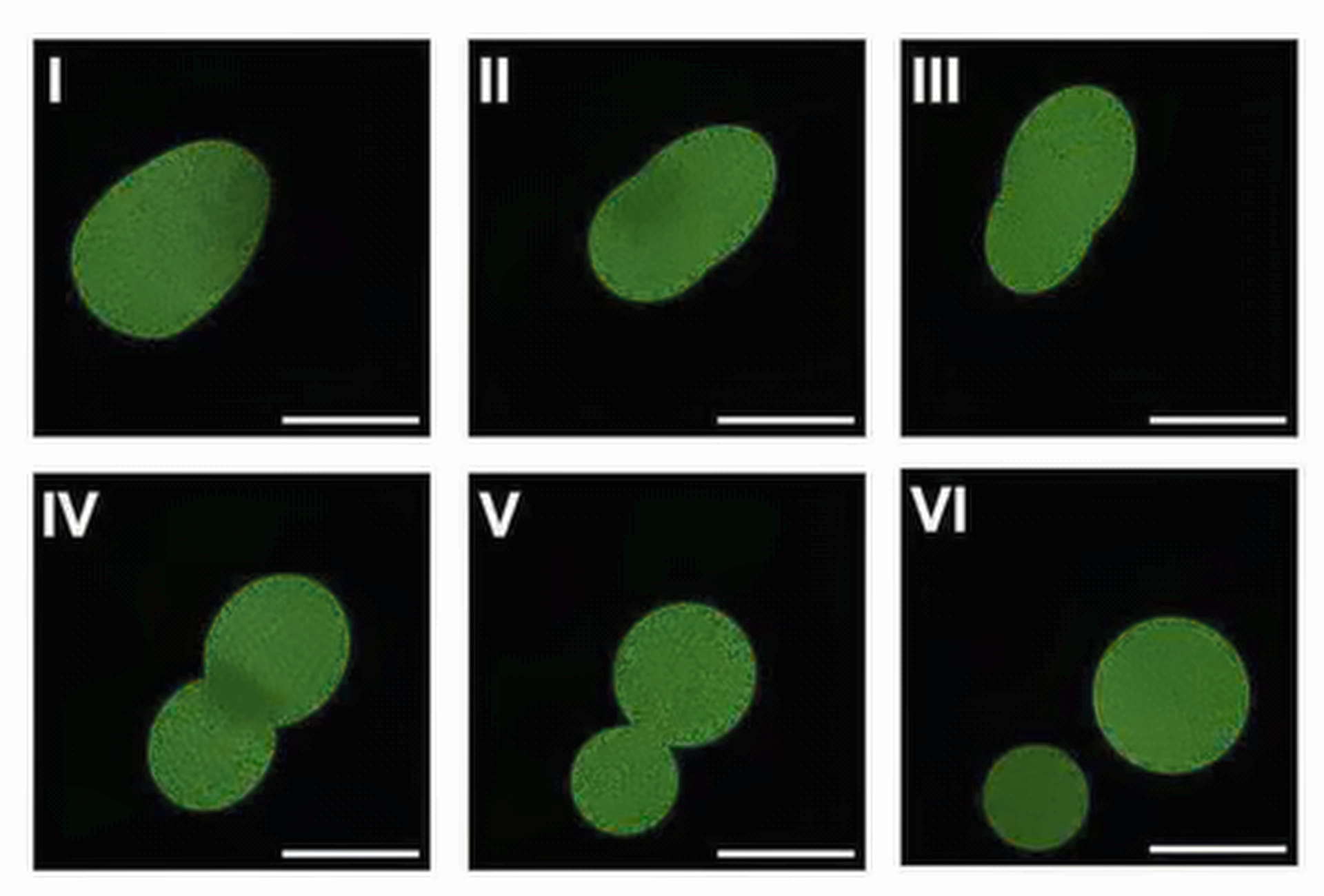
When we examine what is meant in the article by the statement, "we enabled these vesicles to divide over five generations," it becomes clear that no genuine division took place and that there was certainly no division in the form of the well-known processes of meiosis or mitosis.
The first method employed was the mechanical extrusion method. The researchers passed the lipid vesicles through micrometer-scale filters, thereby physically separating them into smaller vesicles.
Accordingly, what occurred here is NOT A PROCESS SIMILAR TO NATURAL CELL DIVISION, BUT RATHER A PROCESS OF PHYSICAL FRAGMENTATION. In a genuine cell, however, centrosomes appear during division and bring about cell division by pulling the spindle fibers. In contrast, this system does not even contain the fibers that constitute the cell's cytoskeleton.
In the final part of the article, the researchers developed a second method, which they referred to as genetically encoded division. This method has often been presented in the media as "the cell is now dividing on its own." In reality, however, the process is quite different.
First, the membrane protein called α-Hemolysin (αHL) was synthesized within the experimental lipid vesicle. Then, after this protein became incorporated into the membrane, the researchers added streptavidin, Ni-NTA binders, or biotin and FLAG antibody to the external environment.
These externally added molecules established a mechanical constriction by linking proteins together at specific regions of the membrane, and, as a result, the vesicle separated into two parts.
This Is Not Genuine Cell Division
The streptavidin bridges that were formed cause the membrane to constrict and become compressed. What occurs here is not biological cytokinesis but chemically induced membrane constriction. The membrane is merely constricted and separated as a result of the interaction of the binding molecules.
For this reason, the system is by no means an autonomous structure capable of genuinely dividing and reproducing on its own. A SELF-DIRECTED PROCESS OF CELL DIVISION, as observed in natural living cells, HAS NOT BEEN PRODUCED. The procedure carried out is a form of artificial splitting and fragmentation performed through external intervention by the researchers. Indeed, the resulting structures did not exhibit a proportional distribution of their contents.
What Is Life?
For a cell to be regarded as living, it must possess a selectively permeable membrane that automatically regulates what enters and exits; a metabolism independent of external input that produces chemical substances according to its needs; genetic information (DNA or RNA) in which all of its functions are encoded; continuous protein synthesis carried out by reading this information; homeostasis by which it instantaneously maintains the acid-base balance within the cytoplasm; the ability to divide and reproduce on its own; the ability to respond to environmental stimuli; and the capacity for self-repair. If a closed system can perform these vital functions autonomously—that is, completely independently and without any external intervention—it is regarded as a "LIVING" cell. However, the structure described in this study possesses NONE OF THESE CHARACTERISTICS. For this reason, it cannot technically be claimed to be alive.
The Principle of Biogenesis in Biology
One of the fundamental principles of biology is the principle of biogenesis. First established by Louis Pasteur, this principle states that life arises only from life and that living organisms cannot spontaneously emerge from non-living matter.
When the study under examination is carefully evaluated, it becomes evident that the system depends on pre-existing biological components in order to function. The ribosomes, translation factors, DNA polymerase, RNA polymerase, and all other essential molecular machinery are ready-made, functional components that the researchers OBTAINED FROM LIVING ORGANISMS. The synthetic system in question, however, is incapable of producing even these most fundamental biological components on its own.
Accordingly, the study DOES NOT DEMONSTRATE that Darwinism and the theory of evolution have solved the problem of the origin of life. What it demonstrates is the fact that life CANNOT BE PRODUCED FROM NOTHINGNESS even in laboratory.
Conclusion
This study does not, in any way, support the news reports stating that "the first living cell has been produced from non-living matter," which appear to have been prepared for the purpose of promoting evolution. The researchers developed a temporary synthetic platform resembling a cell by using biological components obtained from other living organisms. This is, of course, a significant achievement in bioengineering. The researchers succeeded in integrating many artificial systems into a single platform. In this respect, the study is noteworthy from the standpoint of biotechnology and bioengineering. However, no genuinely living cell has been produced. Accordingly, in this respect, the study serves as a very clear and unequivocal reminder that life cannot be created even under laboratory conditions.
Life and living systems are too complex to arise either on their own or to be produced in a laboratory without the creation of Almighty God, Who possesses infinite power and is All-Knowing. Human beings, who are unable to produce even a single protein, should recognize the infinite power of God, Who continuously creates at every moment. This is, above all, the greatest responsibility resting upon scientists.
News Reports:
· https://www.sozcu.com.tr/laboratuvarda-can-verdiler-yemek-yiyebiliyor-ve-buyumeye-basladi-p334486
· https://www.diken.com.tr/ilk-sifirdan-canli-hucre-uretildi/
· https://edition.cnn.com/2026/07/01/science/synthetic-cell-research
· https://www.theguardian.com/science/2026/jul/01/synthetic-life-lab-made-dna-spudcells-scientists
Relevant Article:
· A Chemically Defined Synthetic Cell Capable of Growth and Replication
Nathaniel J. Gaut, Christopher Deich, Brock Cash, Tanner Hoog, Aaron E. Engelhart, Katarzyna P. Adamala
DOI: https://doi.org/10.64898/2026.07.01.735724 (https://www.biorxiv.org/content/10.64898/2026.07.01.735724v1.full)
· https://biotic.org/research/spudcell/