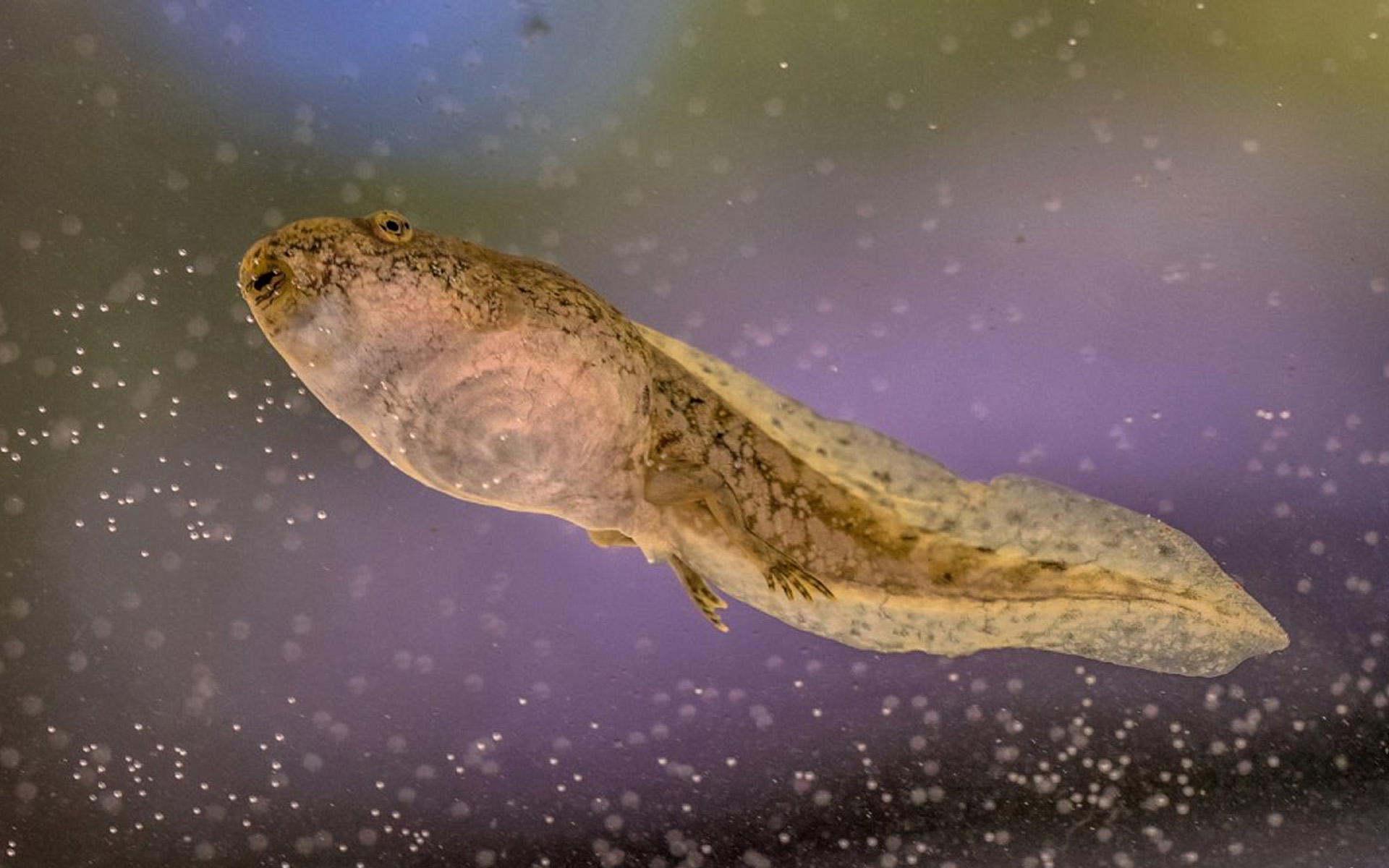
The astonishing transformation and perfection that butterflies undergo within a short period of time, beginning from the egg stage, constitute a miracle in themselves for people who contemplate. The rapid transformation of a bulky, shapeless, and colorless caterpillar into an extraordinarily beautiful creature adorned with intricate patterns and colors upon its wings is not an ordinary change, but rather a magnificent example of creation demonstrating the infinite artistry of God.
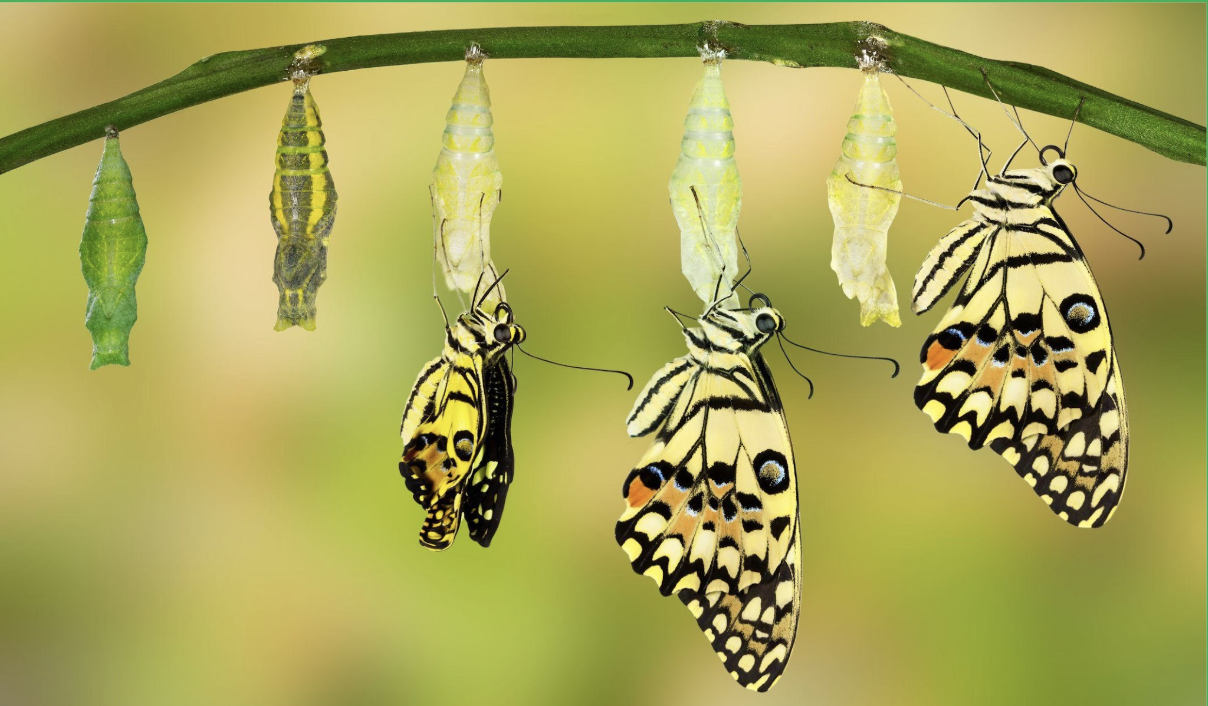
The life cycle through which butterflies undergo a profound transformation within a short period of time may briefly be summarized as follows:
- The female butterfly generally lays her round eggs on the underside or upper surface of plant leaves.
- Larval Stage (Caterpillar): A caterpillar emerges from the egg. The caterpillar continuously feeds and grows.
- Depending on the species of butterfly into which the caterpillar will transform, it obtains the necessary chemical components from the specific plant it feeds upon during this process. It derives carbohydrates and sugars from the leaves, proteins from plant tissues, water from the natural moisture of the leaf, as well as vitamins and minerals. This growth process is so extraordinary that there may be a difference of up to 2,000-fold between the caterpillar’s weight at birth and its weight upon entering the chrysalis stage. Moreover, as the caterpillar grows by consuming the surrounding leaves, the characteristics of the leaves it consumes may influence the patterns that later appear on its wings.
- Pupal Stage (Cocoon/Chrysalis): The caterpillar spins a cocoon and enters the pupal stage, during which it undergoes a major transformation.
An adult butterfly then emerges from the cocoon, begins to fly, and lays new eggs on suitable leaves, thereby continuing the cycle.
.png)
Before this transformation begins, the chrysalis in which the caterpillar confines itself must be perfectly constructed. This is because it is impossible for the butterfly to emerge before maturation is complete; even the slightest weakness in the membrane, any small opening, or a rupture at the point of attachment would cost it its life. For this reason, the strength of the chrysalis, its location, and the manner in which it is attached are all of vital importance. Yet a tiny caterpillar carries out all of these processes flawlessly through the inspiration of God—despite having no prior experience and without ever undergoing any process of trial and error.
A Steel-Like Safety Belt Made of Silk
The methods by which caterpillars secure their chrysalides vary according to species.
Danaus chrysippus (plain tiger) suspends its pupa downward by attaching it to the tip of a leaf.
Papilio polytes (common mormon), by contrast, attaches its pupa to a branch from below while also providing additional support through a “safety belt” that passes around its middle.
What is remarkable here is the material and technique employed by the caterpillar:
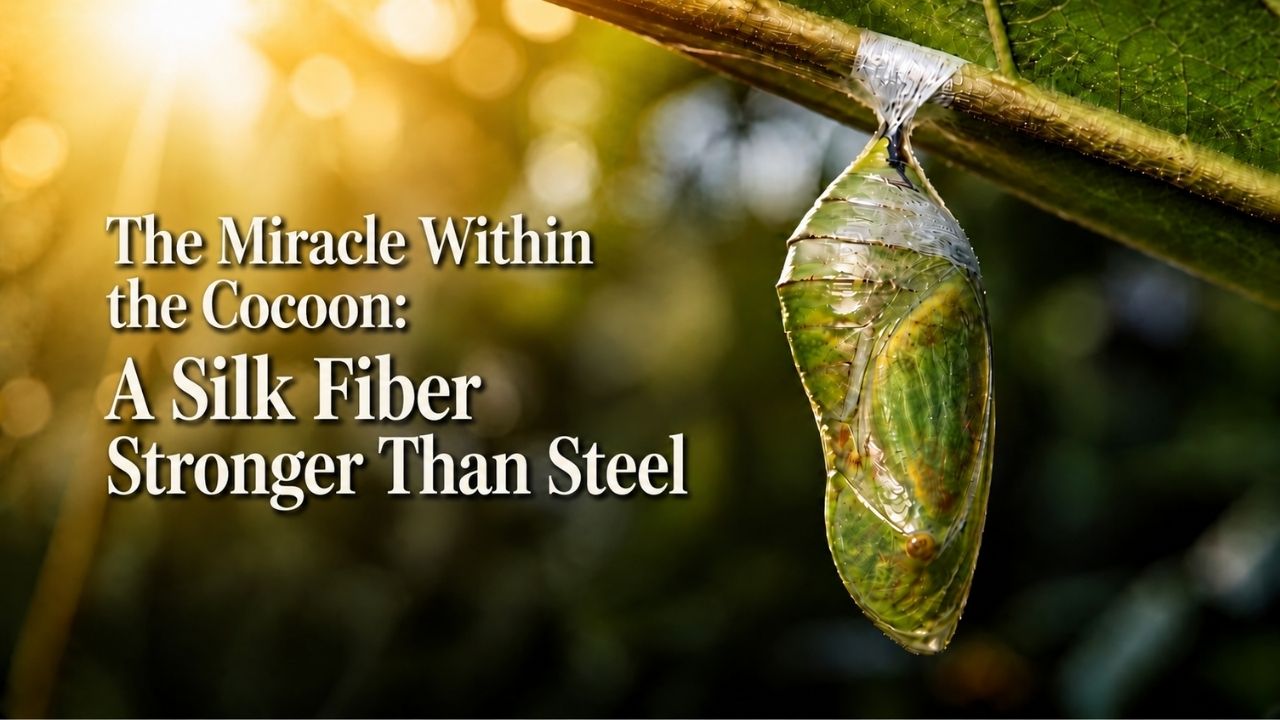
The material consists of a silk thread that appears extremely delicate and is dozens of times thinner than a human hair. Yet the caterpillar producing it can neither tie knots, hammer nails, nor utilize any external fastening tool. How, then, can such a fragile-looking material securely support an entire chrysalis?.jpg)
Anchor-Like Fastening Structures
Microscopic examinations conducted by scientists have revealed that the caterpillar does not, in fact, use a single strand of silk. Rather, it forms the thread by combining 20 separate microscopic fibers. This provides an attachment strength up to 8 times greater than that of a single filament. Even more remarkably, the ends of these fibers are not ordinary in structure. They possess a system resembling the hook-and-loop mechanism commonly used in footwear and clothing fasteners. However, instead of a simple “hook-and-fiber” arrangement, they contain microscopic anchor-like fastening structures that provide a far stronger bond. Through this mechanism, the caterpillar’s delicate silk thread attains a reliability comparable to that of a steel cable.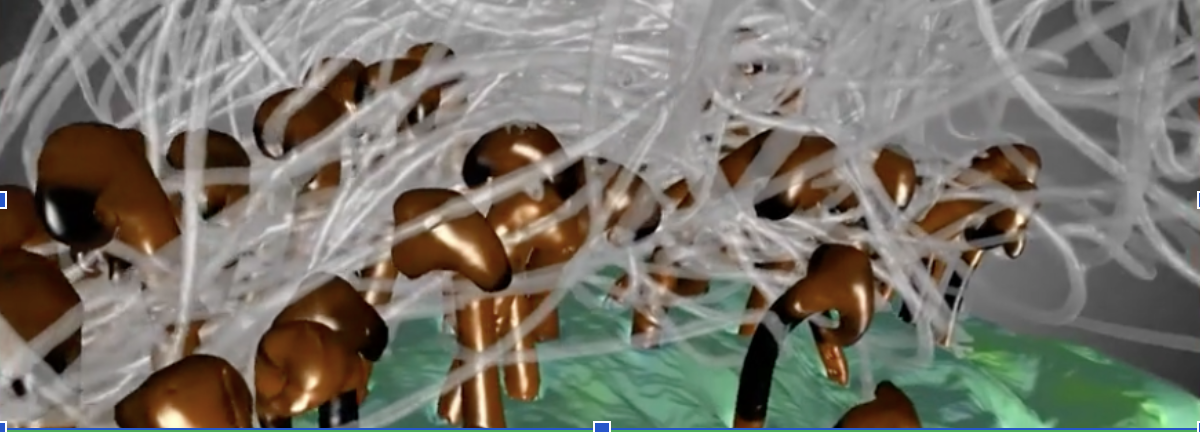
It is evident that it cannot be a coincidence for such a tiny creature to produce, on the very first attempt and with the same flawless precision in every instance and across all species, an ideal design capable of supporting both its own weight and the load of the chrysalis. All of these intricate details of creation clearly demonstrate that they were created by God, Who possesses supreme and infinite wisdom.
The Functioning of the Perfect System Behind Metamorphosis
The structure of the silk filament is only the beginning. An even greater miracle lies in the transformation initiated by the caterpillar within the chrysalis. Many tissues dissolve, cells are reorganized almost from scratch, and wings together with a complex nervous system are constructed anew. Even the slightest error occurring during this process would render metamorphosis—that is, the formation of the butterfly—impossible..png)
All of these details—the design of the silk filament, the engineering of the chrysalis, and the step-by-step progression of the biological transformation—are stages that emerge as the result of a conscious plan realized through the inspiration of God. It is evident that such a complex and extraordinary system could not have arisen through random processes or coincidences. Every stage undergone by the caterpillar, and ultimately the emergence of the butterfly itself, is presented as the manifestation of a divine artistry. The universe and all living beings within it did not come into existence through blind chance; rather, they were uniquely and incomparably created by our Almighty Lord, Who brought the worlds into being from nothingness.
"It is He Who created everything on the earth for you and then directed His attention up to heaven and arranged it into seven regular heavens. He has knowledge of all things." (Surat al-Baqara, 29)