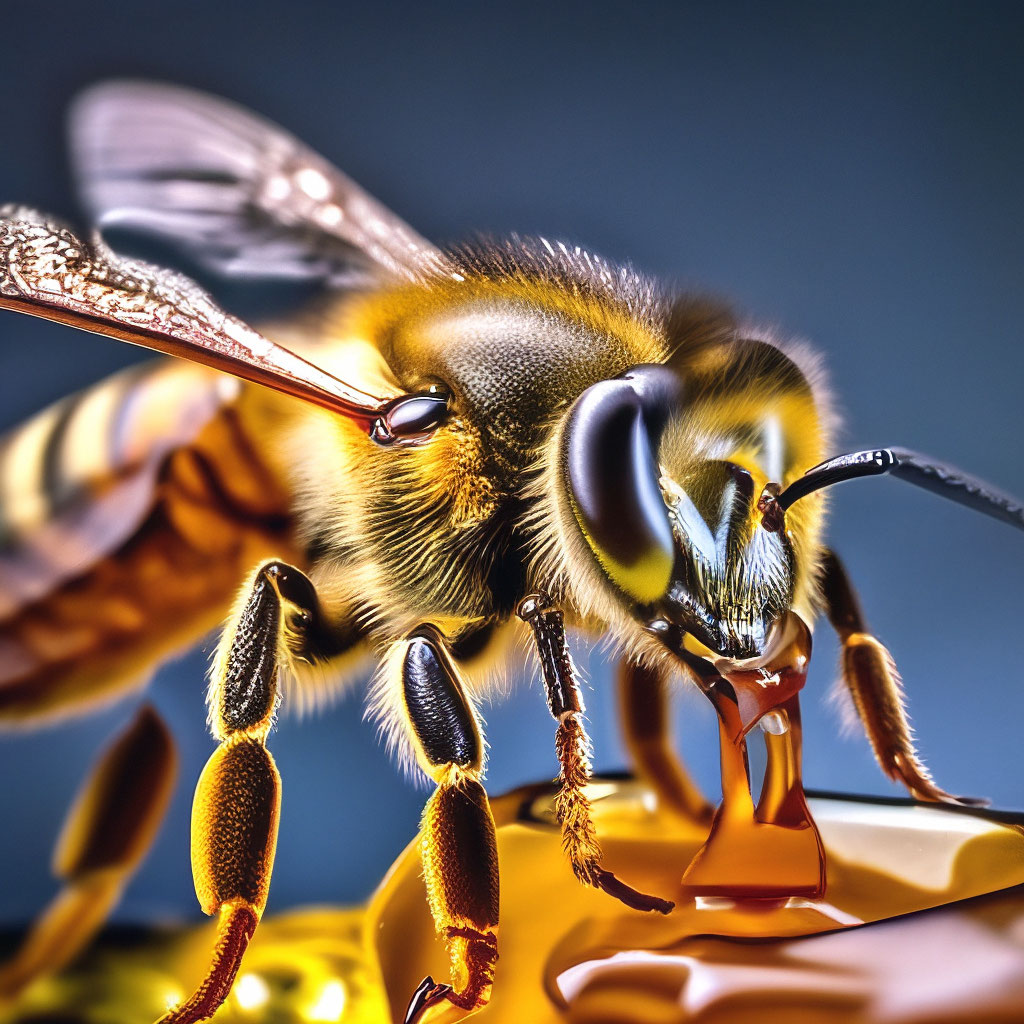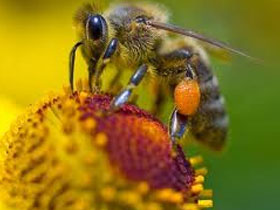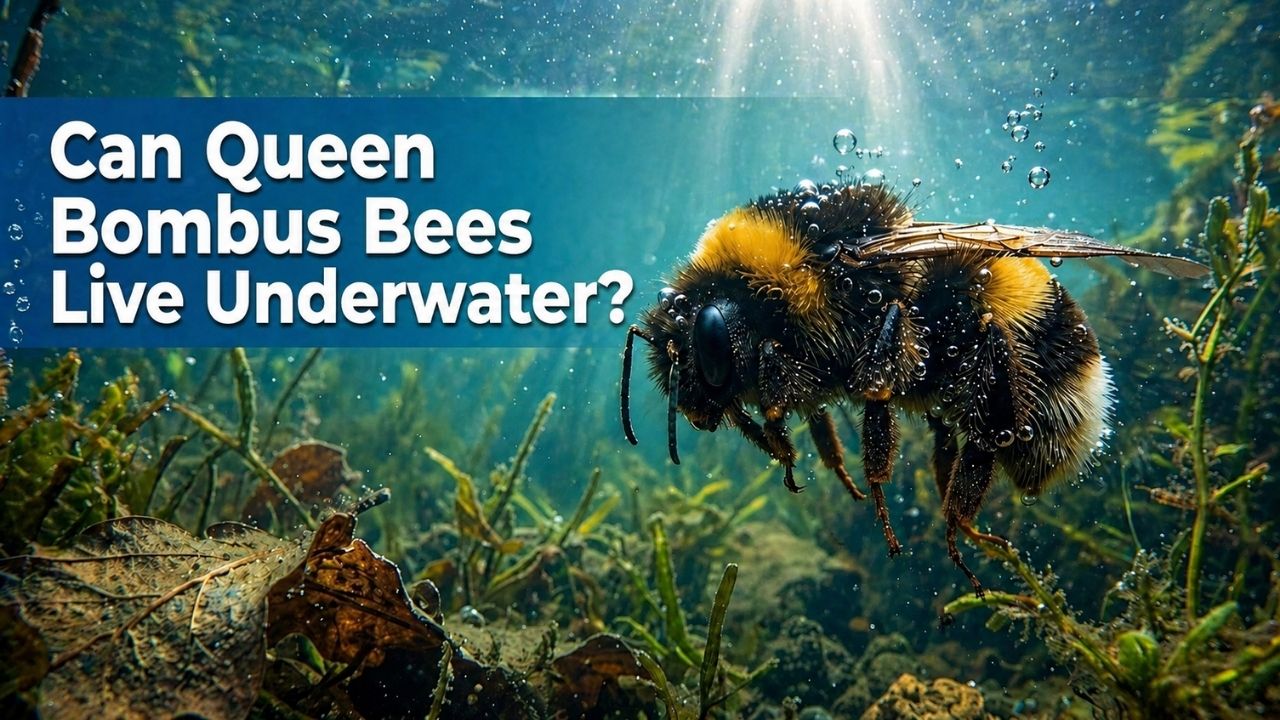
Bees, particularly wild bees of the genus Bombus, are indispensable pollinators within ecosystems. Possessing a notably appealing appearance, bumblebees enable the pollination of flowering plants, thereby sustaining both agricultural production and biological diversity. Research emphasizes that forest habitats play a critical role in the life cycle of Bombus bees, while these bees are, in turn, essential for the preservation of forest habitats (1). On the other hand, the pollination carried out by Bombus bees helps maintain the diversity of fruits and vegetables. Consequently, a decline in their populations directly implies a reduction in food production. This, in turn, constitutes a risk for human health and food security (2).
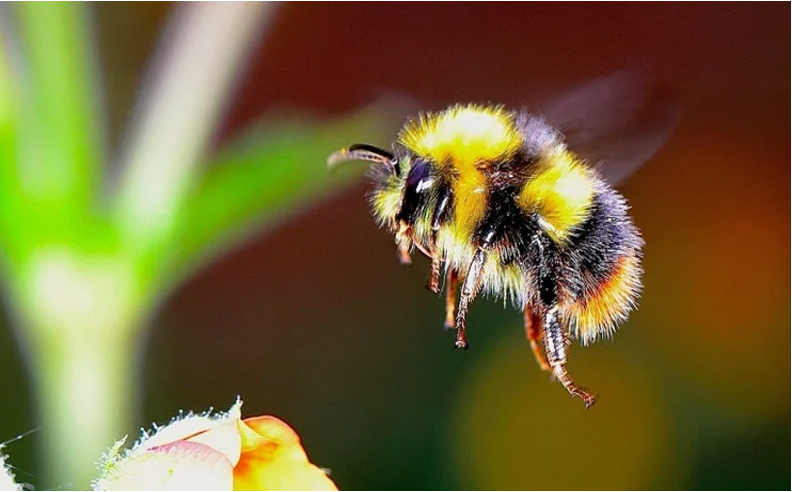
Queen bumblebees (e.g., Bombus terrestris, Bombus impatiens), contrary to common belief, are created with the capacity to sustain life for a certain period even when submerged underwater rather than remaining solely on land. Remarkably, these social insects possess the potential to persist even under conditions that leave them fully submerged. This extraordinary ability, observed in queen Bombus bees and investigated by scientists, is made possible through the combination of several fundamental physiological and behavioral mechanisms. Examining the biological bases underlying this capability enables an understanding of how queen Bombus bees—organisms that play significant roles in the continuity of life on Earth—are created with the characteristics necessary to fulfill these roles.
The first indications that scientific assessments regarding when Bombus bees die when submerged underwater may need to be revised emerged unexpectedly during an experiment conducted in 2024 for an entirely different purpose. Indeed, conservation biologist Sabrina Rondeau, working at the University of Guelph in Canada, was investigating how pesticide residues present in soil affect eastern bumblebees (Bombus impatiens) during hibernation. To simulate winter conditions, Rondeau kept queen Bombus bees in soil-filled tubes inside a laboratory refrigerator. Everything proceeded normally, until one day, upon opening the refrigerator, she observed that some of the tubes had accidentally filled with water due to condensation and that the queens were completely submerged. At first, Rondeau was certain that the bees had died. However, shortly after removing them from the water, she noticed that they began to move. Considering that this might be due to their ability to breathe underwater, she decided, together with her team, to conduct further experiments. The results of this initiative were subsequently announced in an article published on 11 March 2026 in the prestigious journal Biology Letters of the Royal Society in summary:
Diapausing queen Bombus bees are capable of surviving prolonged submergence by profoundly suppressing their metabolic rate, efficiently conserving available oxygen, and, when necessary, supplementing energy production through anaerobic metabolism. (3)
Research has shown that one of the most important factors underlying the ability of queen Bombus bees to survive underwater is the structure and functioning of their respiratory system. Insects generally respire through a network of tubes known as the tracheal system, which transports air to various regions of the body. In queen Bombus bees, this tracheal system is among the factors that enable the maintenance of respiratory processes under submerged conditions for up to approximately one week.
When exposed to water, the spiracles of Bombus bees—small openings that regulate the entry of air into the tracheal system—rapidly close, thereby preserving the internal air sacs. These air sacs may contain a limited volume of air stored within the bee’s body, particularly in cavities of the abdominal region. This retained air enables the bee to utilize its existing oxygen reserves for a certain period while submerged (4). The air within the tracheal system is conserved through spiracular closure, and this limited oxygen reserve can be sustained for a longer duration due to the reduction in metabolic rate. Although these mechanisms differ from those of gill-bearing organisms that directly extract dissolved oxygen from water, they nevertheless prevent Bombus bees from dying immediately upon submersion.
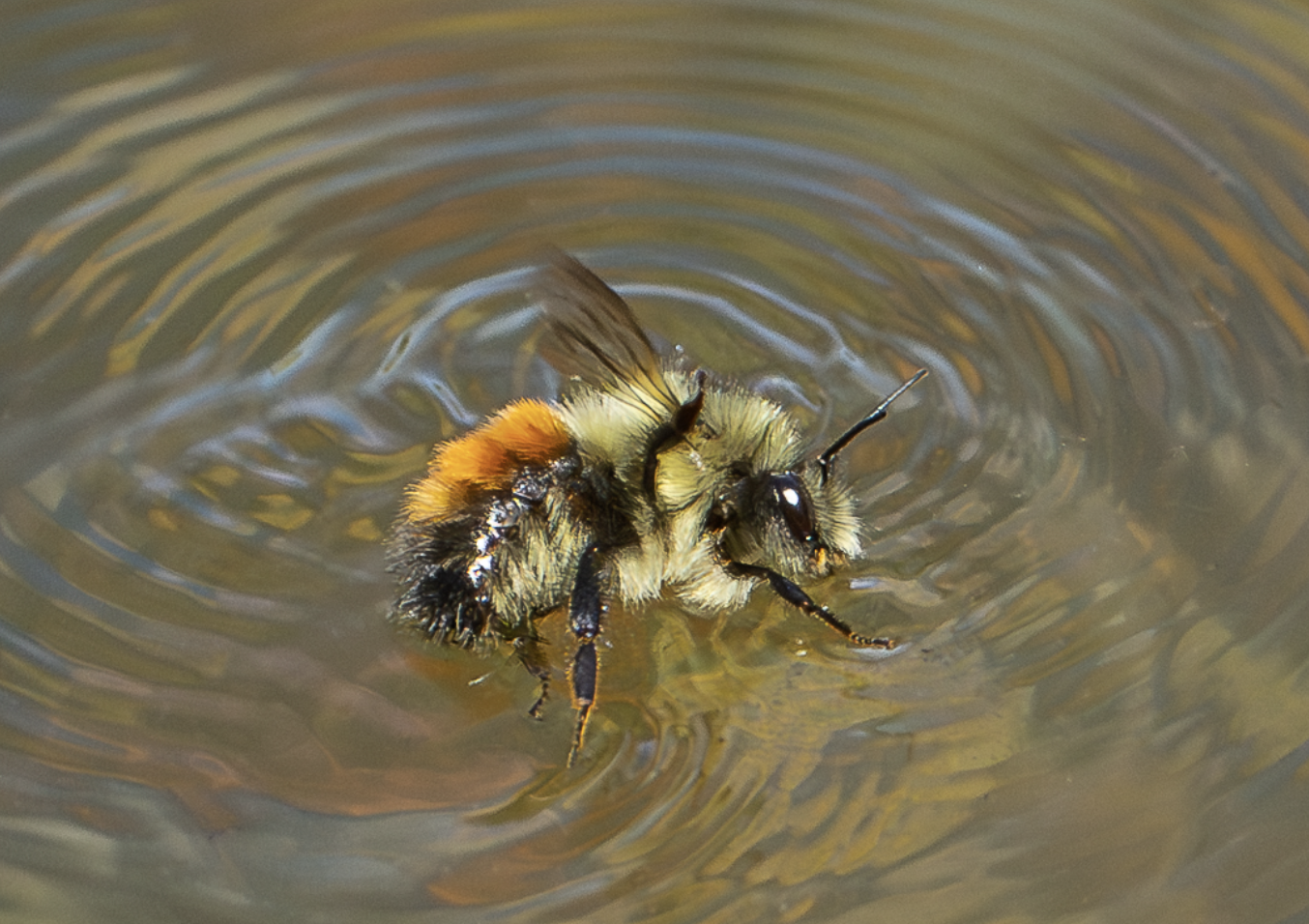
Another critical factor enabling Bombus bees to survive underwater is their ability to reduce their metabolic rate. Under stressful or anaerobic conditions, as in many insect species, queen Bombus bees can lower their metabolic activity, thereby decreasing energy expenditure (5). This facilitates more efficient use of the oxygen present in their bodies and prolongs survival time. In conditions of oxygen limitation, the organism may necessarily shift to anaerobic pathways, continuing to generate energy through the production of by-products such as lactic acid. The reduction in metabolic rate also leads to a decrease in body temperature, which further lowers oxygen demand.
The capacity of queen Bombus bees to survive underwater is thus the result of a series of complex physiological factors. The structure of their respiratory system and their ability to regulate metabolic rate render them resilient under adverse environmental conditions.
Queen Bombus bees establish colonies in the spring after surviving the harsh winter period. If queen Bombus bees had not been created with resilience to flooding that may occur underground during their hibernation, the number of bees within these colonies would undoubtedly be significantly reduced. However, God, the Lord of all the worlds, does not allow such a situation to occur through the attributes He has bestowed upon Bombus bees. This condition not only ensures the continuation of this insect species but also sustains life more broadly. Humans and other living beings are able to access food more easily due to the water resistance of queen Bombus bees. Likewise, as forests remain strong under these conditions, oxygen levels do not decline, and the continued storage of carbon dioxide contributes to the mitigation of global warming. God states in a verse of the Qur'an:
Mankind! Remember God’s blessing to you. Is there any creator other than God providing for you from heaven and Earth? There is no deity but Him. So how have you been perverted? (Surah Fatir, 3)
References:
(1) BioScience, 71(12):1234–1248, p. 1236.
(2) https://mdpi-res.com/d_attachment/sustainability/sustainability-17-02177/article_deploy/sustainability-17-02177.pdf?version=1740991666, p. 8.
(3) Rondeau, S., & Raine, N. E. (2026). Diapausing bumble bee queens avoid drowning by submerged respiration and metabolic suppression. Biology Letters, Royal Society Publishing. (Publication date: 11.03.2026)
(4) Heinrich, B. (1979). Bumblebee Economics. Harvard University Press.
(5) Chown, S. L., & Terblanche, J. S. (2007). Physiological and ecological aspects of insect desiccation tolerance. Journal of Insect Physiology, 53(3), pp. 210–222.