The tongue is a muscular organ in humans that performs vital functions such as tasting, chewing, swallowing, breathing, and speaking. In the animal kingdom, however, the tongue appears not merely as a structure that assists in feeding, but as an extremely specialized and functional organ. Varying from species to species in terms of length, color, surface structure, and mobility, the tongue in many animals serves as a tool that directly enables survival.
While the average length of the human tongue is approximately 7 centimeters and its color is pink, in some animals the tongue can extend beyond the length of the body; in certain species, it also plays critical roles in hunting, defense, communication, cleaning, and navigation. This diversity observed in the animal kingdom clearly shows that the tongue is not a simple structure, but a vital organ created by our Lord with precise measurements and for specific purposes.
Giraffes
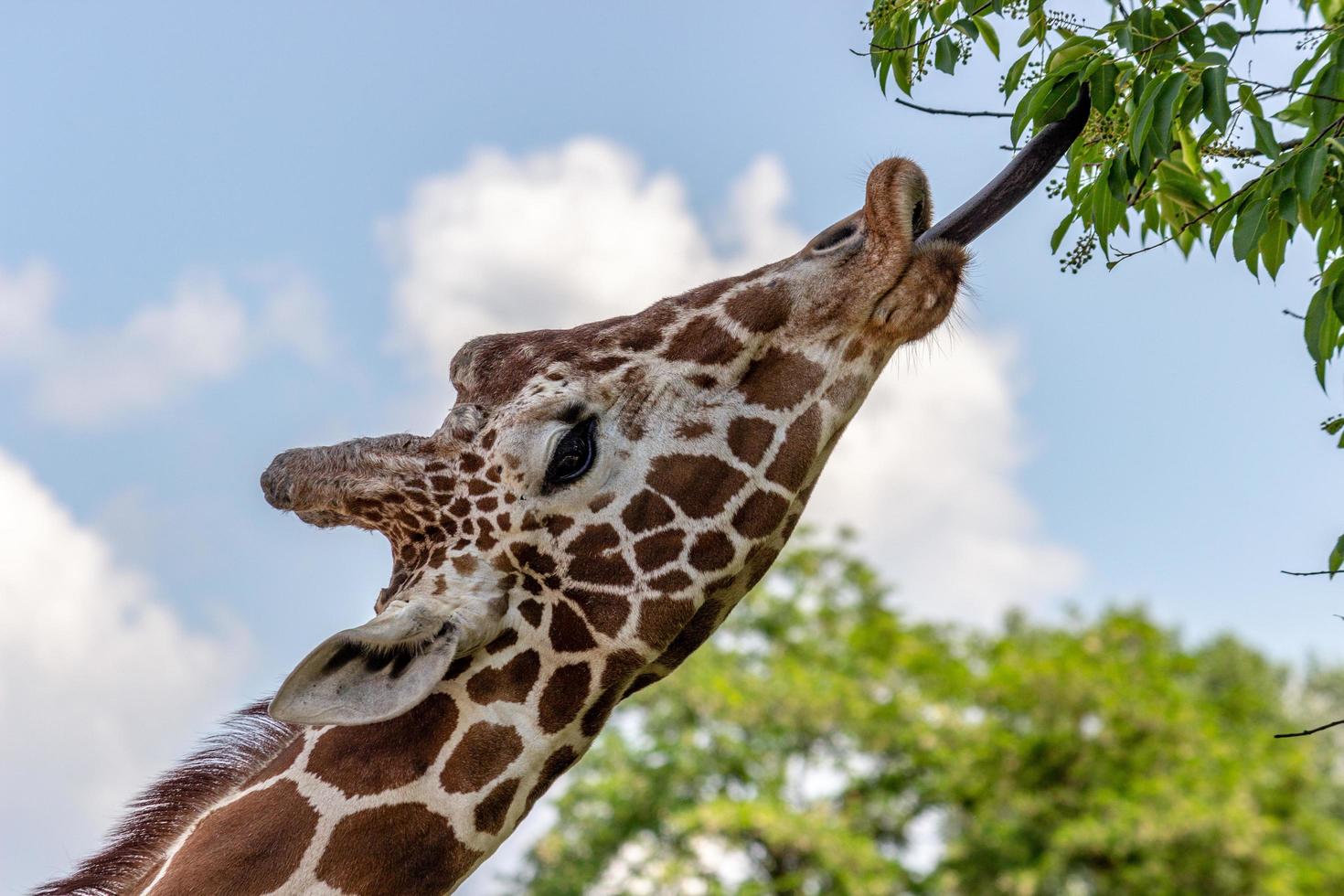
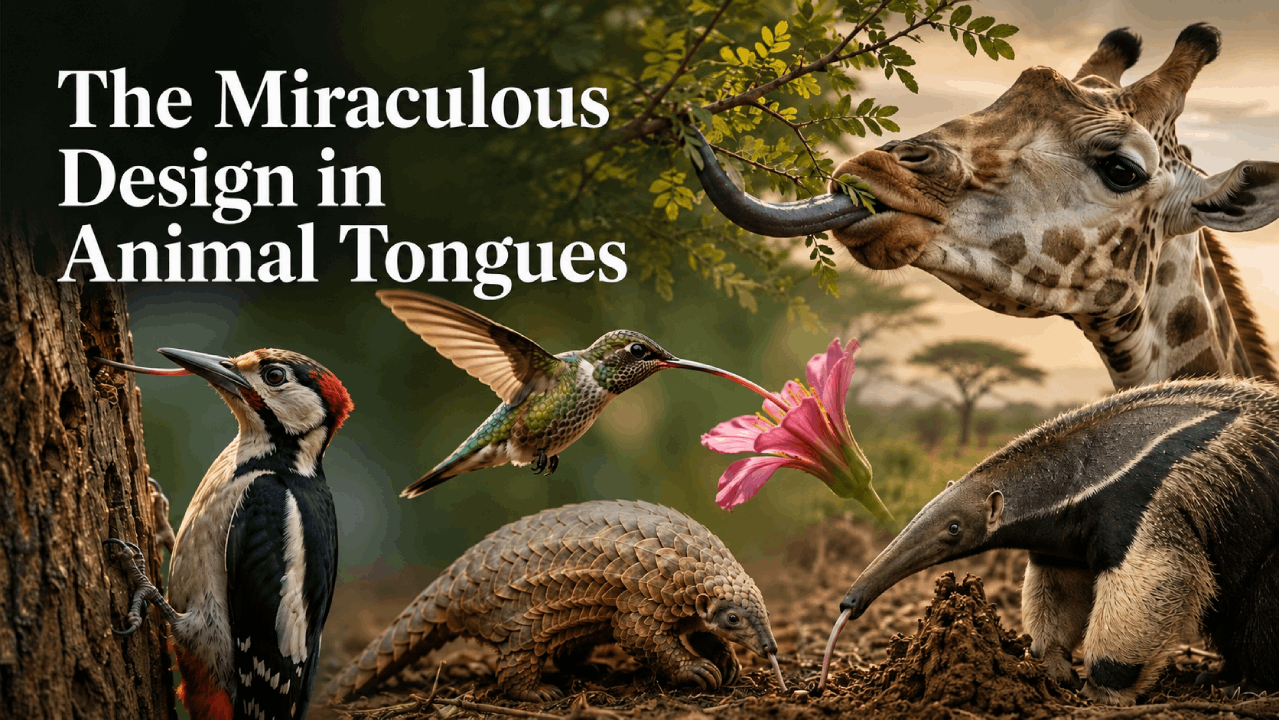
The tongue of a giraffe is approximately 50 centimeters long. It is not pink, but rather a dark purplish-black color. However, the part of the tongue located inside the mouth is closer to a pinkish tone. The reason for this dark coloration on the exposed part is the high concentration of melanin pigment on the tongue’s surface. These pigments function as a natural protection against sunlight. At the same time, the tongue is flexible and prehensile, and it is covered with thick, coarse papillae-like structures, which also protect it from thorns. In addition, it secretes a thick and sticky fluid from the tongue, which has an antiseptic-like property, helping wounds heal quickly and preventing infection. Due to its length, the giraffe can also clean its ears and nose with its tongue. Giraffes spend approximately 12 hours a day feeding on about 35 kg of thorny acacia leaves using their tongues. The fact that the tongue is both long and dark-colored allows it to move easily among thorns, while melanin acts almost like a biological “sunscreen,” preventing damage to the tongue tissue.
Gila Monsters
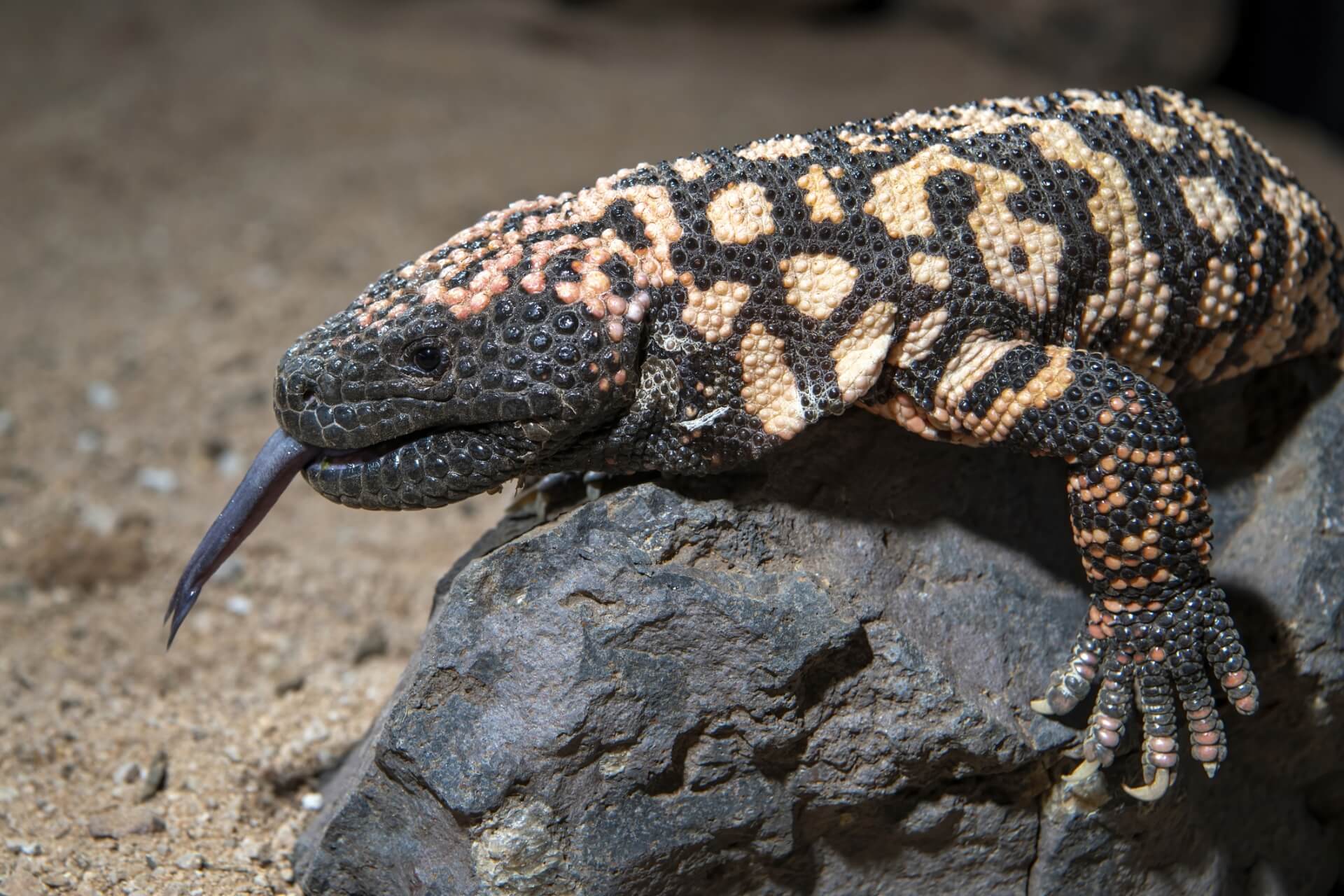
The Gila monster (Heloderma suspectum), a venomous lizard species, chemically “maps” its environment with the precision of a surveying engineer, using its forked tongue. With its thick, black-blue tongue, it collects chemical particles from the air and ground. When the tongue is withdrawn back into the mouth, this chemical information is analyzed by a special structure in the nasal cavity known as the Jacobson’s organ (vomeronasal organ). Through this system, the Gila monster can detect the direction and distance of its prey with high precision from hundreds of meters away. This mechanism functions almost like a three-dimensional olfactory system.
Pangolins
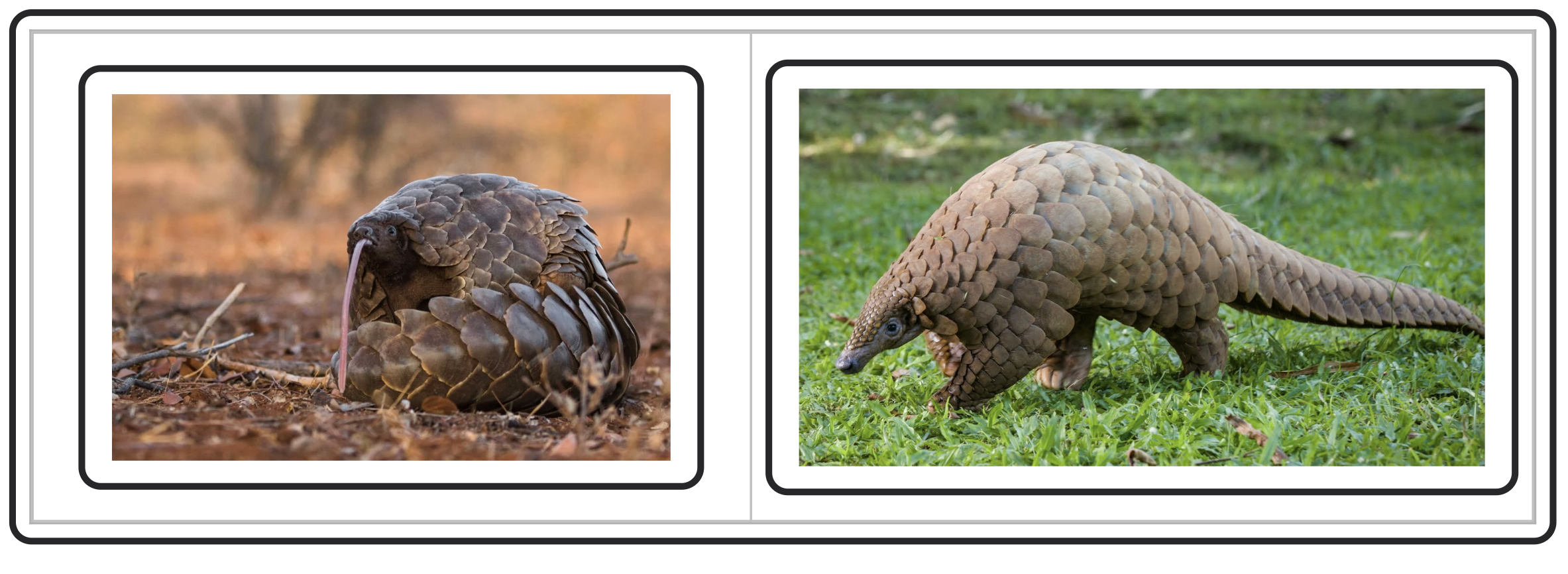
Pangolins, which are scaly mammals, have an unusual tongue structure. The tongue is not attached to the base of the mouth but extends down into the chest cavity, and in some muscular connections it reaches as far as the sternum (breastbone).
When not in use, the pangolin’s tongue remains coiled within the chest cavity. When extended, it can exceed 40 centimeters in length—longer than the animal’s own body length. Coated with sticky secretions, this tongue is specially created to efficiently collect ants and termites from their nests.
Sun Bears
The sun bear (Helarctos malayanus) is the bear species with the longest tongue among all bear species; it can reach approximately 20–25 centimeters in length and has an extremely flexible and sticky structure.
This long and highly mobile tongue is especially used for extracting honey and larvae from beehives. By means of this tongue, which can easily enter and exit narrow spaces and even curl into a tube-like shape, the sun bear is able to access food sources that many other predators cannot reach. Moreover, its thick skin and fur provide a significant degree of protection against bee stings, allowing it to enter hives with relative resilience. This characteristic is the main reason it is commonly referred to as the “honey bear.”

Penguins
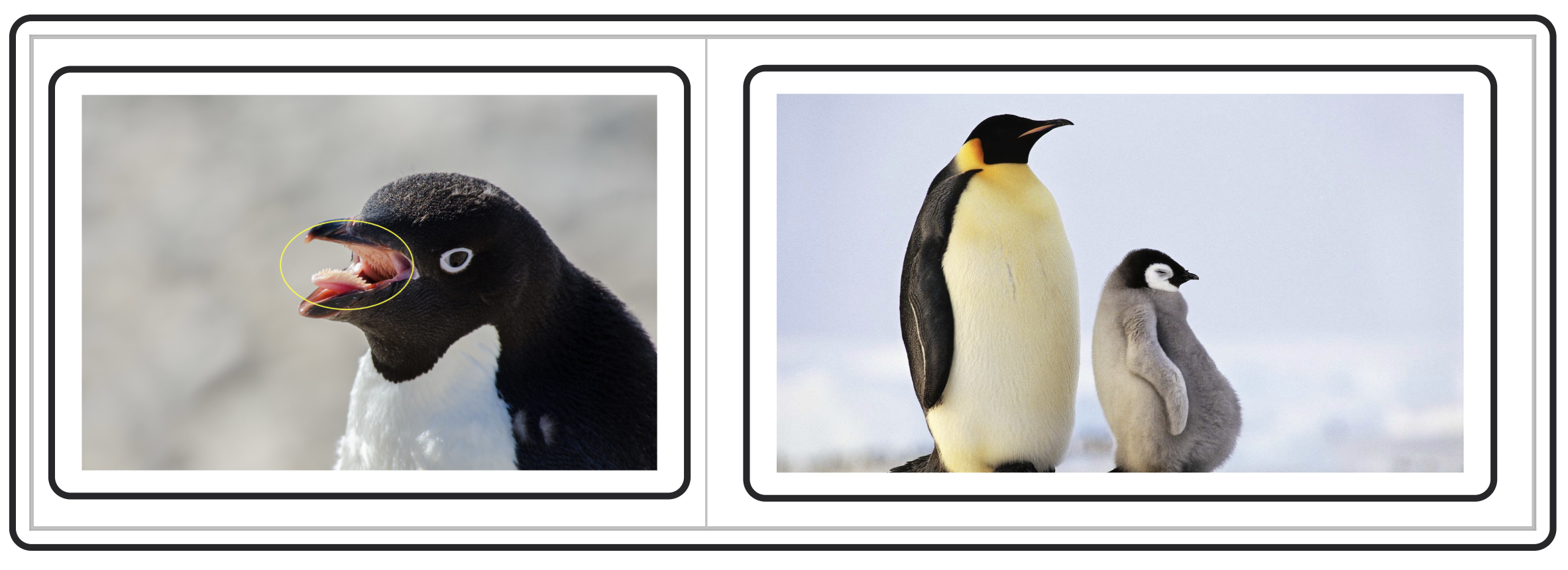
The tongue of penguins is not primarily designed for tasting, but has been extraordinarily structured for holding prey. Penguins do not possess three of the five basic tastes (sweet, bitter, and umami/meaty taste), and can perceive only salty and sour sensations. Their tongues are created in a way suited to the cold Antarctic conditions, and therefore do not contain prominent taste buds on the tongue surface.
In contrast, the surface of the tongue (as well as the palate of the mouth) is covered with hard, large, backward-facing spine-like projections (papillae) made of keratin, the same substance found in human hair and nails. Although these papillae are relatively soft in structure, they appear sharp and function like fishhooks: once slippery fish, krill, or squid enter the mouth, they cannot escape, because these spines only allow movement in one direction—toward the throat.
In addition, these structures work together with the penguin’s strong throat muscles to enable the prey to be swallowed whole; penguins do not chew their food. This “spiny trap” system is presented as a perfect feature in the penguin’s creation for rapid hunting in icy waters.
Red-bellied Woodpeckers

The tongue of woodpeckers is an extremely complex structure in which bone, cartilage, and muscle tissue function together. This structure is supported by a special skeletal system known as the hyoid apparatus; through the superior creation of God, the hyoid bones extend in such a way that they allow the tongue to circulate around the head, forming a flexible mechanism. The tongue is long enough to reach larvae hidden deep within tree trunks—in some species, its length can reach up to one-third of the bird’s body length. However, this length cannot fit within the oral cavity of the bird. Scientific studies have shown that when not in use, the woodpecker’s tongue wraps around the back of the skull and spreads around the head like a spring-like structure. This storage system safely “hides” the tongue by curling it over the nasal cavity and toward the top of the head, allowing it to be extended within seconds when needed. Moreover, the tip of the tongue is equipped with a sticky secretion and small backward-facing barbs; these barbs function like hooks, firmly grasping insects or larvae and preventing their escape. In addition, this mechanism of wrapping around the skull is integrated with a system that absorbs the shock of repeated pecking; the hyoid structure acts as a natural shock absorber to minimize brain injury. Due to this superior creation by God, the woodpecker can peck thousands of times per hour while protecting its brain and precisely controlling its tongue.
Lions
Lions and other felids skillfully use their tongues for both cleaning and grooming. Cat tongues are covered with stiff, backward-facing, hollow keratin projections known as papillae—these structures function like small pieces of sandpaper. These papillae effectively remove dirt, parasites, and dead hair from the fur while also helping saliva penetrate deeply. The cooling effect produced by saliva evaporation helps regulate body temperature, particularly in the hot African savannas. When grooming their cubs, this spiny tongue also acts as a form of massage, strengthening social bonding.

Leaf-tailed Giant Geckos
The leaf-tailed giant gecko (Uroplatus fimbriatus) displays an impressive defensive behavior when it feels threatened: it opens its mouth fully while exposing its bright red tongue and simultaneously emits a sharp, sudden sound. This striking combination of red coloration and sound startles and intimidates potential predators; through this action, the gecko effectively conveys a “I am dangerous” signal. In this way, it often avoids being attacked and quietly retreats from the environment, activating a highly effective deterrence mechanism.
Frogs
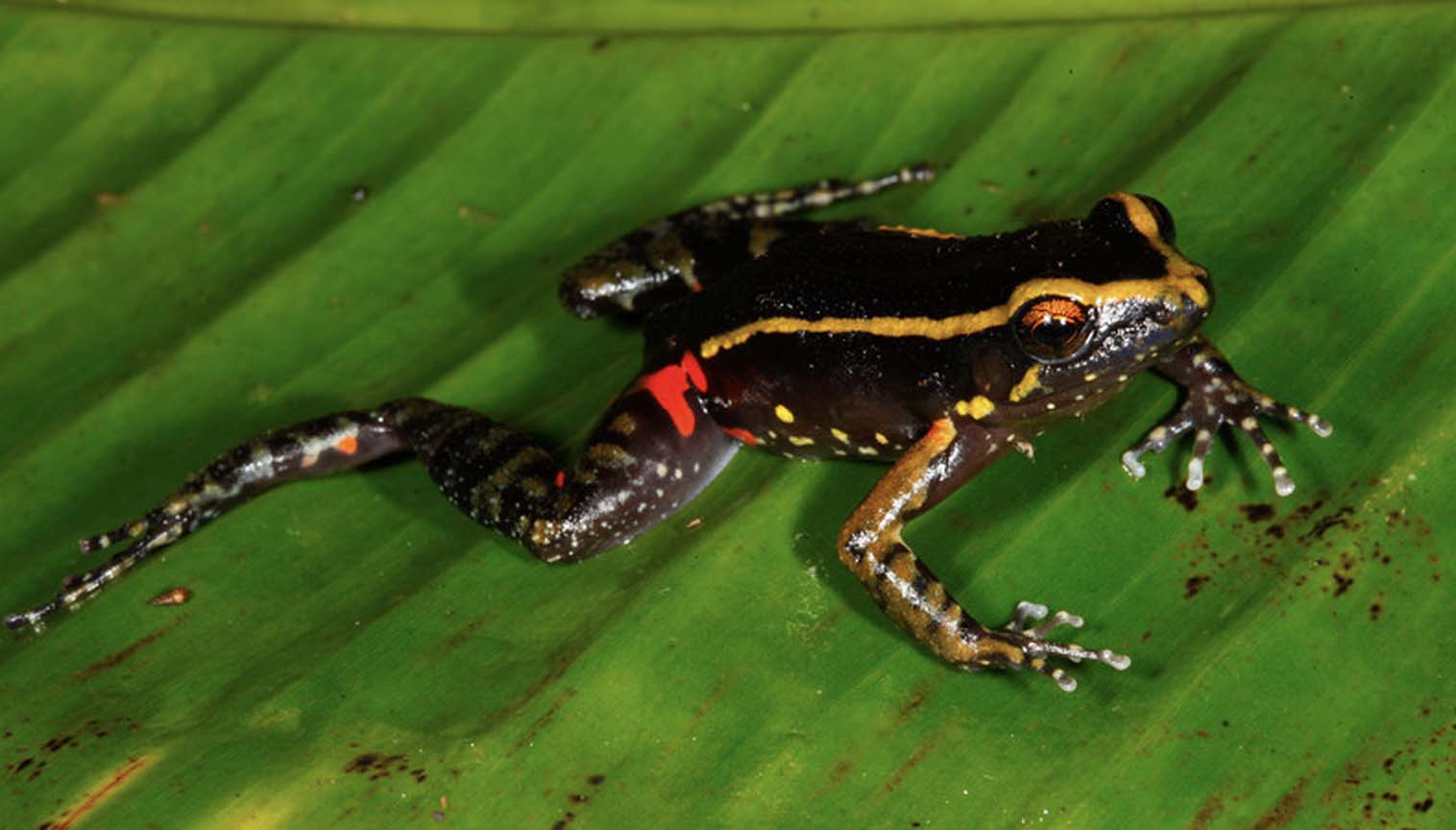
More than 4,000 frog species are capable of capturing their prey with their tongues faster than the blink of an eye—on average in 0.07 seconds. Unlike in other animals, the frog’s tongue is not attached to the rear of the mouth floor but to the front of the lower jaw, allowing it to be projected forward.
When the tongue is launched, it functions with both extreme speed and significant strength. By means of its sticky secretion, it firmly captures prey. For example, the horned frog’s tongue is capable of pulling objects weighing approximately 1.4 times its own body weight. This is presented as an extraordinary example of creation not seen in other living beings.
Parrots
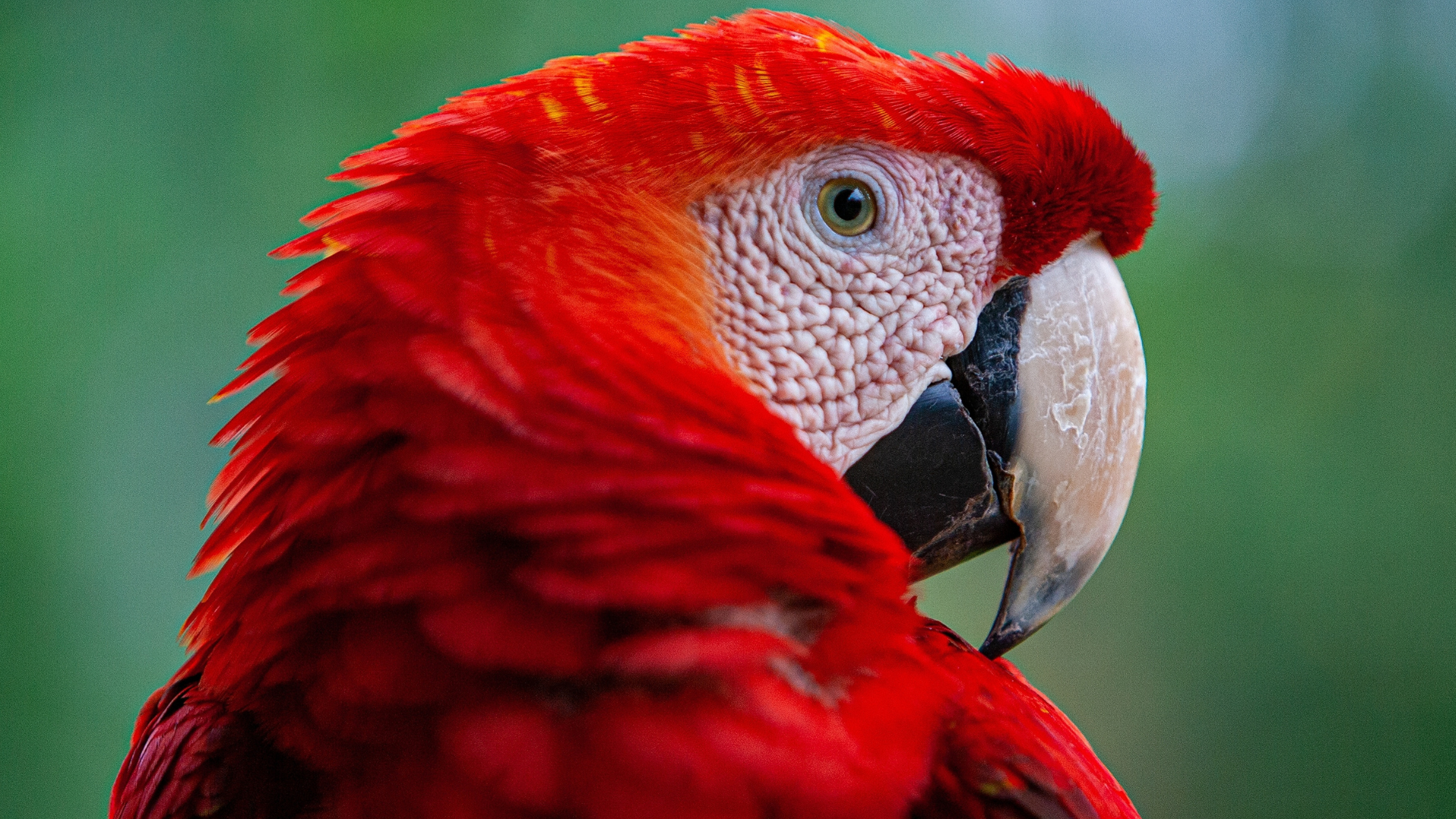
The tongue of parrots, with its thick and fleshy structure, plays an important role in their ability to mimic sounds. Sound production does not occur through vocal cords as in humans, but through a specialized avian structure called the syrinx. The basic sound produced by the syrinx is shaped with the help of the mouth cavity and tongue. Although parrots lack some anatomical structures involved in human speech production, these birds are capable of accurately imitating complex sounds with correct tone and rhythm.
Giant Anteater
The giant anteater (Myrmecophaga tridactyla) is one of the few large mammal species that does not possess teeth. However, it consumes nearly 30,000 ants and termites per day using its extraordinary tongue, which is approximately 60 centimeters long. The tongue is covered with small backward-facing spines and abundant sticky saliva; in using this, insects cannot escape once they become attached. Moreover, the tongue is capable of moving back and forth at an enormous speed of up to 150 times per minute, rapidly emptying ant nests. These features also allow the anteater to collect insects within seconds from the openings it forms with its powerful claws.
Hummingbirds
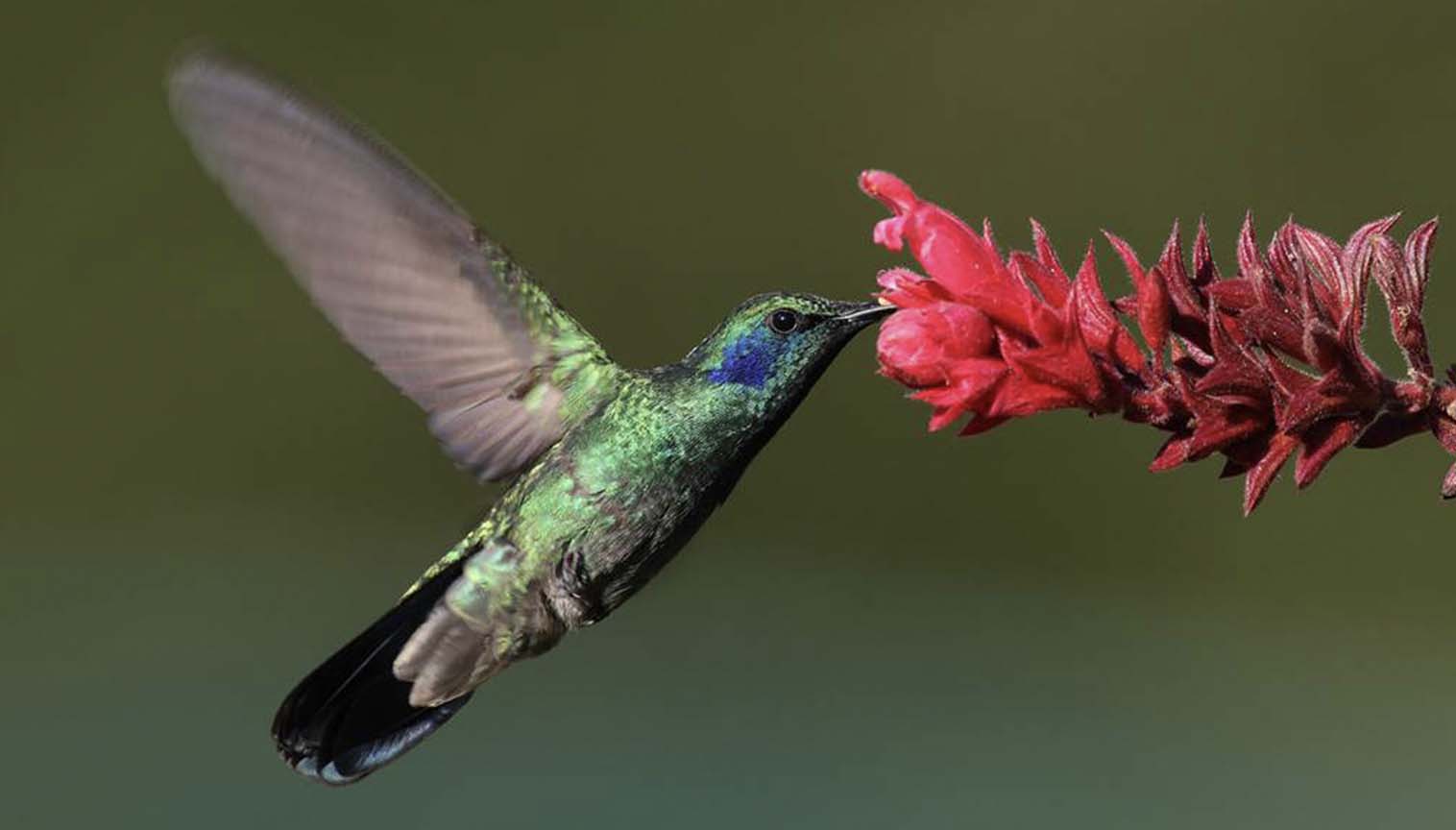
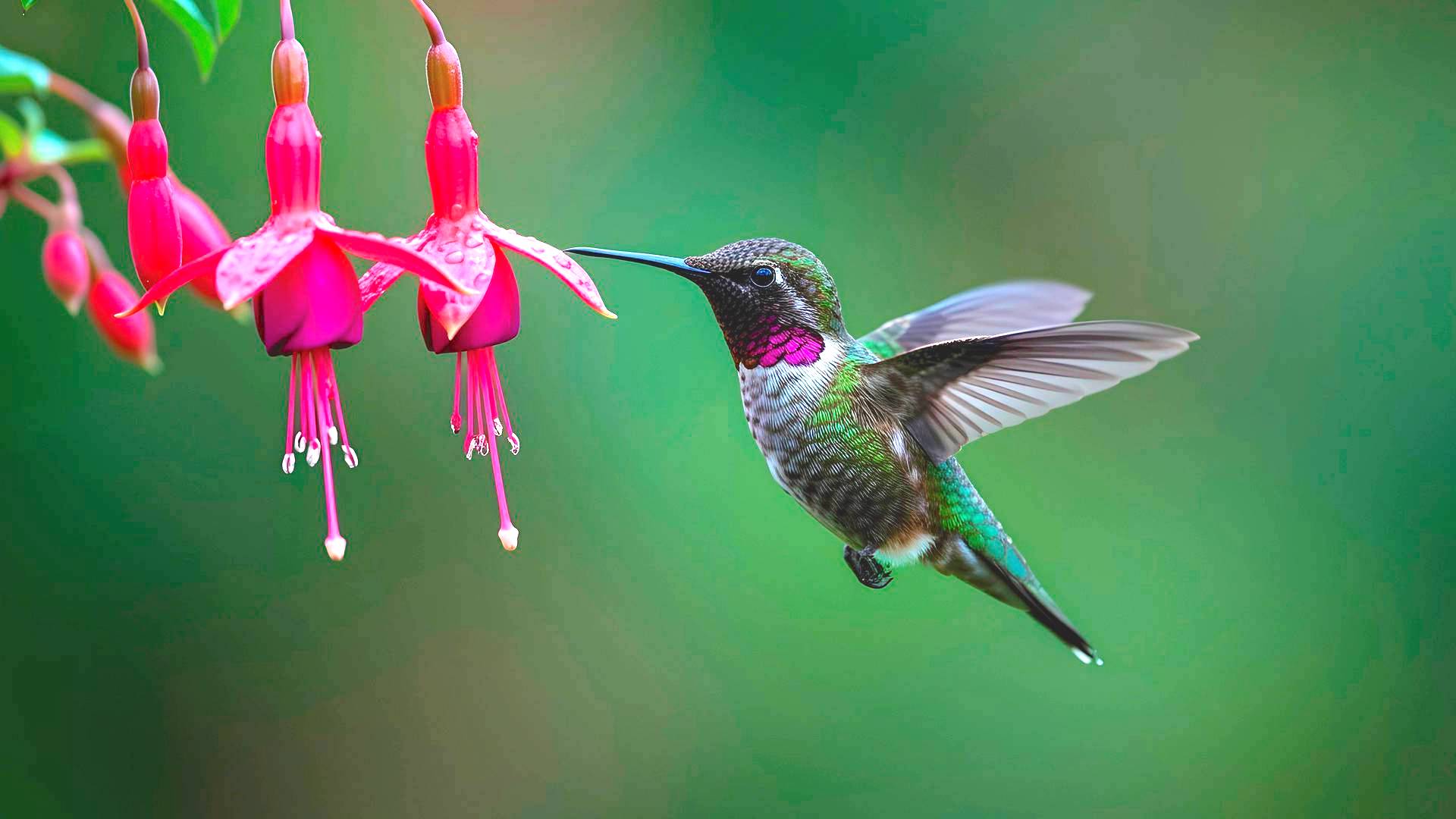
The tongue of hummingbirds has a specialized structure that allows it to reach the deepest nectar within flowers. This thin and long tongue functions like a micro-pump thanks to its split tip; it not only absorbs nectar but actively draws it in. This mechanism is supported by the tube-like folding of the tongue and internal grooves, enabling it to enter and exit flowers dozens of times per second. In this way, these tiny birds, which possess one of the fastest metabolisms in the world, obtain the high-energy “fuel” they need in a very short time.
The specialized designs observed in the tongues of living beings are not the product of chance, but of a conscious and purposeful creation full of wisdom. Every living being has been created together with the knowledge required to use its tongue in the most appropriate way. This demonstrates that life-sustaining systems did not arise through blind processes, but through the knowledge of Almighty God, Who creates and governs everything. All living beings in nature are clear evidence of the unlimited creative power of our Lord. Almighty God states in the Qur’an that He encompasses all things with His knowledge as follows:
“The keys of the Unseen are in His possession. No one knows them but Him. He knows everything in the land and sea. No leaf falls without His knowing it. There is no seed in the darkness of the earth, and nothing moist or dry which is not in a Clear Book.” (Surah Al-An’am, 59)
Source: Live Science, “20 Amazing Animal Tongues”, https://www.livescience.com/animals/20-amazing-animal-tongues