When we look at the human body, we generally see only the large structures before our eyes. We know our heart, lungs, brain, hands and eyes. However, the true magnificence of our body emerges on a scale invisible to the naked eye, in the world of cells and molecules. The immune system is one of the most striking examples of this.
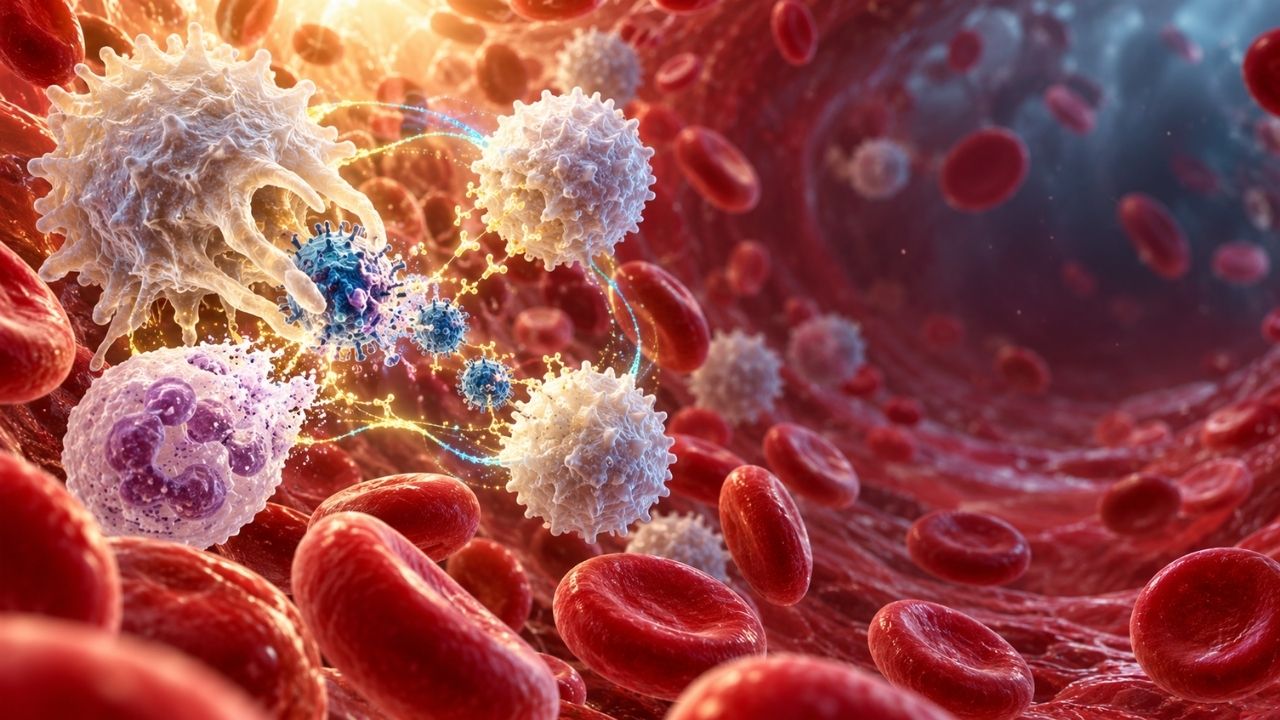
Within our body is an extraordinary defense system that is constantly at work. This system has cells that undertake different duties, communication mechanisms, recognition systems, defense tools and ‘ceasefire’ mechanisms that go into action when the battle is over. The immune system may be compared to a highly advanced defense army that monitors every part of the body. Antibodies are among the special weapons of this army.
Yet there is a far more astonishing fact here that needs to be considered in particular:
The duty of the immune system is not merely to attack. Refraining from attacking when necessary is also one of the duties of the immune system.
Research on the Etv3 protein reveals an important part of this extraordinary balance.
The Most Important Attribute of a Defense Army: Knowing Whom to Attack
Let us imagine an army. It is of course important for this army to recognize the enemy. Yet there is an even more important attribute: The army must not mistake its own people for the enemy.
If the soldiers of a country cannot distinguish friend from foe and begin attacking their own cities, then even possessing the most powerful army in the world would mean nothing. The immune system works in a similar way.
There are trillions of cells in our body, and a significant portion of them assume duties at different stages of the defense system. Yet it is not sufficient for this system merely to be powerful. It must also be measured and controlled. That is because the great majority of the cells in our body are not foreign, but our own cells. Therefore, the immune system must recognize and neutralize bacteria, viruses and other harmful elements on the one hand, while not harming its own tissues on the other.
This second duty is immune tolerance, in other words, the immune system not producing an unnecessary and harmful reaction against the person's own tissues. It is precisely here that the miracle highlighted by the Etv3 research emerges.
Dendritic Cells: The Sentries of the Immune System
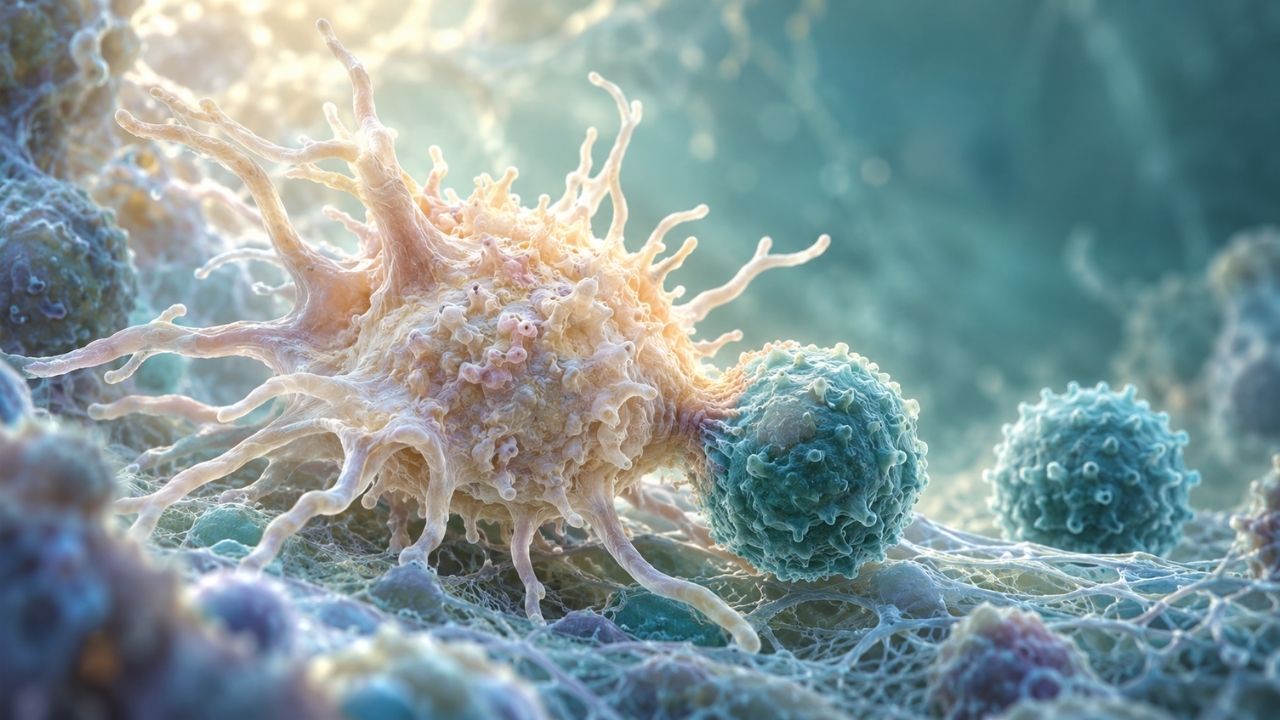
Dendritic cells are special cells that act as the intelligence and coordination units of the immune system, so to speak. These cells capture foreign substances, present the antigenic information they obtain from them to T cells and thus contribute to directing the immune response.
However, the duty of dendritic cells is not merely to mobilize the immune system. They have another duty that is at least as important:
Not producing an immune response unnecessarily.
In other words, these cells contribute not only to issuing the message “Attack!” but also to generating the signal “Do not attack!” when necessary.
This fact alone is evidence of creation that needs to be reflected upon at length. That is because what is in question here is not a simple defense, but a highly sensitive system in which many stages, such as recognition, discrimination, communication, decision-making and maintaining balance, work together.
The cells in the immune system constantly communicate with one another by means of molecular signals and produce different responses according to the needs of the body. Let us now consider this extraordinary system from the perspective of Etv3.
Etv3: The Fine Adjustment Between "Attack" and "Tolerance"
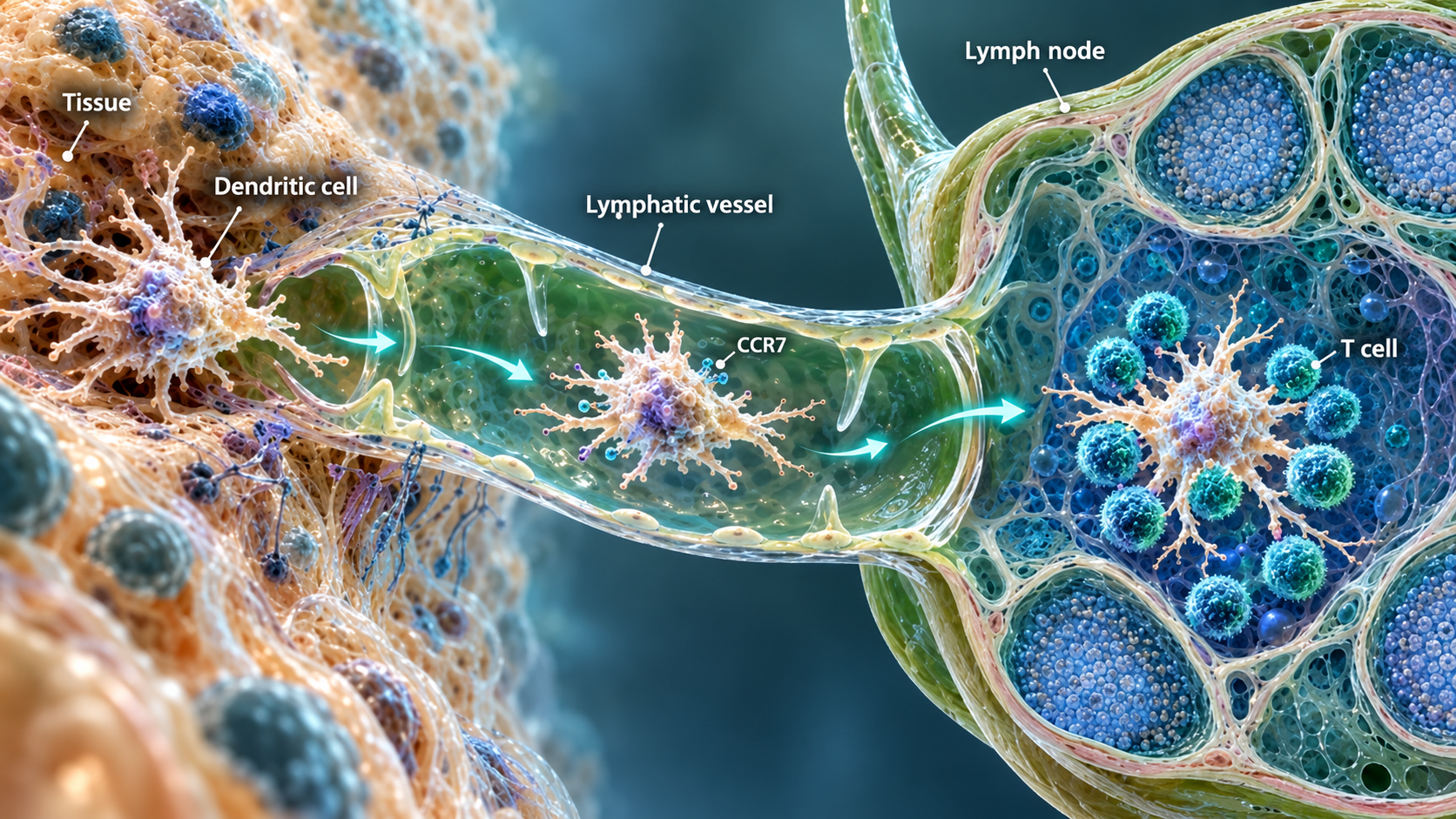
Etv3 (ETS variant transcription factor 3) is a type of protein (a transcription factor) that regulates the immune system, controls the functioning of genes and is found in high concentrations in dendritic cells that have completed their duties (matured). Research shows that it plays an important role particularly in migrating dendritic cells, in other words, migratory dendritic cells.
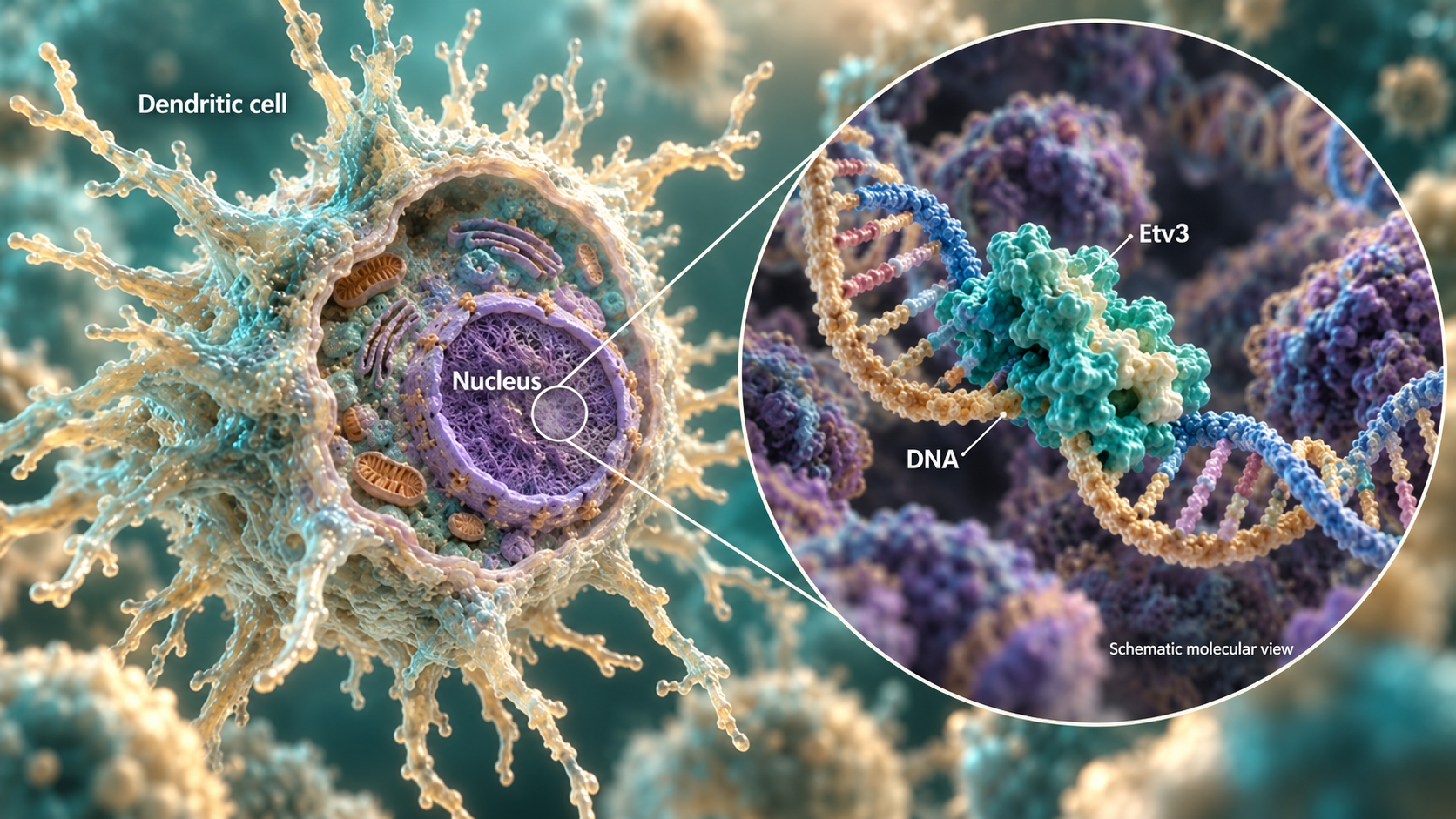
This detail is exceedingly striking. That is because when the dendritic cell matures, it does not merely remain in the region where it is located. By means of molecular guidance mechanisms such as CCR7, it migrates toward the lymph nodes. Here it communicates with T cells and influences how the immune system will behave.
When the Etv3 level declines, however, some aspects of this order are disrupted. Research has shown that;
• CCR7 levels may decline,
• the migration of dendritic cells may be impaired,
• the number of migratory dendritic cells that contribute to the establishment of tolerance may decline.
The point that astonishes one here is this: A change in the amount of a protein can affect the behavior of a cell, while a change in the behavior of the cell can affect the overall balance of the immune system.
This shows that life does not merely consist of independent parts coming together; on the contrary, there is an extraordinary organization in which a great many elements work in harmony with one another.
It Is Not Number, but Duty That Matters
One of the striking results of the research concerns regulatory T cells, in other words, Treg cells.
Although the number of Treg cells may increase in Etv3 deficiency, impairments may occur in the functional characteristics of these cells. The life spans of the cells may be shortened, and they may fail to sufficiently perform their suppressive duties. This reveals a very important fact:
In life, it is not merely number, but the correct structure and the correct duty that are essential. The mere presence of the parts that make up a cell is not sufficient. These parts must function at the right time, in the right place and in the right quantity.
When one considers how proteins are produced inside the cell, how they are transported and how they are delivered to the regions where they will perform their duties, the extraordinary nature of this organization can be better understood. Approximately 300 macromolecules are coordinated in protein synthesis, and a single deficiency in this system can disrupt the production chain.
Therefore, it is not sufficient to regard Etv3 merely as ‘a protein.’ The biological significance of a protein emerges together with the cell in which it functions, when and in what quantity it functions, and within which molecular network it performs its duty.
When Etv3 Is Absent, the Defense System Turns Against Its Own Body
One of the most striking results of the research is the condition that emerges over time in mice with Etv3 deficiency.
When order is disrupted, T cells may become spontaneously activated, and the immune system may subsequently produce a harmful reaction against the individual's own tissues. As a result, inflammatory processes may emerge in various organs.
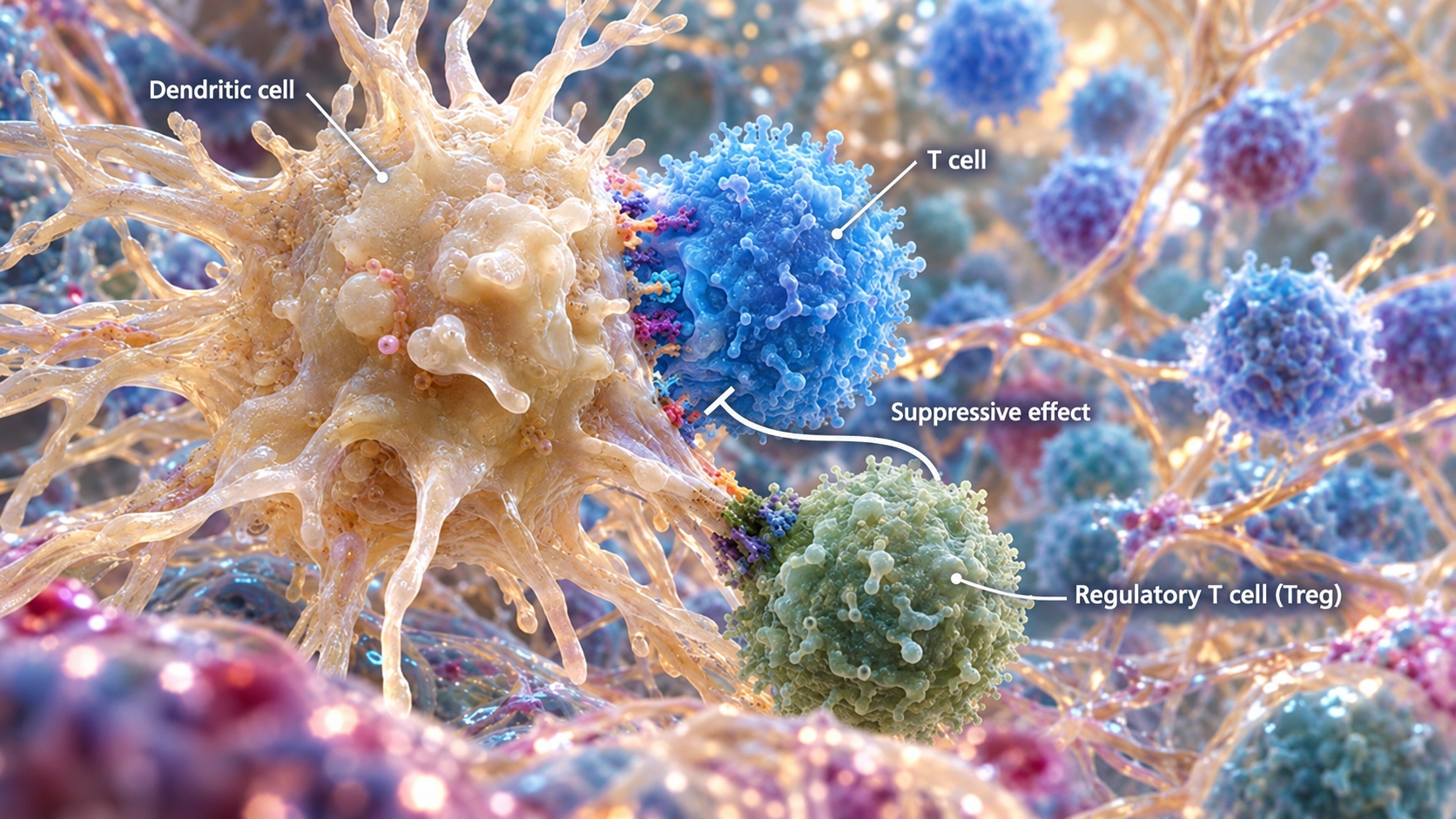
In other words, when the fine adjustment of the defense army regarding the “distinction between friend and foe” is disrupted, the defense system can harm the very body it is supposed to protect.
This shows us a very important fact:
The perfection in the immune system lies not only in its ability to attack, but also in its ability to halt its attack when necessary.
Following the battle, suppressive T cells go into action and issue the equivalent of a "ceasefire" order to the defense army. In this way, once the battle is over, the immune system is prevented from unnecessarily remaining in a state of mobilization. There is indeed an awe-inspiring order here:
On one side, cells that identify the enemy...
On the other side, cells that carry out the attack...
Then cells that keep the attack under control...
And among all of these, a constant exchange of information...
While each of these has limited meaning when considered separately, when they work as a whole, they form a flawless system that contributes to the continuation of life.
One of the Most Striking Molecules: OX40L
Another important component of the mechanism in the Etv3 research appears as OX40L (OX40L/TNFSF4).
According to the findings reported, in Etv3 deficiency, NF-κB-related regulation in dendritic cells may be disrupted; together with cholesterol accumulation in the cell membrane and changes in certain co-stimulatory molecules, OX40L levels may rise.
What is even more striking is this:
OX40L, which should normally rise during infection, may be produced at high levels in Etv3 deficiency even though there is no infection. As a result, T cells may be activated unnecessarily and the regulatory functions of Treg cells may be impaired.
The fact that some impairments in Treg cells were corrected to a significant extent when researchers blocked OX40L shows just how sensitive a molecular balance the system is founded upon.
Here we witness how a tiny molecular change can affect the balance of the entire organism through communication between cells. This situation once again reminds us of an important fact that appears at every level of life:
No detail in a cell is uncontrolled.
Proteins are not merely produced; they are also transported to the regions where they will perform their duties by special mechanisms, and they function as specific parts of the complex system within the cell.
Why Is This System a Miracle of Creation?
Because what we see here is not merely ‘a complex biological event.’ Here there is information, order, division of labor, communication, recognition and control.
Even in an advanced defense system designed by man, there are;
• sentries,
• intelligence units,
• communication networks,
• command centers,
• assault units,
• defense mechanisms,
• ceasefire mechanisms that halt the system when necessary.
Each of these has specific duties.
So how did this system, made up of cells and molecules inside the human body that are too small to be seen with the naked eye, come into being?
Moreover, these cells have received no training, held no meetings with one another and prepared no engineering project.
Despite this:
One cell recognizes another.
One molecule binds to another molecule.
One protein detects a specific signal.
One cell migrates to the lymph node.
Another cell supports the duty of Treg cells.
Another molecule strengthens the immune response.
And yet another mechanism contributes to keeping this response under control when necessary.
The fact that proteins perform duties such as communication, recognition, transportation and regulation reveals an organization too comprehensive to be explained by the random movements of unconscious atoms. This intelligence and order are a manifest reflection of God's Creation.
The Vast Information Behind a Protein
Etv3 itself is, after all, a protein.
However, when we hear the word ‘protein,’ it would be a grave error to think that it consists merely of an ordinary chemical substance.
For a protein to come into being, numerous stages must take place in harmony with one another, such as the information in DNA being read, RNA being produced, ribosomes and other molecular mechanisms operating, amino acids being joined together in the correct sequence and the resulting protein being folded into the proper form.
Moreover, the process does not end after the protein has been produced. The protein must be transported to the place where it will function and must fulfill its assigned duty there.
All of this takes place within the microscopic domain of the cell.
Therefore, Etv3 must not be considered separately from this vast system. In order for a single Etv3 molecule to fulfill its duty, the cell that produces it, the genetic information of that cell, protein synthesis mechanisms, molecular communication systems and other components within the immune network must work together.
Consequently, what we have before us is not a protein on its own, but an immense organization consisting of numerous interdependent systems, a vast interdependent system of creation.
Another Astonishing Aspect of the Defense System
One of the awe-inspiring features of the immune system is its capacity to recognize foreign substances.
Antibodies can exhibit immense diversity, and the immune system can develop appropriate responses even against certain molecular structures it has never encountered before.
Here, two great facts must be considered together:
The system must recognize the enemy.
But at the same time:
It must also recognize itself.
Research into Etv3 and immune tolerance makes the second fact particularly evident.
The true success of a defense system is revealed not merely in the multitude of weapons at its disposal, but in its knowing when to use those weapons. The fact that disruptions in this balance may be associated with autoimmune diseases also demonstrates the importance of the subject.
For example, Lupus (Systemic Lupus Erythematosus - SLE) is a chronic autoimmune disease in which the immune system mistakes the body's own healthy tissues and organs for foreign entities and attacks them. The cited research states that certain ETV3 genetic variants in humans have been associated with systemic lupus erythematosus (SLE), and that ETV3 expression was found to be lower in the dendritic cells of individuals carrying certain variants associated with SLE.
It is also reported that Etv3 deficiency in mice aggravates TLR7-mediated lupus-like disease. All these findings indicate that Etv3 may contribute to maintaining the balance between tolerance and autoimmunity in the immune system.
Immune tolerance is the state in which the immune system does not display a harmful response to a particular substance or cell. This process of immune tolerance prevents the body from attacking its own healthy tissues.
Science investigates for us the molecular processes in which Etv3 plays a role. Yet this research also raises the following question: How did this system, which brings such a delicate balance into being, enables cells to communicate with one another, directs them to the right place at the right time and enables the defense system both to fight and, when necessary, to stop, come into existence?
The answer is clear for a person who has faith:
God created it.
Why Is the Evolutionists' Claim of ‘Chance’ Impossible?
Just as it would be meaningless for there to be only one rule at the entrance to a security system, such as “let everyone who comes enter” or “attack everyone who comes,” the immune system's being founded solely upon attacking would not have been sufficient for the continuation of life.
The system has to do far more at the same time:
Recognize, distinguish, communicate, take action, migrate, regulate the attack, stop when necessary and avoid harming its own tissues.
The fact that all these functions are carried out in an interconnected manner within the same organization shows that life contains exceedingly comprehensive information and order.
Just as a book does not write itself, a computer program does not come into being by itself either. In the same way, it is impossible to explain the molecular organization that operates interdependently within the cell through the random movements of unconscious atoms. Where there is order, one must reflect upon the existence of a superior knowledge and power that brings this order into being.
CONCLUSION: Tolerance in the Defense System Is Evidence of Creation
The picture revealed by the Etv3 research shows what a delicate balance the immune system operates upon.
Etv3 appears before us as one of the important components of an order associated with;
• the appropriate functions and migration of dendritic cells,
• CCR7-mediated guidance,
• the regulation of dendritic cells that contribute to the formation of tolerance,
• the functional integrity of Treg cells,
• the control of molecular communication points such as OX40L.
When this order is disrupted, the defense system may turn against its own body, which it should protect. This means that the defense system created by God is not only powerful; it is also measured and controlled. It is not merely combative; it also possesses mechanisms capable of stopping the attack when necessary. It does not merely recognize the enemy; it also succeeds in displaying tolerance toward its own tissues.
This magnificent system in the human body once again shows us the perfection in God's creation.
It is revealed in the Qur'an:
"Does He Who created not know? He is the All-Pervading, the All-Aware." (Surat al-Mulk, 14)
Indeed, man lives without being aware of a very large part of these events taking place in his body. At every moment, cells migrate, proteins are produced, molecules communicate with one another, defense cells inspect different regions of the body and an immune response is initiated when necessary. Yet perhaps the most astonishing fact is this:
The prevention of a war from beginning is as much a miracle of Creation as the beginning of a war.
Etv3 and immune tolerance thus reveal a small but exceedingly impressive example of this magnificent measure created by God within the human body. When one reflects upon such a system, one must not content oneself merely with the question, “How does the immune system work?” One must also ask the deeper question:
Who created all of this?
This question is an important key that leads man, beyond scientific details, to reflect upon the Fact of Creation. The answer to this question is clear:
It is God Who created us, our bodies, our cells, our proteins and the systems that enable them to operate in perfect order.
For that reason, whenever man looks at every detail in his own body, he must strive to see God's knowledge, power and mercy; he must give thanks to Him and reflect deeply upon the evidence of creation.
In the Qur'an, what men of understanding say as they reflect upon Creation is related as follows:
"Those who remember God, standing, sitting and lying on their sides, and reflect on the creation of the heavens and the earth, [saying]: ‘Our Lord, You have not created this for nothing. Glory be to You! So safeguard us from the punishment of the Fire.’" (Surah Ali `Imran, 191)
This extraordinary order of defense and tolerance in the immune system once again shows us that the perfect harmony we see in living things is one of the manifestations of God's superior knowledge and power. Every new discovery taking place in the depths of the human body is an occasion to reflect further upon this creation.