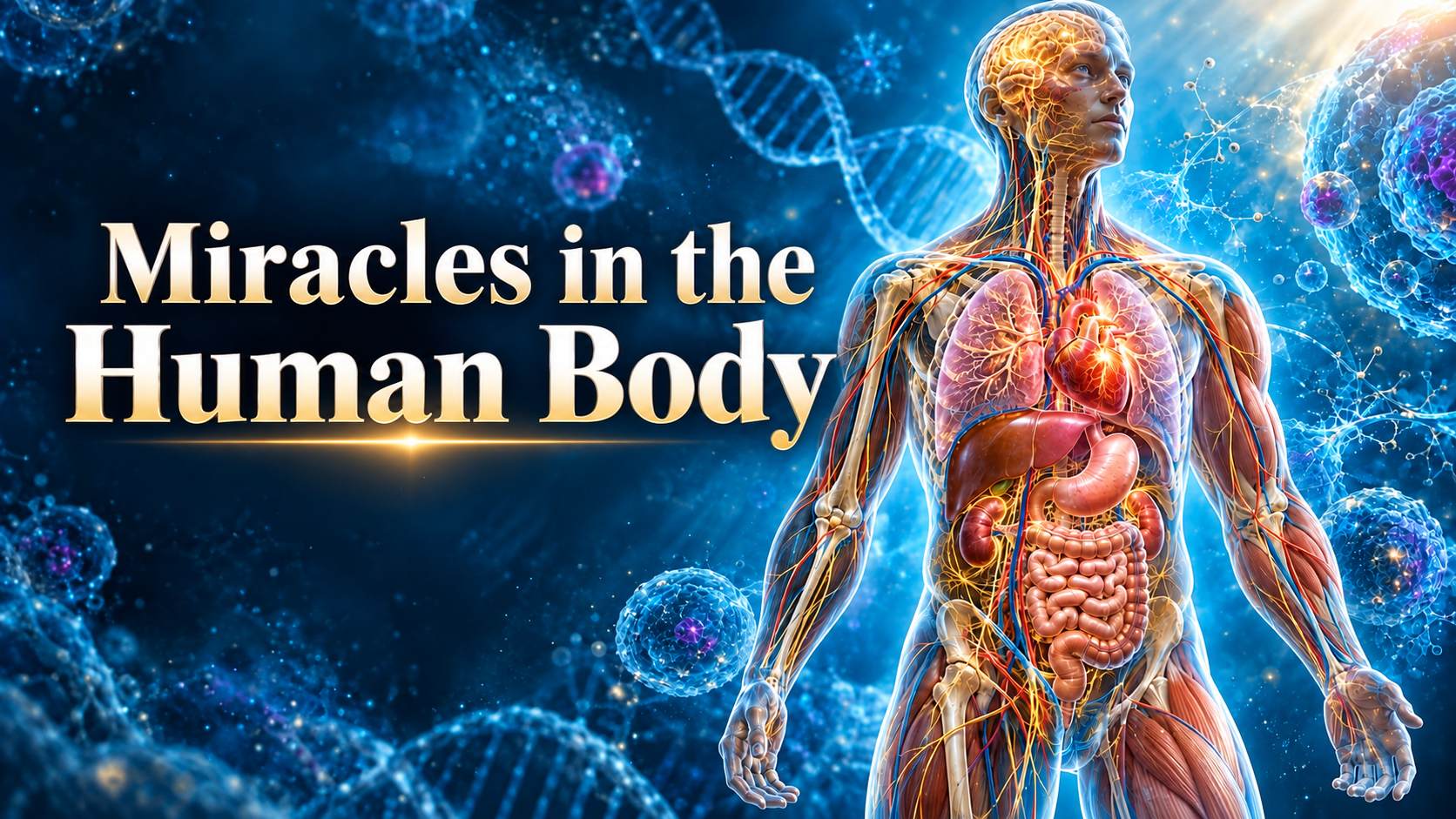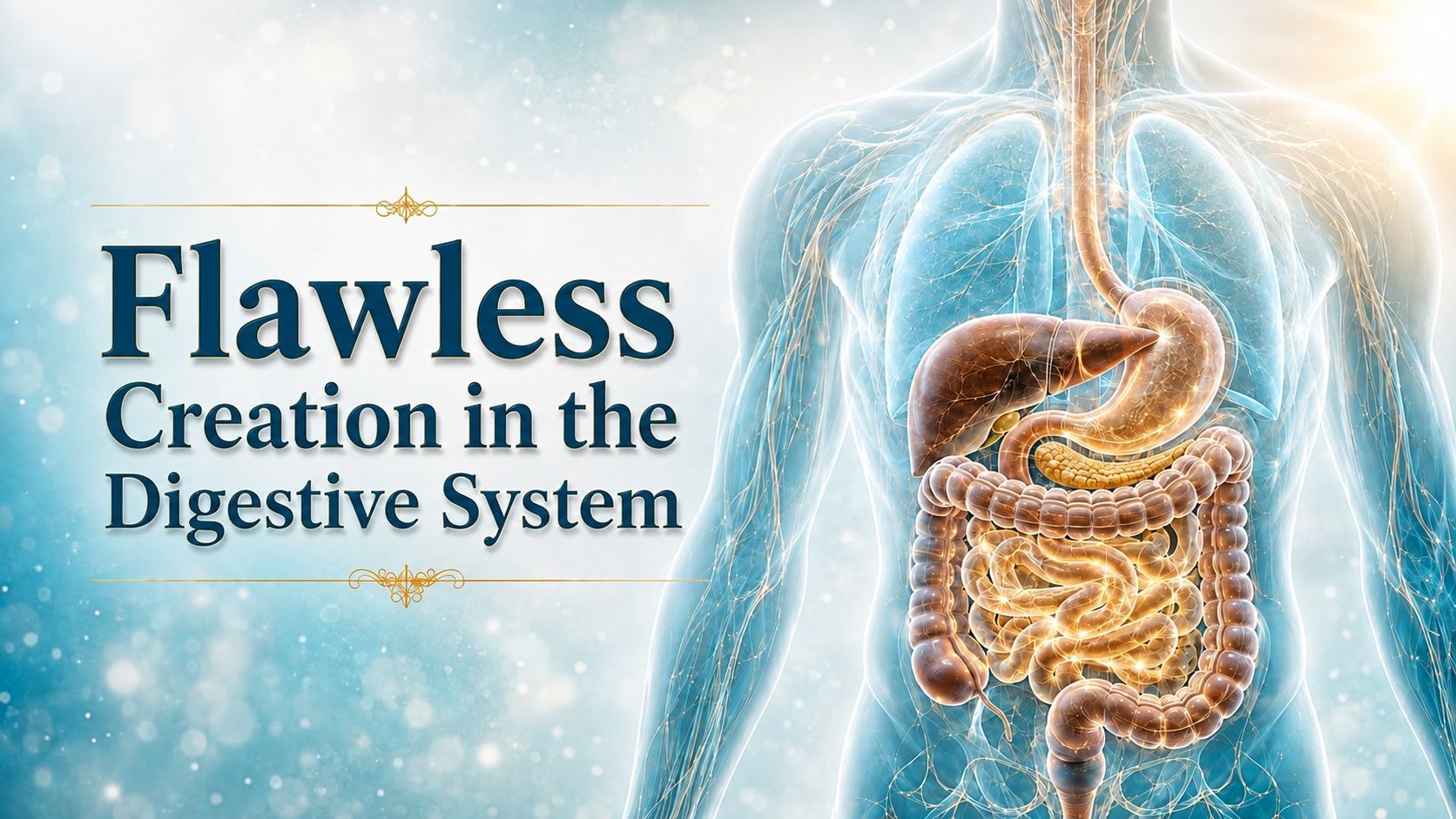
The human digestive system consists of many organs that extend from the mouth to the anus and work together in perfect harmony. This system enables food to be broken down, beneficial substances to be absorbed and unnecessary waste to be removed from the body.
The teeth in the mouth have been specially created to perform different tasks. Incisors bite off food, canine teeth tear it apart, and molars grind it. The salivary glands also secrete enzymes that facilitate swallowing and initiate digestion. This order, seen at the very first stage of digestion, is the product of exceedingly delicate planning (Martini et al., 2020).
Enzymes and Hormones Work in Perfect Harmony
The enzymes and hormones that function in the digestive system are secreted in appropriate amounts according to the structure of the food consumed. While the stomach produces the enzyme pepsin to break down proteins, the pancreas secretes different enzymes for the digestion of carbohydrates, fats and proteins. All these biochemical processes take place with extraordinary timing and in a delicate balance. (Berg et al., 2002)
There Is, as It Were, a Second Brain in Our Intestines
The digestive system possesses an extensive network of nerves known as the "enteric nervous system." This system, consisting of millions of nerve cells, is in constant communication with the brain, yet it can also perform many of its functions independently. The movement of food, muscular movements and regulation of secretions all operate with perfect automation, without any human intervention. (Furness, 2012)
Foods Are Recognized and Broken Down One by One
The foods we eat are processed in detail by the digestive system. Proteins are converted into amino acids, carbohydrates into glucose, and fats into fatty acids and glycerol. Vitamins, minerals and other nutrients are also absorbed according to the body's needs and transported to the necessary tissues. (Guyton & Hall, 2021)
Beneficial Microorganisms in Our Intestines
Trillions of beneficial bacteria living in the intestines contribute to digestion, prevent harmful microorganisms from multiplying and support the healthy functioning of the immune system. Maintaining this delicate microbial balance is of vital importance to human health. (Sender et al., 2016)
Protection and Cleansing Systems Are Constantly at Work
The digestive system does not merely break down food; it also protects the body from harmful substances. While stomach acid neutralizes many microorganisms, the intestines ensure that harmful substances are removed from the body. The digestive system thus functions like a protection mechanism that works continuously. (Brooks et al., 2013)
.jpg)
Perfect Timing and Coordination
Every organ in the digestive system produces its secretions at precisely the right time and in the appropriate amount. If the stomach functioned too early or too late, if the pancreas failed to secrete sufficient enzymes, or if bile did not reach the intestines at the proper time, healthy digestion could not take place. This delicate coordination is maintained without interruption through the nervous system and hormones. (Furness, 2012)
Selective Absorption According to the Body's Needs
The digestive system does not merely absorb nutrients; it also determines which substances will be taken in and in what quantities. While the vitamins and minerals needed are absorbed, any excess is stored or removed from the body. This selective regulation plays an important role in maintaining the body's internal balance (homeostasis). (Guyton & Hall, 2021)
The Stomach's Extraordinary Protection System
The hydrochloric acid found in the human stomach is exceedingly powerful. While this acid facilitates the breakdown of food, it also neutralizes many harmful microorganisms. Despite this, the stomach is not harmed by this powerful acid that it produces itself. The reason for this is the special systems that protect the stomach.
Mucus layer: The inner surface of the stomach is covered with a thick layer of mucus (a slimy fluid). This layer prevents the acid from coming into direct contact with the stomach wall.
Bicarbonate secretion: The bicarbonate present in the mucus neutralizes the acid, increasing its protective effect.
Rapid cell renewal: The cells in the stomach wall are renewed very rapidly, so any possible damage is repaired within a short time. If our stomach had not been created with this perfect system, it would begin to digest itself and man would experience severe pain.
The Digestive System Works Without Our Being Aware of It
All processes such as the swallowing reflex, the secretion of stomach acid, intestinal movements and the absorption of nutrients take place beyond human control. Man continues his life, most of the time without being aware of how these processes function. Yet the digestive system continues to work with great precision every second. (Guyton & Hall, 2021)
Digestion Is Not Dependent on Gravity
Although the recommendation to sit upright while eating is often associated with gravity, the movement of food through the digestive tract takes place mainly by means of peristaltic movements. The muscles in the digestive tract contract and relax rhythmically, moving food forward. For this reason, digestion can continue normally even if people are upside down or astronauts are in a gravity-free environment in space. (Petsko, 2019)
The Digestive System Is Evidence of the Perfect Order in Creation
For a morsel of bread to reach the cells, beginning from the mouth, millions of cells, thousands of enzymes, hundreds of hormones and countless biochemical events must work in perfect harmony. Even a minor disruption at any stage of these processes can seriously affect human health. Despite this, in a healthy person all these processes continue to function with great precision throughout life.
Modern science reveals this extraordinary order in the digestive system in greater detail with each passing day. Every new detail observed brings to light evidence showing that life was created not by chance, but with superior knowledge, wisdom and power.
God reveals this truth in a verse of the Qur'an:
There are certainly Signs in the earth for people with certainty; and in yourselves as well. Do you not then see? (Surat adh-Dhariyat, 20-21)
The perfect order in the digestive system is only one of these signs of creation. Every organ, every enzyme and every cell flawlessly performing its task at precisely the right moment is a manifestation of God's infinite knowledge and wisdom. The more man reflects on this perfect creation, the better he comprehends the power of our Lord, and the more his admiration and gratitude toward Him increase.